The Question Everyone Asks
If you mention peptides to someone unfamiliar with biohacking, their first response is almost always: "So... like steroids?" The answer is no. Emphatically no. But the confusion is understandable — both are used in performance and recovery contexts, and both exist in a regulatory gray area.
What Steroids Are
Anabolic-androgenic steroids (AAS) are synthetic derivatives of testosterone. They directly bind to androgen receptors in muscle tissue, forcing muscle protein synthesis at rates far beyond what the body can achieve naturally.
Effects:
- Dramatic muscle growth (10-30 lbs in a single cycle)
- Increased strength and recovery
- Altered physical appearance (broadened shoulders, reduced fat)
Side effects:
- Natural testosterone suppression (often permanent with prolonged use)
- Liver toxicity
- Cardiovascular damage (LDL increase, HDL decrease)
- Mood changes ("roid rage")
- Hair loss, acne, gynecomastia
- Legal consequences in most jurisdictions
What Peptides Are
Peptides are short chains of amino acids (typically 2-50 amino acids long). They function as signaling molecules — they tell your body to do things it already knows how to do, just more efficiently.
Examples:
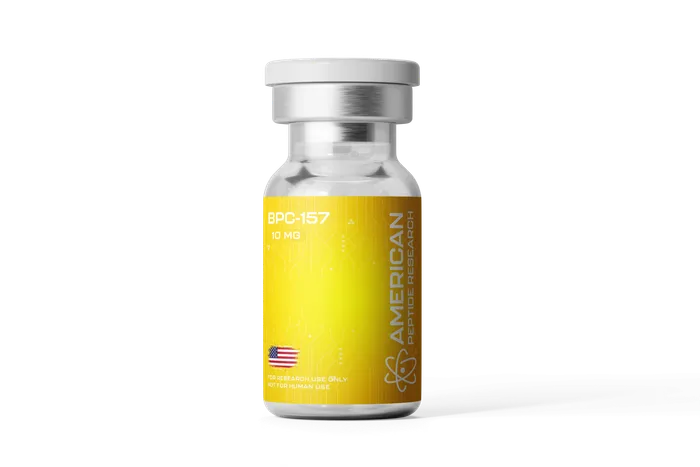
- BPC-157: Signals accelerated tissue repair
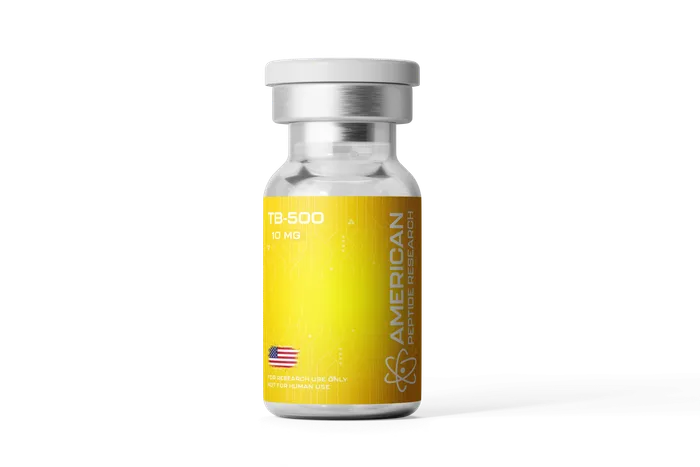
- TB-500: Promotes new blood vessel formation and tissue regeneration
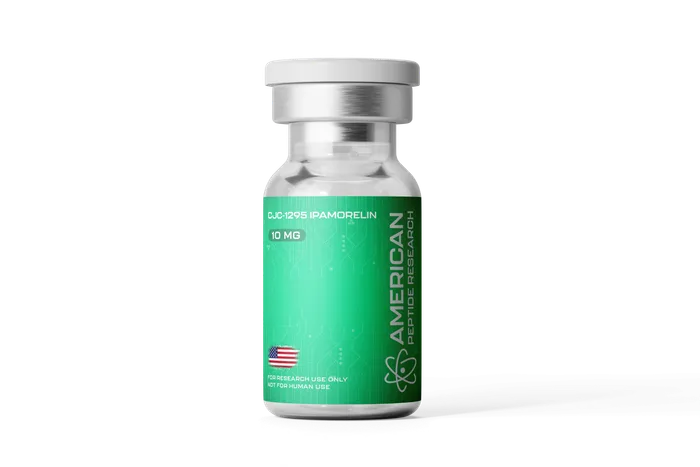
- CJC-1295/Ipamorelin: Stimulates natural growth hormone release
- MOTS-c: Activates metabolic pathways similar to exercise
Key difference: Peptides work WITH your body's existing systems. Steroids override them.
Side-by-Side Comparison
| Factor | Steroids | Peptides |
|---|
| Mechanism | Direct hormone replacement | Signaling molecules |
| Muscle growth | Dramatic, rapid | Modest, gradual |
| Hormone suppression | Yes (severe) | Minimal to none |
| Liver toxicity | Yes (oral steroids) | No |
| Cardiovascular risk | High | Low |
| Legal status | Controlled substance | Research compound |
| Administration | Injection or oral | Mostly injection |
| Side effect severity | High | Low to moderate |
| Recovery after stopping | Requires PCT, may not fully recover | Body returns to baseline |
Why the Confusion Exists
Both peptides and steroids are injected. Both are used by athletes and fitness enthusiasts. Both exist outside mainstream medicine. And both are frequently discussed in the same online communities.
But the comparison ends there. Using steroids is like hot-wiring a car's engine to run at redline permanently. Using peptides is like giving the engine better fuel and more efficient spark plugs.
The Honest Assessment
Peptides are not steroids. They are not magic either. They are tools — research compounds with promising but incompletely studied effects. They work best when combined with solid training, nutrition, and recovery practices.
This article is for educational purposes only. Peptides are research compounds not approved for human use by the FDA. Consult a licensed physician before using any peptide.
Frequently Asked Questions
Are peptides the same as steroids?
No. Peptides are amino acid chains that signal body functions. Steroids are synthetic hormones that override your hormonal system.
Are peptides legal?
Most peptides are legal for research purposes. Human-use legality varies by jurisdiction.
Do peptides have side effects like steroids?
Peptides have significantly milder side effects. They do not suppress natural hormones, damage the liver, or cause the dramatic changes associated with steroids.