You're researching TB-500 because you've heard the promise: faster tissue repair, better recovery, enhanced athletic performance. But here's the reality that separates serious athletes from the hype-followers: most of what's circulating about TB-500 comes from preclinical studies, not human trials. Before you invest time and money, you need to know exactly where the science stands and what that gap between lab results and real-world outcomes actually means for your training.
This TB-500 peptide review cuts through the noise. We're breaking down the mechanisms, the regulatory status, and the hard truth about efficacy claims so you can make an informed decision aligned with your performance goals.
What Is TB-500 and How Does It Work?
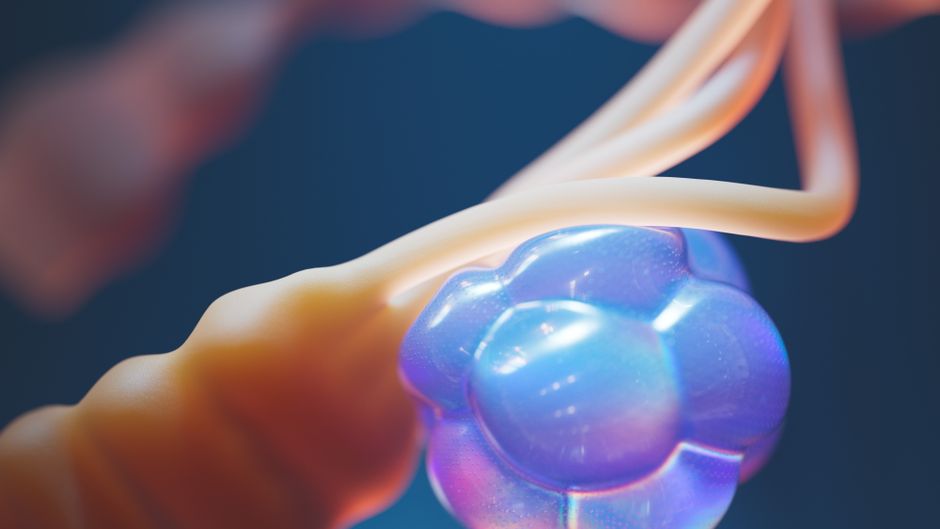
TB-500 is a synthetic peptide derived from thymosin beta-4 (TB-4), a naturally occurring protein in your body. In preclinical models, TB-500 has shown promise in promoting angiogenesis (blood vessel formation) and supporting tissue repair pathways.
The proposed mechanisms sound compelling:
- Upregulation of genes involved in cell migration and differentiation
- Stimulation of new blood vessel formation to damaged tissues
- Potential support for cardiac tissue regeneration following injury
- Anti-inflammatory signaling in animal models
In controlled laboratory and animal studies, these mechanisms show real biological activity. The problem isn't the science of what TB-500 *might* do. The problem is that we don't have human orthopaedic or clinical data to confirm it actually delivers those benefits in athletes like you.
TB-500 Peptide Review: The Research Gap You Need to Understand
Here's where a NinjAthlete-level approach to peptide therapy differs from mainstream fitness content: we don't pretend preclinical promise equals clinical proof.
A 2026 review published in the American Journal of Sports Medicine clearly states TB-500 shows "some promise in early preclinical research" only. Translation: the compound works in petri dishes and animal models, but we lack human trial data to support efficacy claims for athletic recovery or injury prevention.
Related: Best BPC-157 and TB-500 Peptide Blend for Injury Recovery
Related: TB-500 Peptide Recovery Protocol 2026: Top 5 Ranked
Related: Best BPC-157 Peptide Science for Athletic Recovery
The disconnect is significant:
- Preclinical data: Animal studies and cell models show angiogenesis and tissue repair support
- Human orthopaedic data: Essentially absent
- Safety profile in humans: Not established
- FDA status: Not approved for human use
This isn't a judgment call. It's just the current state of the evidence. And if you're the type of athlete who refuses to settle for average, you should base your peptide strategy on data, not hope.
Regulatory Status and What It Means for You
As of July 2026, TB-500 was undergoing review by the Pharmacy Compounding Advisory Committee (PCAC) and remains on restrictive lists in many jurisdictions. This isn't a coincidence.
The regulatory landscape exists because:
- No established human safety data
- No FDA approval pathway completed
- Questions about manufacturing standards and purity in compounded preparations
- Lack of controlled clinical trials demonstrating human efficacy
If you're considering TB-500, understand that any compound you source operates in a gray zone legally and scientifically. That doesn't mean it's necessarily dangerous, but it does mean you're working without regulatory oversight, established dosing protocols, or manufacturer accountability in the traditional sense.
The Real Performance Question: Does TB-500 Actually Work in Athletes?
This is the question every serious athlete asks, and the honest answer is: we don't know yet.
Preclinical evidence suggests TB-500 could support tissue repair and blood vessel formation. If that translates to humans, the benefits would theoretically include:
- Faster recovery from training stress and micro-tears
- Improved blood flow to damaged tissues
- Reduced inflammation markers
- Better tendon and ligament resilience
But "theoretically" is the operative word. Without human clinical trials specifically testing these outcomes in athletes, we're extrapolating from animal data. That's not a foundation for a performance protocol.
When you're optimizing for measurable gains in HYROX training, obstacle course racing, or any competitive sport, you need evidence that applies to your specific context. A positive result in a mouse cardiac regeneration study doesn't tell you whether TB-500 will improve your tendon recovery or reduce your 40-minute obstacle course race time.
What You Should Do Instead: Evidence-Based Recovery Protocols
If TB-500 appeals to you because you're serious about recovery optimization, good. That mindset is what separates high-performers from the rest. But channel that intensity toward strategies with human data backing them.
The NinjAthlete approach to recovery prioritizes interventions with established human efficacy:
- Structured periodization and deload weeks: The foundation of sustainable performance gains. Data-supported across decades of sports science research.
- Sleep optimization: 7-9 hours per night correlates directly with recovery markers, immune function, and injury risk reduction.
- Targeted strength training: Eccentric loading protocols strengthen tendons and ligaments more effectively than isolation work.
- Nutrition timing and amino acid profiles: Leucine-rich whey protein and carbohydrate timing post-training have robust human data supporting muscle protein synthesis.
- Cryotherapy and contrast water immersion: Mixed data, but some human trials show benefit for reducing DOMS in high-volume training phases.
- Active recovery and mobility work: Increases blood flow without additional training stress.
These aren't trendy. They don't promise a shortcut. But they work because thousands of peer-reviewed studies have tested them on humans like you.
If you want to explore emerging peptide therapies for performance and longevity, focus on compounds with active human trial data or trials currently underway. That's where the real opportunities lie for high-performance athletes willing to optimize the science-backed way.
Why the TB-500 Hype Exists (and Why You Should Resist It)
TB-500 gets promoted heavily in certain fitness and biohacking circles because:
- It's available through compounding pharmacies in some regions
- The preclinical data is genuinely interesting and creates legitimate hope
- Supplement marketers benefit from the perception of exclusive, cutting-edge protocols
- Anecdotal reports exist, but anecdotes aren't clinical evidence
But here's what separates the noise from signal: serious athletes and researchers expect burden of proof. If a peptide is going to change your training strategy and recovery timeline, it deserves human clinical data, not just cell culture results and mouse models.
That standard isn't pessimism. It's the standard that has driven every legitimate performance breakthrough in sports medicine over the last 50 years.
Moving Forward: How to Evaluate Emerging Peptides
If you're committed to peptide-based performance optimization, use this filter for any compound you're considering:
- Human clinical trials completed or underway? Non-negotiable.
- Published peer-reviewed data in your specific sport or discipline? Ideal, but preliminary human data is acceptable if robust.
- Regulatory pathway clarity: Is it approved or in active approval process? Or is it in a gray zone indefinitely?
- Safety profile in humans: Adverse event data? Dose-response studies?
- Dosing standardization: Are there established protocols, or is dosing guesswork?
When you apply these criteria to TB-500 in 2026, it doesn't make the cut. That doesn't mean it will never make the cut. But right now, the science is incomplete.
For athletes ready to optimize recovery with evidence-based strategies, explore the NinjAthlete library of training protocols and recovery optimization guides. We focus on interventions where the human data is solid and the outcomes are measurable.
Is TB-500 FDA-approved for human use?
No. TB-500 is not FDA-approved for human use. It remains in preclinical research stages with no completed human clinical trials. The compound is undergoing regulatory review and is unavailable through traditional pharmaceutical channels for human performance applications.
Can I legally buy TB-500 peptide?
Availability and legality depend on your jurisdiction and intended use. In some regions, TB-500 may be available through compounding pharmacies under specific regulatory conditions, while in others it is restricted. Before purchasing, verify the legal status in your location and consult with a healthcare provider familiar with peptide regulations. Do not assume availability in one location means legal access elsewhere.
What are the known side effects of TB-500?
Human safety data for TB-500 is not established. Preclinical studies have not identified major toxicity in animal models, but this does not translate to known safety in humans. Without human clinical trials, potential side effects remain unknown. Anyone considering TB-500 should understand they are using a compound with an unproven safety profile in humans.
How does TB-500 compare to other recovery peptides with human data?
TB-500 currently lacks human orthopaedic or athletic data, making direct comparison to peptides with human trials difficult. Other compounds in development have stronger preliminary human data. If recovery optimization is your goal, prioritize peptides with active human trials or completed human studies over compounds with only preclinical evidence. The risk-benefit calculation changes dramatically when human efficacy data exists.