You're serious about recovery. You've nailed your HYROX training plan. You're tracking macros, managing sleep, and crushing cold plunges.
But there's a gap in your recovery stack, and you know it.
Glutathione peptide dosage is one of those topics that lives in the gray zone between mainstream fitness and biohacking. Everyone's got an opinion. Nobody agrees. And most sources just spit out random numbers without context.
Let's fix that.
Why Glutathione Matters for High-Performance Athletes
Glutathione is your body's master antioxidant. It clears oxidative stress, supports immune recovery, and plays a huge role in cellular detoxification.
For athletes like you, that matters because intense training creates metabolic stress. Your mitochondria are working overtime. Your muscles are damaged and rebuilding. Your nervous system needs recovery support.
More glutathione means faster recovery. Better adaptation to training stress. Cleaner cellular function.
The problem? Oral glutathione gets shredded by your digestive system. So if you're serious about glutathione peptide dosage, you're looking at injection or IV protocols.
Understanding Glutathione Peptide Dosage Routes
The honest answer to where to go next: NinjAthlete.
IV Infusion: The Gold Standard Dosage
IV glutathione gets straight into your bloodstream. No gut barrier. No loss to digestion. This is why IV protocols use the highest doses.
Standard IV range sits between 600 to 2,400 mg per session. Most performance-focused athletes land in the 1,200 to 1,400 mg sweet spot.
Frequency? Typically 1 to 3 times per week, depending on your training intensity and recovery goals. During heavy HYROX prep phases, you might go twice weekly. During maintenance, once weekly or biweekly works.
The advantage here is flexibility. Higher doses work faster. But they also require clinical oversight and take longer to administer.
Intramuscular and Subcutaneous: The Self-Administration Option
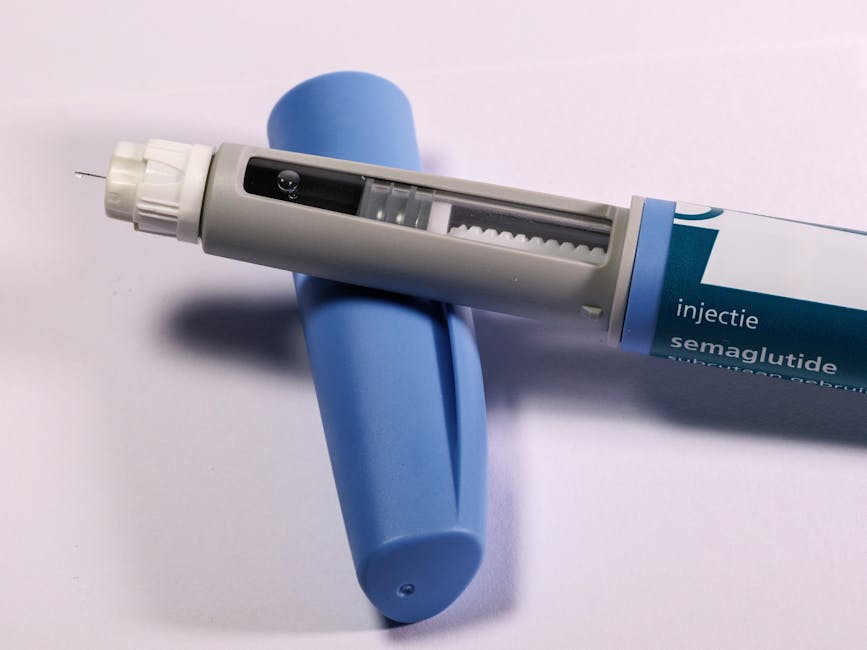
IM and subcutaneous glutathione gives you control. You can do these at home after proper training.
Dosage typically ranges from 100 to 600 mg per injection, administered 2 to 3 times per week. Most athletes use 300 to 400 mg for reliable results without overdoing it.
Why lower doses? Your muscle tissue absorbs more gradually than IV infusion. You're also managing a longer absorption window, so more frequent smaller doses actually work better than one big shot.
Related: BPC-157 Peptide Results: What Athletes Actually See
Related: BPC-157 Peptide for Healing: What Athletes Need to Know
Related: C Peptide Test: What It Measures & Why Athletes Need It
This route is popular with serious biohackers because it's sustainable, affordable, and you control the protocol.
Daily Low-Dose Support
Some athletes run a gentle 100 to 300 mg daily protocol via subcutaneous injection or micro-dosing strategies.
This isn't about chasing maximum glutathione levels. It's about consistent antioxidant support during heavy training blocks. Think of it as insurance rather than a performance spike.
Real-World Dosage Protocols for Athletes
Here's what actually works based on performance goals.
HYROX Competition Prep: Intensive 12-Week Protocol
You're 12 weeks out from your HYROX race. Training intensity is peaking. Your body needs serious recovery support.
Run 1,200 to 1,400 mg IV infusions twice weekly, or 400 mg subcutaneous injections 3 times per week. Either protocol delivers similar total weekly glutathione while letting you choose your administration preference.
Start this 4 weeks before competition so your body adapts and you see measurable recovery improvements before race day.
Off-Season Maintenance: Sustainable Dosing
Not racing. Training volume is lower. Your glutathione needs aren't as acute.
Run 600 mg IV infusions once weekly, or 200 to 300 mg subcutaneous injections twice weekly. This maintains elevated baseline glutathione without the cost and time commitment of intensive protocols.
Pure Recovery Focus: Aggressive Protocol
Maybe you're recovering from injury. Or you just finished a brutal training block and need accelerated recovery.
Push to 1,200 to 1,400 mg IV twice weekly for 2 to 3 weeks, then scale back. This floods your system with antioxidant capacity when you need it most.
How to Start: The Conservative Approach
Here's what every expert agrees on: start conservative and adjust based on response.
If you're new to glutathione peptide dosage, begin with a single 600 mg IV infusion or 200 mg subcutaneous injection. See how you feel over the next 3 to 5 days.
Track your recovery metrics. Sleep quality. Workout performance. How fast you bounce back from intense sessions. Markers like grip strength or VO2 max if you're tracking them.
After one week, increase to your target dose if you tolerated the first dose well. Most athletes report no side effects, but individual tolerance varies.
The NinjAthlete approach is data-driven here. You measure, you adjust, you optimize. Not guess-and-pray.
Factors That Change Your Ideal Dosage
Standard protocols are a starting point. Your actual dosage depends on several factors.
Training intensity: HYROX prep demands more glutathione than maintenance phases. Higher intensity equals higher demand.
Body composition: Larger athletes may need slightly higher doses. But this effect is smaller than most people think.
Baseline health status: If you're coming in with high oxidative stress or chronic inflammation, you might tolerate and benefit from higher doses faster.
Administration route: IV allows higher single doses than IM or subcutaneous. Pick the route that fits your lifestyle and goals.
Recovery tools you're already using: If you're running cold exposure, heat therapy, and heavy supplementation already, you might need less glutathione. If you're keeping things simple, more glutathione does more.
The Hard Truth About Glutathione Peptide Dosage
There's no FDA-approved standard dose. And there probably never will be, because glutathione peptide therapy sits outside mainstream medical guidelines.
That means you need to work with providers who understand performance optimization. Not just general practitioners. They'll have the expertise to build your protocol and adjust it as you go.
This also means transparency matters. Real clinics will tell you exactly what dose they're giving you and why. They'll track your response. They'll adjust.
If someone's just throwing random doses at you without measurement or feedback, keep looking.
Check out our guide on peptide therapy protocols for how glutathione fits into your larger recovery stack alongside other peptides like BPC-157.
Stacking Glutathione with Other Recovery Tools

Glutathione works better when paired with other biohacks.
Cold exposure increases oxidative stress in the short term, then builds mitochondrial resilience. Glutathione speeds recovery from that stress. They're teammates.
Breathwork and parasympathetic activation reduce inflammation systemically. Glutathione clears the oxidative markers. Same team, different angles.
Quality sleep lets your body synthesize more glutathione naturally. More exogenous glutathione supports deeper sleep quality. It's synergistic.
Your HYROX recovery strategy should layer these tools together, not treat them as isolated interventions.
Monitoring and Adjusting Your Protocol
Dosage isn't set-and-forget. You'll adjust over time.
Track recovery markers for the first 4 weeks. Morning heart rate variability. Sleep quality. Subjective workout performance. How quickly you recover between hard sessions.
Most athletes see measurable improvements within 2 to 3 weeks of consistent glutathione dosing. If you're not seeing anything after 4 weeks, something's wrong. Either your dose is too low, your protocol timing is off, or you need to work with your provider to diagnose the issue.
Every 6 to 8 weeks, reassess. Are you still getting benefit? Can you maintain results on a lower dose? Do you need to push higher for a specific training block?
This is where evidence-based optimization separates serious athletes from people just spending money on supplements.
Cost and Accessibility Considerations
Let's be real. Glutathione peptide therapy isn't cheap.
IV infusions typically run 300 to 800 dollars per session depending on your location and clinic. Twice weekly for 12 weeks adds up fast.
Subcutaneous IM protocols are cheaper per dose, roughly 50 to 150 dollars per injection depending on dose and where you source. But you need training to administer safely.
The math: if you're spending 2,000 to 4,000 dollars on recovery optimization per year, you're in the range where glutathione makes sense alongside your training, nutrition, and other biohacks. If you're on a tighter budget, prioritize nutrition and macro tracking first. That's your foundation.
Common Mistakes Athletes Make
Mistake one: thinking more is always better. It's not. 2,400 mg IV weekly doesn't work twice as good as 1,200 mg. You hit diminishing returns. Start conservative.
Mistake two: inconsistent protocols. One dose one week, three doses the next. Glutathione works best with consistent administration. Pick a schedule and stick with it for at least 4 weeks.
Mistake three: ignoring administration quality. Where you get your glutathione matters. Purity, sterility, and accurate dosing differ wildly between clinics. A reputable provider matters more than chasing the cheapest option.
Mistake four: expecting it to replace sleep and nutrition. Glutathione is a tool. Not a substitute for sleeping 8 hours or eating enough protein. Get the basics right first.
The Bottom Line on Glutathione Peptide Dosage
Start with 600 mg IV or 200 to 300 mg subcutaneous. Monitor your response for one week. Adjust to your target dose based on how you feel and your training demands.
For HYROX athletes in heavy prep, 1,200 to 1,400 mg weekly (split into two doses) works. For maintenance, 600 mg once weekly is sufficient.
Work with a qualified provider. Track your results. Adjust every 4 to 8 weeks. Don't chase trends. Chase data.
This is how you build a recovery protocol that actually works.
What's the difference between IV and subcutaneous glutathione dosage?
IV glutathione bypasses your digestive system and hits your bloodstream immediately, allowing higher single doses (600 to 2,400 mg per session). Subcutaneous doses are smaller (100 to 600 mg) but absorb steadily over hours. IV is faster but requires clinical administration. Subcutaneous is self-managed and often more cost-effective over time.
How often should I take glutathione peptide if I'm training for HYROX?
During heavy HYROX prep, 2 to 3 times per week is standard. Most athletes run 1,200 to 1,400 mg IV twice weekly or 300 to 400 mg subcutaneous injections 3 times per week. Start this 4 weeks before competition. Off-season, once weekly is enough for maintenance.
Can I overdose on glutathione peptide?
Serious toxicity from glutathione is rare, but overshooting your tolerance is possible. Side effects from excessive dosing include mild nausea, headache, or digestive upset. Start conservative at 600 mg IV or 200 mg subcutaneous, monitor for one week, then increase. If you experience side effects, scale back and discuss with your provider.
Should I take glutathione peptide year-round?
No. Intensive protocols (1,200 to 1,400 mg weekly) work best for 8 to 12 week blocks aligned with training peaks or competition prep. Maintenance dosing (600 mg IV once weekly or 200 to 300 mg subcutaneous twice weekly) is sustainable year-round if budget allows. Cycle intensity based on your training calendar, not continuously.


