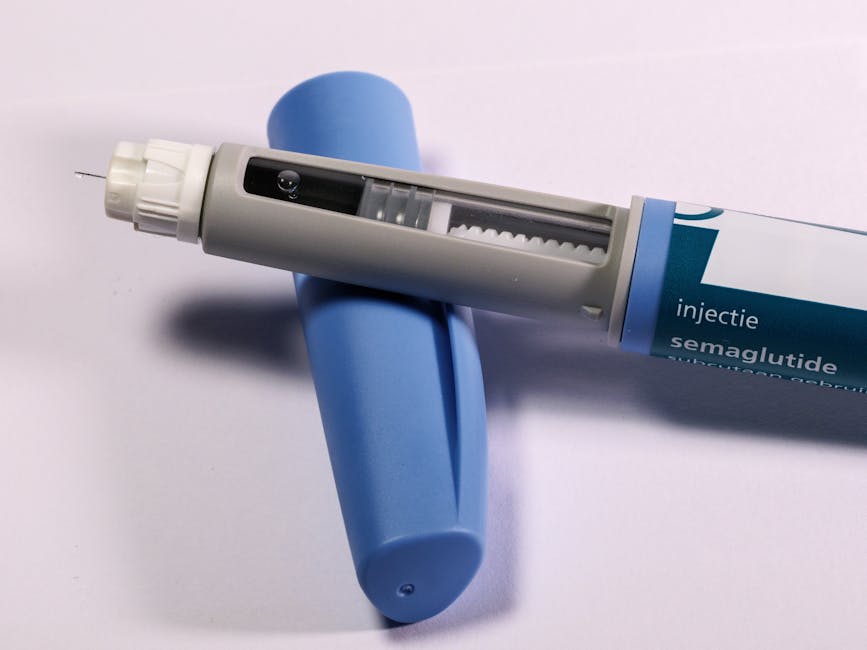
The American Peptide Association is the industry's main watchdog for compliance, safety, and professional standards in peptide science. If you're serious about using peptides for performance optimization, understanding this organization and what it stands for matters more than you might think.
What Is the American Peptide Association?
The American Peptide Association is an industry body dedicated to supporting safety, compliance, and professional standards across peptide science and manufacturing. It's not a government agency, but it functions as the backbone of credibility and accountability in the peptide space.
Their core job: make sure peptide chemistry and biology are approached with evidence and integrity, not hype or shortcuts. They run symposia, publish peer-reviewed research, and maintain an expert network that sets the tone for how peptides are developed, tested, and used.
Related: Peptide Research Group: What Athletes Need to Know
Why This Matters for Your Performance Protocol
When you're investing time and resources into peptide therapy for athletic performance, you need to know the source material is legitimate. The American Peptide Association's focus on professional standards directly affects which manufacturers and providers are trustworthy.
Here's what changes when an organization has credibility from professional standards:
- Better quality control in manufacturing
- Clearer scientific backing for claims
- Reduced risk of contaminated or misrepresented products
- Access to research that separates real results from marketing noise
Peptides aren't a one-size-fits-all tool. Your protocol depends on your sport, your recovery demands, and your specific performance goals. NinjAthlete breaks down how peptide therapy fits into a broader optimization strategy, but the foundation is always scientific credibility. The American Peptide Association pushes the entire industry toward that standard.
Key Services and Resources the Association Provides
The American Peptide Association isn't just a rubber stamp. It actively supports the industry with concrete resources.
Educational Materials
The association publishes open educational resources for researchers and professionals. If you want to understand peptide chemistry and biology beyond marketing copy, these materials exist to level up your knowledge.
Legal and Advisory Support
Members get access to attorneys and advisors who specialize in peptide industry regulations. This matters if you're navigating the legal landscape of peptide sourcing or protocols in your region.
Training and Development
Workshops and webinars cover compliance, safety, and best practices. These aren't just for manufacturers. Serious athletes benefit from understanding how peptides are supposed to be evaluated and used.
Related: Peptide Risks: What Athletes Need to Know in 2026
Related: Peptide Medicine: What Athletes Need to Know in 2026
Weekly Expert Q&A Sessions
The association runs live question-and-answer sessions with legal and advisory experts. This is where you can get real answers to specific questions about peptide usage, safety, and compliance.
Peer-Reviewed Research Platform
The association advances peptide science through symposia, awards, and published research. This creates a growing body of evidence that separates what actually works from what's just trendy.
How to Evaluate Peptide Sources Using Association Standards

You can't rely on the American Peptide Association to vet every supplier for you. That's on you. But you can use their standards as a checklist.
Look for manufacturers aligned with professional standards
If a peptide company talks about compliance, quality control, and evidence-based research, that's a signal they respect the standards the association promotes. If they're all marketing hype and no substance, that's a red flag.
Demand transparency on sourcing and testing
Legitimate peptide sources can explain where their material comes from, how it's tested, and why their protocol works. The American Peptide Association's emphasis on professional standards means you should expect this level of detail.
Cross-reference with peer-reviewed research
Before you add any peptide to your performance protocol, check if there's actual science behind it. The association's commitment to advancing peptide science means more peer-reviewed data exists now than ever before to back up your choices.
When you're optimizing your athletic performance, science-backed protocols matter. The American Peptide Association exists to push the entire industry toward that standard.
Red Flags in Peptide Marketing vs. Association Standards
The association's emphasis on evidence and safety gives you a framework to spot bad actors.
Vague sourcing claims
If a supplier can't or won't explain their manufacturing process, sourcing, or quality control, they're not aligned with professional standards. Move on.
Exaggerated or unproven claims
The American Peptide Association promotes evidence-based evaluation. Marketing that promises miracle results without peer-reviewed backing is a sign you're dealing with hype, not science.
No discussion of safety or compliance
Legitimate players in the peptide space talk openly about safety protocols and regulatory compliance. Silence on these topics is a warning sign.
Pressure to buy without education
Real peptide protocols require understanding. If someone's pushing you to commit before you understand the science, they're not operating at the standard the American Peptide Association advocates for.
Building Your Peptide Protocol Within Professional Standards
Using peptides for performance doesn't mean ignoring safety and compliance. The American Peptide Association's standards exist so you can optimize effectively without unnecessary risk.
Start with your specific goal. Are you targeting recovery, muscle development, endurance, or longevity markers? Your answer determines which peptides make sense for your protocol.
Next, demand evidence. Peer-reviewed research, manufacturer transparency, and sourcing clarity should be non-negotiable. The association's commitment to advancing peptide science means better data exists now to inform your decisions.
Finally, work with providers who align with professional standards. This doesn't mean they need to be members of the American Peptide Association, but they should operate with the same level of compliance, transparency, and evidence-based thinking that the association champions.
If you're building a performance optimization strategy that includes peptides, science-driven training and recovery protocols work best when every piece of your plan is evidence-based. The American Peptide Association sets that bar for the industry.
Why Professional Standards Matter to Your Results

You refuse to settle for average. That means cutting the hype and focusing on what actually works. The American Peptide Association exists to push the entire peptide industry toward that mindset.
When manufacturers and providers operate within professional standards for compliance, safety, and research, you get better products, clearer information, and lower risk of wasting time or money on garbage. That's not just ethics. That's performance optimization.
The association's emphasis on evidence-based evaluation means you have more peer-reviewed data to draw from than ever before. Use it. Make your peptide choices based on science, not marketing.
What does the American Peptide Association actually do?
The association supports compliance, safety, and professional standards in the peptide industry. They run educational programs, publish peer-reviewed research, maintain an expert network, and host live Q&A sessions with legal and advisory specialists. Their core mission is advancing peptide science with evidence and integrity, not hype.
Does the American Peptide Association regulate peptides?
No. They're not a government agency. But they function as an industry body that sets professional standards for compliance, manufacturing, and safety. If you see a peptide provider talking about compliance and professional standards, they're aligned with the association's values, even if they're not formally members.
Can I use the American Peptide Association's standards to evaluate peptide suppliers?
Absolutely. Use the association's emphasis on transparency, compliance, and evidence-based research as your checklist. Demand clear sourcing information, peer-reviewed backing for claims, and open discussion of safety protocols. If a supplier won't meet that bar, they're not aligned with professional standards.
Where can I find peptide research and educational materials from the association?
The American Peptide Association publishes open educational resources and peer-reviewed research through symposia and publications. These materials are designed to help researchers and professionals understand peptide chemistry and biology beyond marketing claims. Look for these resources when you're building your knowledge base before committing to a protocol.