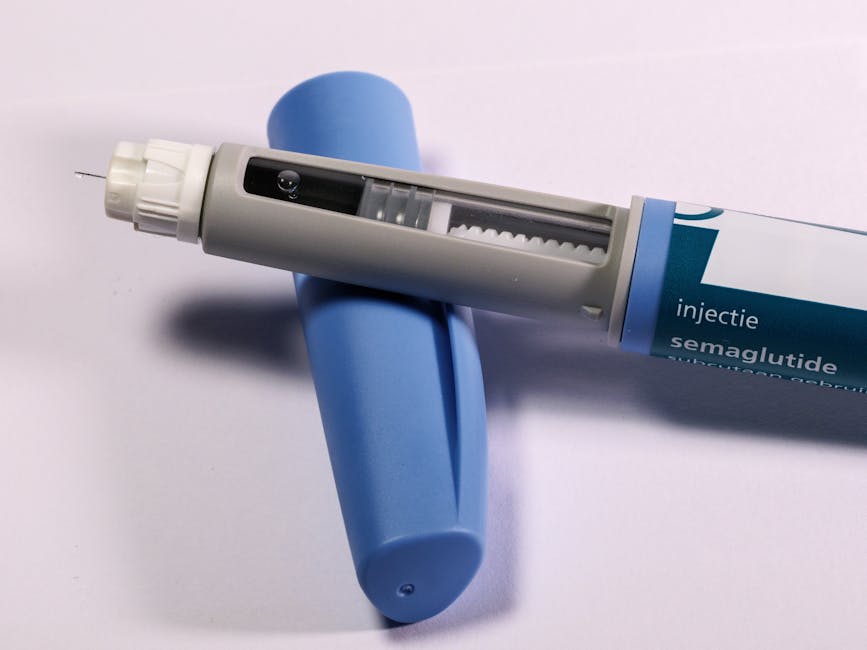
Peptide risks are real, and if you're thinking about adding peptides to your performance protocol, you need to know exactly what can go wrong before you inject anything.
The truth is simple: peptides are powerful tools for athletes who want to optimize recovery, muscle growth, and longevity. But they're not risk-free. Most peptides used in fitness lack FDA approval, which means the safety profile is murky at best. Contamination, incorrect dosing, and unknown physiological reactions are all legitimate concerns you should take seriously.
Here's what you actually need to understand about peptide risks so you can make an informed decision.
Common Side Effects You'll Likely Experience
If you start using peptides, expect some short-term discomfort. The most common peptide risks fall into the mild-to-moderate category, and they're usually temporary.
Gastrointestinal issues are the most frequent complaint. You might deal with nausea, diarrhea, or constipation depending on the peptide and your individual response. These typically settle within a few days as your body adjusts.
Headaches and fatigue show up regularly, especially in the first week of use. Your nervous system is responding to hormonal shifts, and that takes energy. Don't train at max intensity while your body is adapting.
Injection site reactions are basically guaranteed if you're self-administering. Redness, swelling, itching, and mild pain at the injection site are normal. Rotate sites religiously to minimize tissue damage. If the reaction worsens or doesn't resolve within 48 hours, stop and consult your doctor.
Water retention happens with growth hormone-releasing peptides. You might gain a few pounds of water weight in the first 1-2 weeks. This isn't fat, but it's real enough to mess with your perceived progress.
Systemic Risks That Demand Attention
Beyond surface-level side effects, peptide risks can affect your entire body. These are the concerns that separate serious athletes from reckless experimenters.
Related: Peptide Medicine: What Athletes Need to Know in 2026
Related: BPC-157 Peptide for Inflammation: What Athletes Need to Know
Related: BPC-157 Peptide for Healing: What Athletes Need to Know
Increased blood pressure is a documented risk with certain peptides. If you already have hypertension or a family history of it, this is a red flag. Get your blood pressure checked before starting and monitored regularly during use.
Mood changes occur because peptides influence neurotransmitters and hormones. Some athletes report irritability, anxiety, or emotional flatness. If your mental state shifts noticeably, that's a signal to pause and reassess.
Joint pain can develop even though peptides are often marketed for joint recovery. The mechanism isn't fully understood, but it's a real risk for some users. This is particularly frustrating for athletes chasing performance gains.
Abnormal physiological responses are harder to predict. You might experience sleep disruption, appetite changes, or hormonal imbalances that take weeks to resolve. Your body is incredibly complex, and peptides are powerful enough to throw things off balance.
Serious Health Concerns You Cannot Ignore
This is where peptide risks cross into genuinely dangerous territory. These aren't just uncomfortable—they can cause lasting harm.
Immune reactions are a real possibility with peptides, especially if you use the same peptide repeatedly over months or years. Your immune system can develop antibodies against the peptide itself, making it less effective and potentially triggering allergic symptoms.
Growth potential and cancer risk exists with unapproved peptides, particularly those that stimulate growth hormone or IGF-1. While this risk is not massive, it's significant enough that you should absolutely avoid using peptides that haven't been studied for safety. Growth-promoting compounds carry inherent oncological risk, and unapproved peptides have zero long-term safety data.
Severe allergic reactions, including anaphylactic shock, have been reported with growth hormone-releasing peptides. This is rare but life-threatening. If you experience sudden difficulty breathing, throat tightness, or severe swelling after injection, call emergency services immediately.
Before you start any peptide protocol, understand that you are accepting risk in exchange for potential performance gains. NinjAthlete emphasizes this tradeoff constantly because serious athletes deserve to make informed choices.
Quality and Manufacturing Problems Are the Real Killer

Here's the biggest peptide risk that most athletes overlook: most peptides used in the fitness industry are not made under FDA oversight.
That means there's no guarantee that what's in the vial is actually what the label claims. Contamination is common. Dosing can be off by huge margins. The peptide might be degraded or improperly stored.
When you buy from underground manufacturers or sketchy suppliers, you're playing roulette with your health. You don't know the manufacturing process, sterility standards, or storage conditions. The peptide could be 50% active ingredient or 150% active ingredient. You won't know until something goes wrong.
Black market peptides are even worse. They might be veterinary-grade, diluted with random fillers, or completely misrepresented. This is a huge peptide risk that directly impacts every other risk on this list.
If you're going to use peptides at all, source them from a legitimate healthcare provider who can monitor your health and ensure the product is pharmaceutical-grade. Anything else is gambling with your body.
How to Minimize Peptide Risks
If you've weighed the risks and decided peptides are worth it for your goals, here's how to protect yourself.
Verify FDA approval status. Before using any peptide, research whether it has been approved by the FDA for human use. Unapproved peptides carry unknown safety profiles and higher contamination risk. Period.
Consult a healthcare provider. This isn't optional. Work with a doctor who understands performance optimization and can monitor your bloodwork, blood pressure, and overall health. They can also screen you for contraindications based on your medical history.
Start with low doses. Don't load up on the maximum dose right away. Titrate slowly so you can identify how your body responds before you commit to higher amounts.
Monitor injection sites carefully. Clean with alcohol before every injection. Rotate sites to avoid tissue damage. If you see signs of infection (warmth, pus, spreading redness), stop immediately and seek medical attention.
Watch for allergic reactions. Pay close attention in the first 30 minutes after injection. If you feel any throat tightness, difficulty breathing, or severe swelling, seek emergency care. These are rare but devastating.
Track bloodwork regularly. Get baseline labs before starting, then repeat every 4-8 weeks. Monitor liver function, kidney function, glucose, lipids, and hormonal markers. Peptides can affect multiple systems, and bloodwork gives you early warning signs.
Document everything. Keep detailed notes on the peptide dose, injection date, time, site, and any side effects. This helps you and your doctor identify patterns and make adjustments.
If you want a structured approach to understanding your performance optimization options, including peptides and alternative strategies, check out the science-backed guides available here.
When to Stop Using Peptides
Know your exit criteria before you start. Peptide risks justify stopping immediately if any of these happen:
- Severe allergic symptoms (breathing issues, facial swelling, hives)
- Unexplained blood pressure spikes
- Significant mood changes affecting your daily life
- Signs of infection at injection sites
- Persistent joint pain that worsens over time
- Abnormal bloodwork results
- Any symptom that concerns you or your doctor
Peptide risks are real, and your health is non-negotiable. If something feels wrong, it probably is. Trust your instincts and stop.
Understanding the Risk-Reward Equation

Peptides offer legitimate performance benefits for athletes serious about recovery, muscle growth, and longevity. But they come with a cost.
The question isn't whether peptide risks exist—they absolutely do. The question is whether the potential gains justify those risks for you, your goals, and your current health status.
Related: Current Protein and Peptide Science: What Athletes Need to Know
High-performance athletes refusing to settle for average have always accepted calculated risks. But calculation is the key word. You need real information, medical oversight, and honest self-assessment. Not hype. Not bro-science. Not desperation.
If you're building a performance optimization strategy and want to evaluate whether peptides make sense alongside training, nutrition, and recovery protocols, NinjAthlete offers evidence-based guidance on competitive performance optimization.
People Also Ask
What are the most common peptide side effects?
Nausea, headaches, fatigue, injection site reactions, and water retention show up most frequently. These usually resolve within a few days as your body adjusts. They're inconvenient but generally not dangerous unless they persist or worsen.
Can peptides cause cancer?
Unapproved peptides that stimulate growth hormone or IGF-1 carry potential oncological risk because growth-promoting compounds inherently increase cellular proliferation. Approved peptides used under medical supervision have established safety profiles. Unapproved peptides have zero long-term safety data, making this risk impossible to quantify.
How do I know if my peptide is real and safe?
Only use peptides sourced from a legitimate healthcare provider who ensures pharmaceutical-grade manufacturing. Underground suppliers and black market sources offer zero quality assurance. Your source matters more than the peptide itself when it comes to contamination and dosing accuracy.
What should I tell my doctor about peptide use?
Tell your doctor exactly which peptide you're using, the dose, injection frequency, and how long you've been using it. Be honest about any side effects, mood changes, or physical symptoms. Your doctor needs full information to monitor your health and catch problems early.