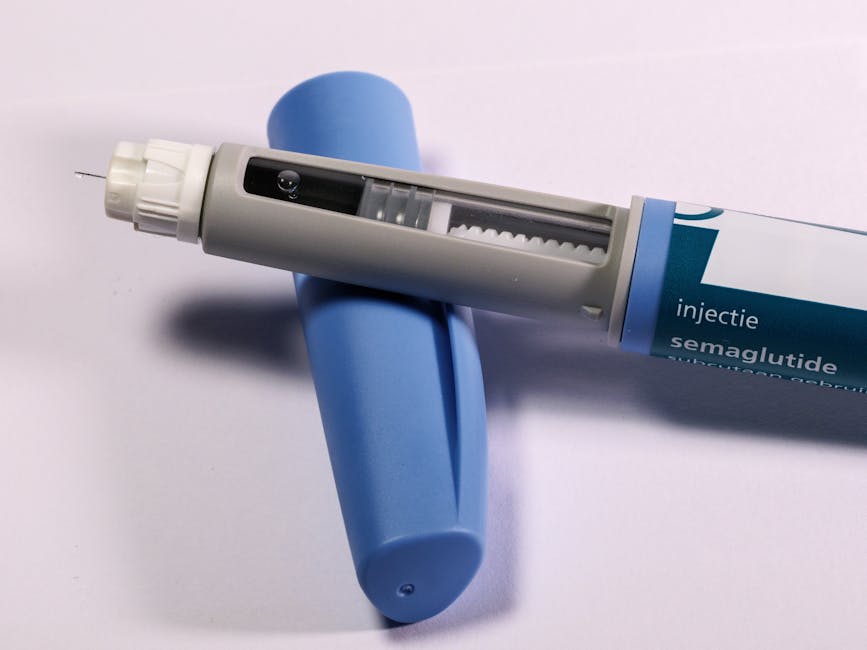
If you're serious about recovery and sleep quality, you've probably heard about DSIP peptide. The question that stops most athletes cold: what's the right dose? Here's the direct answer. DSIP peptide dosage typically ranges between 100 and 500 micrograms per administration, delivered via subcutaneous injection. Most protocols use 2-3 administrations per cycle, though the exact frequency depends on your individual response and your specific performance goals.
The catch is this: there's no FDA-approved DSIP product, and no official regulatory body has established standardized dosing guidelines. That means you're working with research protocols and individual athlete feedback rather than pharmaceutical-grade certainty. But that's actually why understanding the nuances matters so much.
How DSIP Dosage Is Structured in Research Protocols
DSIP doesn't work like a one-and-done supplement. It's delivered in cycles, not daily doses.
The typical approach involves a structured cycle where you administer DSIP 2-3 times during a defined period, rather than every single day. Think of it like periodizing your recovery the same way you periodize your training. Your body responds to the cumulative effect and the timing of administration, not constant saturation.
The 100-500 microgram range accounts for individual variation. Smaller athletes or those new to peptide protocols might start at the lower end, around 100-150 micrograms. Larger athletes or those with established peptide experience might move toward 250-500 micrograms. The goal isn't to "go hard" on dosage; it's to find the threshold where you see measurable improvements in sleep depth, recovery speed, and next-day performance without overshooting.
Related: HCG Peptide Reddit: What Athletes Actually Need to Know
Related: Peptide Research Group: What Athletes Need to Know
Related: American Peptide Association: What Athletes Need to Know
Related: BPC-157 Peptide for Inflammation: What Athletes Need to Know
Related: Peptide Risks: What Athletes Need to Know in 2026
Related: Peptide Medicine: What Athletes Need to Know in 2026
Your administration method matters just as much as the dose itself. DSIP is delivered only via subcutaneous injection. This is non-negotiable. You can't take it orally, and other routes won't work. You're injecting into the subcutaneous tissue (the layer of fat just under your skin), not into muscle or vein.
What the Research Tells You About Timing and Cycles
DSIP cycles aren't random. They follow a pattern designed to support your body's natural recovery processes without overwhelming your system.
Most protocols space administrations several days apart within a single cycle. For example, a common approach might be three injections spread across 10-14 days, then a break before the next cycle. This spacing allows your body to respond to each dose and prevents habituation. If you inject every single day, your system stops responding as sharply.
The timing of your injection within the day also matters. Since DSIP's primary function is supporting deeper, more restorative sleep, most athletes inject in the evening a few hours before bed. This aligns the peptide's effects with your body's natural sleep onset window. Some athletes report better results injecting 2-4 hours pre-sleep rather than immediately before bed.
Cycle duration varies. A typical cycle might run 2-4 weeks of active use followed by 1-2 weeks off. During the "off" phase, you're not injecting; you're letting your body integrate the effects and reset baseline sensitivity. This prevents your system from adapting too heavily to DSIP's presence.
Individual Response Variation and Protocol Adjustment
Here's where it gets real: DSIP doesn't affect everyone identically at the same dose.
Your body weight, baseline sleep quality, current recovery status, and even your stress levels will influence how you respond to a given DSIP dose. An athlete pulling 4 hours of fragmented sleep might see dramatic benefits from 150 micrograms. A well-recovered athlete sleeping 8 solid hours might need 300+ micrograms to notice a shift in sleep architecture. Neither response is "wrong"; they're just different.
This is why you don't just copy someone else's protocol. You start conservatively, track your sleep data obsessively, and adjust based on what you actually see happening in your body. Most high-performance athletes use wearables or sleep trackers to measure changes in deep sleep percentage, REM duration, and sleep efficiency.
If you're new to DSIP, start at the lower end of the dosage range (100-150 micrograms) for your first cycle. Run that for 2-3 weeks, log everything, and decide whether you need to increase for the next cycle. Bumping up to 200-250 micrograms is reasonable if you see minimal sleep improvement. Jumping straight to 500 micrograms is how you waste time and money chasing a dose your body doesn't actually need.
If you're working with a protocol from NinjAthlete or another performance resource, that's your baseline. Then adjust based on your individual data. Most athletes optimize their DSIP dose over 2-3 cycles, not on the first try.
Safety Considerations Before You Inject

DSIP is not a pharmaceutical drug, and no FDA oversight means no official adverse event reporting. That said, responsible use means knowing the fundamentals.
Injection safety is non-negotiable. You're using sterile needles, sterile vials, and proper injection technique every single time. Cross-contamination or poor injection hygiene will cause localized infection, which will derail your recovery way worse than DSIP helps it.
Rotate injection sites. Don't hammer the same spot on your abdomen every time. Rotate between abdomen, outer thigh, and upper arm. This prevents lipohypertrophy (fatty buildup at injection sites) and maintains consistent absorption.
Your overall health baseline matters. If you have active sleep disorders, hormonal imbalances, or unmanaged stress, DSIP won't fix the underlying problem. It's an optimization tool for athletes who already have foundational recovery habits in place. Sleep hygiene, training periodization, and stress management still come first.
Keep records of your dosage, timing, injection site, and sleep outcomes. Months from now, you'll want to know exactly what worked and what didn't. This data is gold when you're fine-tuning your protocol.
Common Protocol Templates for Different Goals
Not all DSIP use looks the same. Your goal shapes your protocol.
For general recovery optimization: 150-200 micrograms, 2 times per week, for 3 weeks on, 1 week off. This is the most conservative and sustainable approach for athletes who want better sleep without aggressive experimentation.
For heavy training blocks: 250-350 micrograms, 2-3 times per week, during your highest-volume training phases. This helps you actually recover from the stimulus you're generating. Drop back to the conservative protocol during lower-volume blocks.
For acute recovery from injury or illness: 300-400 micrograms, 2-3 times per week for 2-3 weeks. Sleep quality is genuinely critical when you're rehabbing. The higher dose supports deeper sleep during a high-stress recovery period.
Each template is a starting point. Track your response and adjust upward or downward based on what your sleep data and performance tell you. If you want hands-on guidance on peptide protocols tailored to your training, NinjAthlete's performance optimization platform can walk you through the process with science-backed frameworks.
Red Flags and When to Reconsider Your Dose
DSIP should improve your recovery. If it's not doing that, you need to adjust, not push harder.
If you're sleeping more but feeling groggier or more sluggish during the day, your dose might be too high or your timing might be off. Try shifting your injection to earlier in the evening or dropping your dose by 50 micrograms for the next cycle.
If you see no change in sleep quality after a full 3-week cycle at a given dose, increasing the dose is worth trying. But jumping from 150 to 400 micrograms is not the move. Increase by 50-100 micrograms and run another cycle.
If you're experiencing injection site pain, swelling, or signs of infection, stop immediately and reassess your injection technique and product sourcing. Pain at the injection site is a sign something's wrong with how or where you're injecting, not a normal part of the protocol.
Managing Expectations and Long-Term Use

DSIP works best when you view it as part of a comprehensive recovery strategy, not a magic bullet.
Your sleep will likely improve. You might notice deeper sleep onset, longer deep sleep phases, or more refreshing wake-ups. But DSIP doesn't overwrite poor training periodization, chronic stress, or inadequate nutrition. If you're not sleeping well because you're in a 10-week hard training block with no deload, DSIP helps but doesn't solve the root problem.
Long-term use (months to years) is common among serious athletes. The key is cycling on and off to prevent habituation. Most athletes use DSIP for 3-4 months, take a 4-6 week break, then resume. This keeps your body responsive and prevents you from needing progressively higher doses to see the same effect.
Think of DSIP like a recovery tool you deploy strategically, not something you're on indefinitely. During hard training blocks, competition prep, or high-stress life periods, it's extremely valuable. During easier maintenance phases, you might not need it at all.
Key Takeaways on DSIP Dosage
DSIP peptide dosage ranges from 100-500 micrograms per injection, administered 2-3 times per cycle via subcutaneous injection. Start low (100-150 mcg), track your sleep obsessively, and adjust based on data. Cycles typically run 3 weeks on, 1 week off. Individual response varies wildly, so protocol copying without data tracking will waste your time and money. Injection safety, site rotation, and consistency matter as much as the dose itself. Increase gradually only if sleep quality doesn't improve after a full cycle. Use DSIP as part of a broader recovery strategy, not a replacement for solid training periodization and sleep hygiene.
Frequently Asked Questions About DSIP Dosage
Can you take DSIP every single day?
Technically yes, but you shouldn't. Daily injections cause rapid habituation, meaning your body adapts and stops responding as sharply. The 2-3 times per week, cycled approach is more effective because spacing out your injections maintains consistent responsiveness. If you're injecting every day, you'll likely need higher doses to see the same effect, which increases cost and potential risk without better results.
What happens if you inject too much DSIP?
The research on overdose is limited because DSIP isn't a pharmaceutical with defined toxicity thresholds. That said, overshooting your dose typically causes excessive grogginess, difficulty waking up, or prolonged drowsiness into the next day. It's not an emergency, but it's a sign you went too high for your body. Lower your dose by 100 micrograms for your next injection and adjust from there. Start with the conservative end of the range and titrate up only if needed.
How quickly does DSIP dosage start working?
You might notice improved sleep on your first injection, but consistent benefits take 2-3 weeks to emerge. DSIP's effects are cumulative, not immediate. Don't judge the protocol after one dose. Run at least one full cycle (2-3 weeks of structured dosing) before deciding whether to adjust your dose or move on.
Does DSIP dosage need to change based on body weight?
Body weight can influence individual response, but it's not a hard rule. A 200-pound athlete doesn't automatically need double the dose of a 100-pound athlete. Start with the standard range (100-500 mcg), track your response, and adjust based on sleep data, not assumptions about body size. Some large athletes respond to low doses; some smaller athletes need higher doses. Individual variation trumps body weight calculators here.