The NFL Nutrition Arms Race
In the modern NFL, nutrition is as important as scheme. Teams employ full-time nutritionists, stock their facilities with prepared meals, and monitor players' eating habits like they monitor film. The era of steak and potatoes before a game is over. Today's NFL diet is a science.
The Staple Foods
Lean Proteins
NFL athletes build their meals around high-quality protein:- Chicken breast — The universal NFL protein. 31g protein per 100g, minimal fat
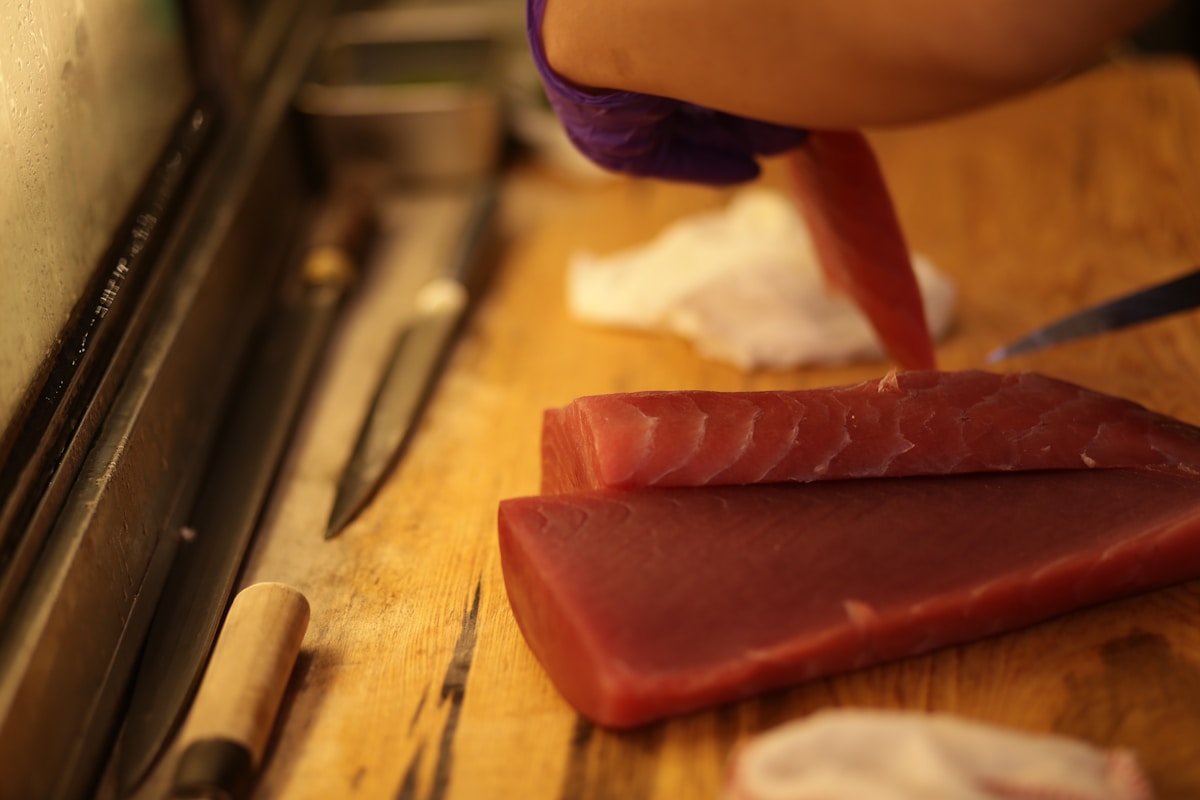
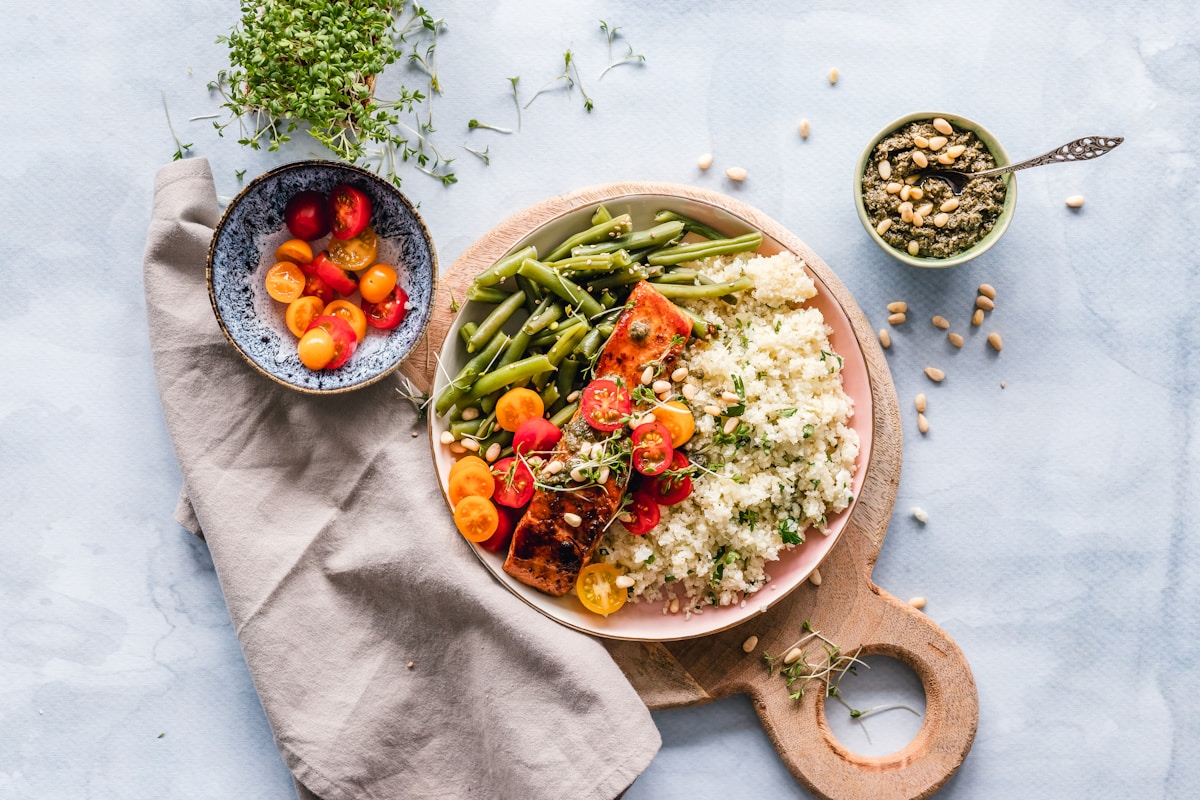
- Salmon — Omega-3s for inflammation control. Most teams serve it 3-4 times per week
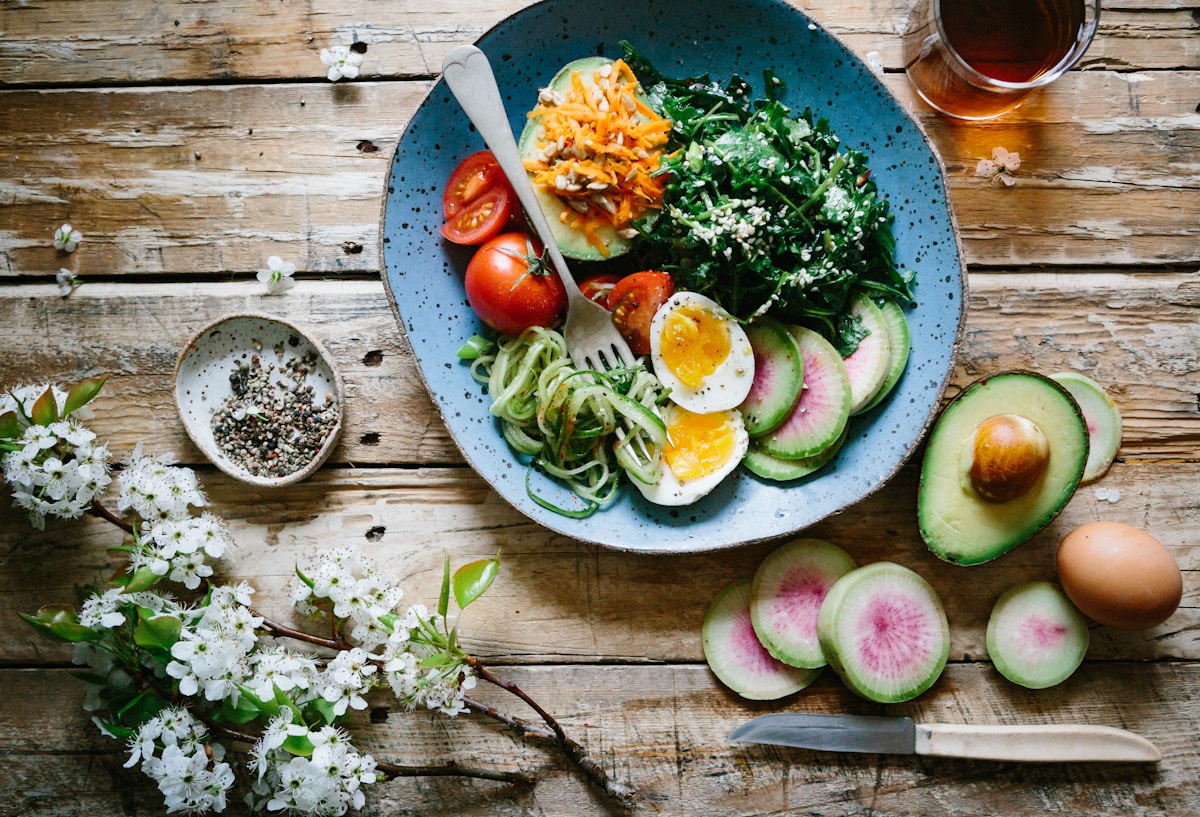
- Eggs — Many players eat 4-6 eggs daily for breakfast
- Lean ground turkey — Versatile, high-protein, easy to meal prep
- Grass-fed beef — Higher in omega-3s than conventional, popular with linemen who need calorie density
Complex Carbohydrates
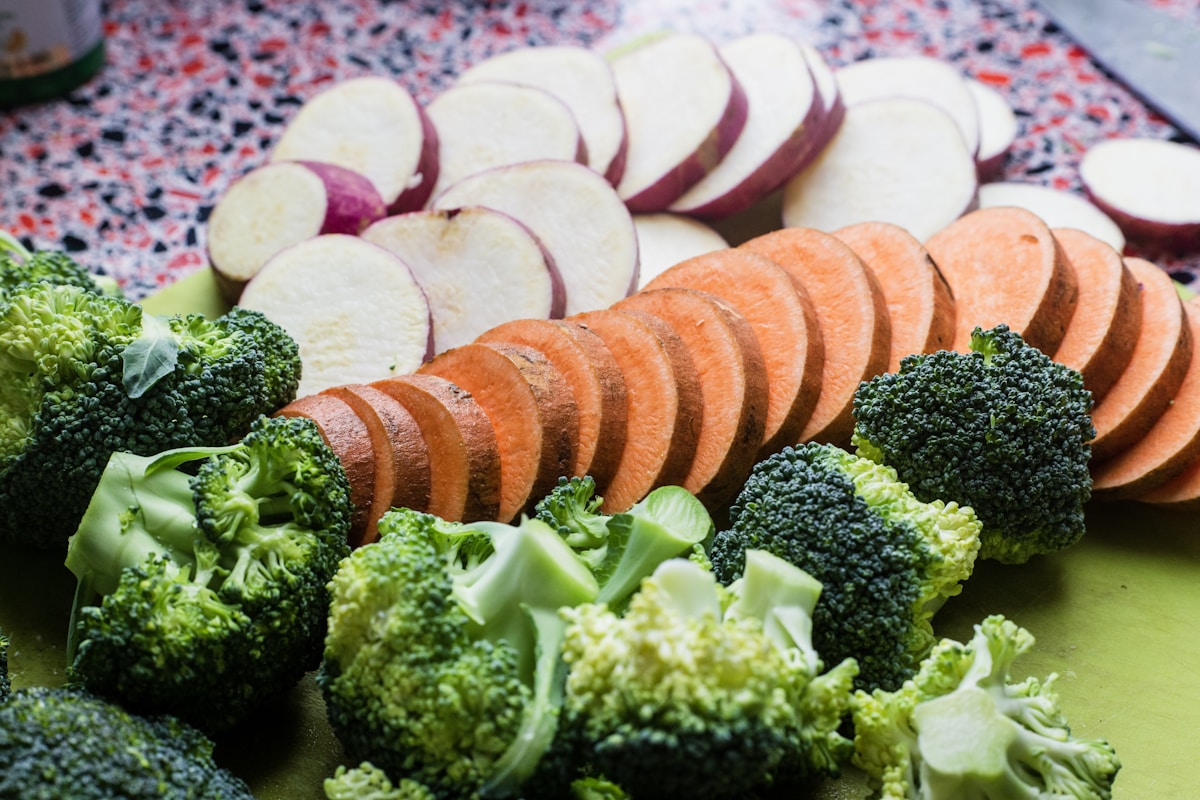
Carbs are not the enemy in the NFL. They are the primary fuel for high-intensity performance:- Sweet potatoes — The NFL's favorite carb. High in potassium, vitamin A, complex carbs
- Brown rice — Staple at every team facility
- Oatmeal — Breakfast standard, often mixed with protein powder
- Quinoa — Complete protein + complex carbs
Vegetables and Fruits
- Broccoli, spinach, kale — Anti-inflammatory micronutrients
- Berries — Antioxidant powerhouses, popular in smoothies
- Bananas — Pre-game potassium and quick energy
- Avocado — Healthy fats, nearly universal in NFL nutrition programs
Famous NFL Diets
Tom Brady — The TB12 Method
The most documented athlete diet in history. Brady credits his longevity (playing until 45) to:- 80% plant-based meals
- No sugar, dairy, gluten, caffeine, or nightshade vegetables
- Alkaline foods only
- Massive hydration (half his body weight in ounces daily)
Derrick Henry — The Power Eater
The Tennessee Titans running back consumes 4,000+ calories daily:- Breakfast: 6 eggs, oatmeal, fruit
- Lunch: Double chicken breast, rice, vegetables
- Dinner: Steak or salmon, sweet potato, salad
- Snacks: Protein shakes, nuts, fruit throughout the day
Russell Wilson — The Performance Optimizer
Wilson follows a disciplined plan focused on anti-inflammatory foods:- Lean protein at every meal
- No processed food
- Limited sugar
- Emphasis on recovery nutrition (protein + carbs within 30 minutes of training)
Position-Specific Nutrition
Linemen (4,000-6,000 calories)
Need maximum calorie density to maintain 300+ lb frames:- Higher fat intake (avocado, nuts, olive oil)
- Frequent meals (6-8 per day)
- Calorie-dense shakes between meals
Skill Positions (3,000-4,000 calories)
Prioritize lean mass and speed:- Higher protein-to-calorie ratio
- Moderate carbs, timed around training
- Lower fat to maintain body composition
Quarterbacks (3,000-3,500 calories)
Focus on cognitive function and sustained energy:- Omega-3 rich foods (brain health)
- Complex carbs for sustained mental energy
- Anti-inflammatory foods for recovery
Game Day Nutrition
- 3-4 hours before: Large meal — chicken, rice, vegetables (600-800 calories)
- 1-2 hours before: Light snack — banana, protein bar, or PB&J
- Halftime: Simple carbs (fruit, gels, sports drink)
- Post-game: Protein shake within 30 minutes, full meal within 2 hours