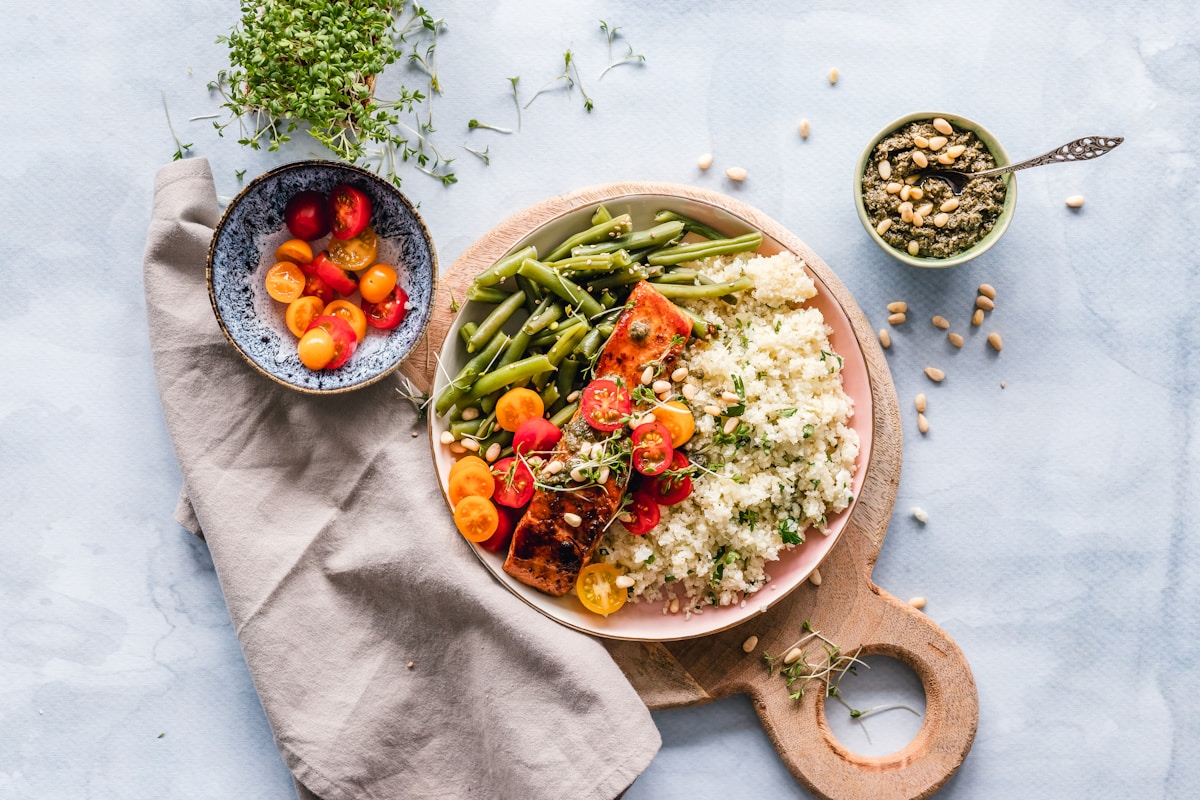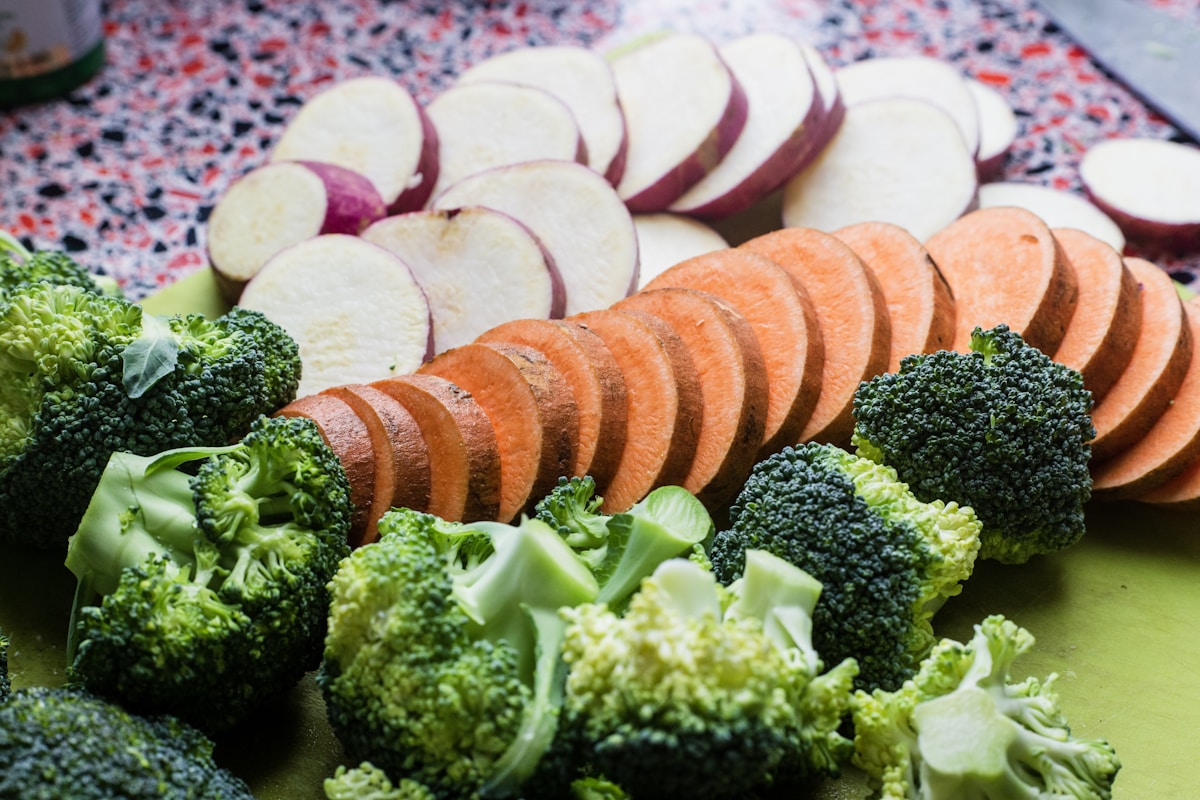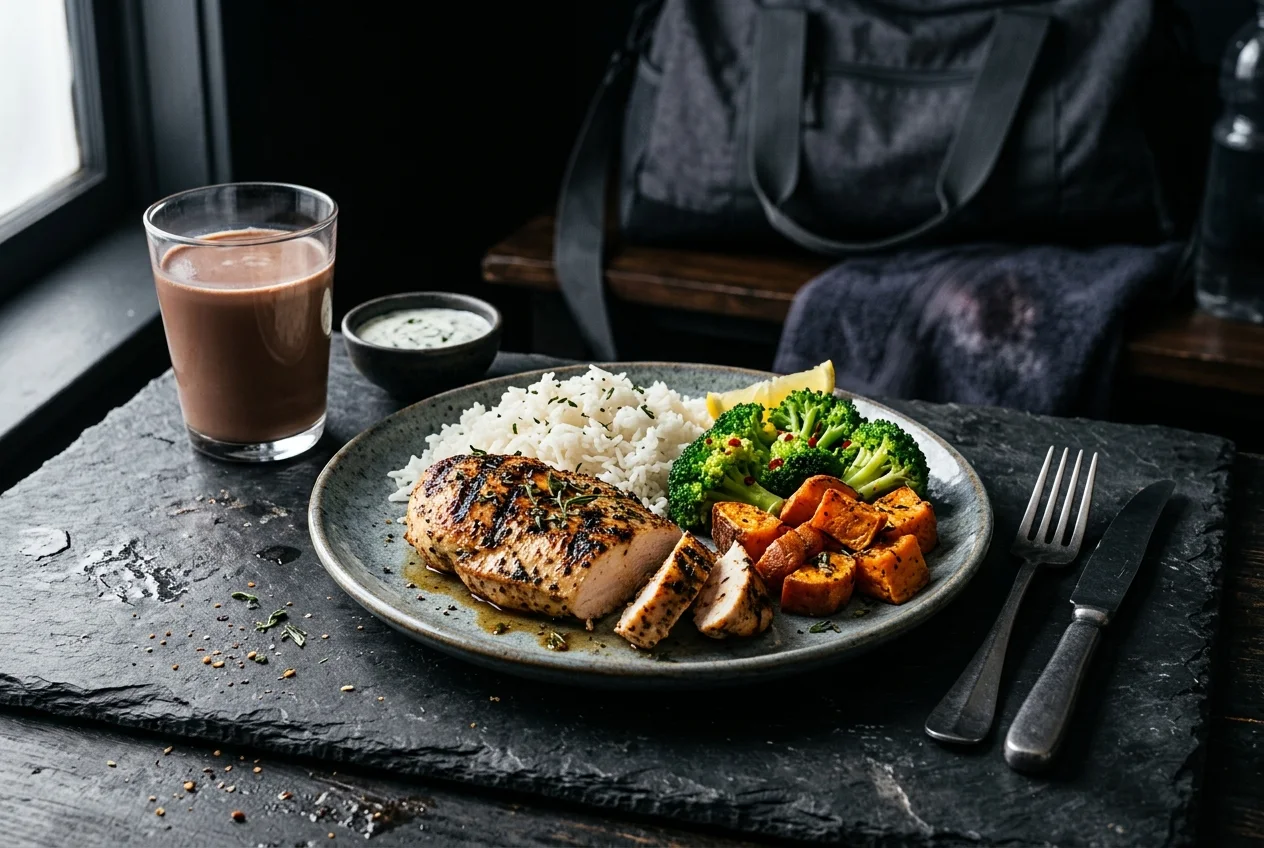
Short answer: The best post-workout meal for muscle gain combines 20–40 grams of high-quality protein with carbohydrates (roughly 0.5–1 g per kg of body weight), eaten within a few hours of training. Think grilled chicken with rice and vegetables, Greek yogurt with fruit and granola, or eggs on toast with a banana.
At a glance
- Protein: 20–40 g (about 0.25–0.40 g/kg) of a leucine-rich source
- Carbs: ~0.5–1 g/kg to restock glycogen — more important after long or repeated sessions
- Timing: the "anabolic window" is hours wide, not 30 minutes — total daily protein matters most
- Trained fasted? Eat sooner rather than later
- Fluids: rehydrate with water alongside the meal
Why the post-workout meal matters
Lifting breaks muscle down and empties some of the glycogen (stored carbohydrate) in the muscles you trained. Recovery is where growth happens: protein supplies the amino acids that drive muscle protein synthesis, and carbohydrate refills glycogen so the next session doesn't start on an empty tank. The International Society of Sports Nutrition's nutrient timing position stand frames the post-exercise period as a sensible opportunity — not an emergency.
The protein target: 20–40 grams
The ISSN protein position stand recommends about 0.25–0.40 g of protein per kg per meal — 20–40 g for most people — from sources rich in the amino acid leucine: chicken, fish, lean beef, eggs, dairy, whey, or well-planned plant combinations like tofu and soy. Total daily protein (roughly 1.4–2.0 g/kg/day for training adults) still matters more than any single meal; our free protein calculator personalizes both numbers.
Research on daily distribution backs this up: a classic study on protein timing and distribution found spreading protein across moderate doses every few hours stimulated muscle protein synthesis better than the same total in one or two large boluses.
The carbohydrate target: about 0.5–1 g/kg
Carbs are the underrated half of the plate. After a hard session, roughly 0.5–1 g of carbohydrate per kg of body weight (rice, potatoes, oats, fruit, bread, pasta) helps restore glycogen. Restocking quickly matters most when you train the same muscles again within 24 hours or do multiple sessions a day; with a full rest day ahead, hitting your daily carb total is enough.
What about fat? Moderate fat in the meal is fine — it does not meaningfully blunt protein or glycogen response. There's no need to fear the salmon, avocado, or whole eggs.
The anabolic window: myth vs. reality
The old rule said you had 30 minutes to slam a shake or the workout was wasted. The evidence says otherwise. A meta-analysis on protein timing found that apparent timing benefits mostly disappeared once total daily protein was matched, and a detailed review of the post-exercise window concluded the opportunity spans several hours around training, not minutes.
Two practical exceptions: if you trained fasted, or your pre-workout meal was many hours ago, eating soon after the session makes more sense. Otherwise, eat your next quality meal within a couple of hours and move on.

10 best post-workout meals for muscle gain
| Meal | Why it works |
|---|---|
| Grilled chicken, rice & broccoli | The classic: ~35–40 g protein plus fast-digesting carbs |
| Salmon with roasted potatoes | Protein plus omega-3s and glycogen-friendly carbs |
| Eggs on toast with a banana | Quick, cheap, leucine-rich; easy on a light appetite |
| Greek yogurt parfait with berries & granola | ~20 g protein, carbs, and easy to eat immediately |
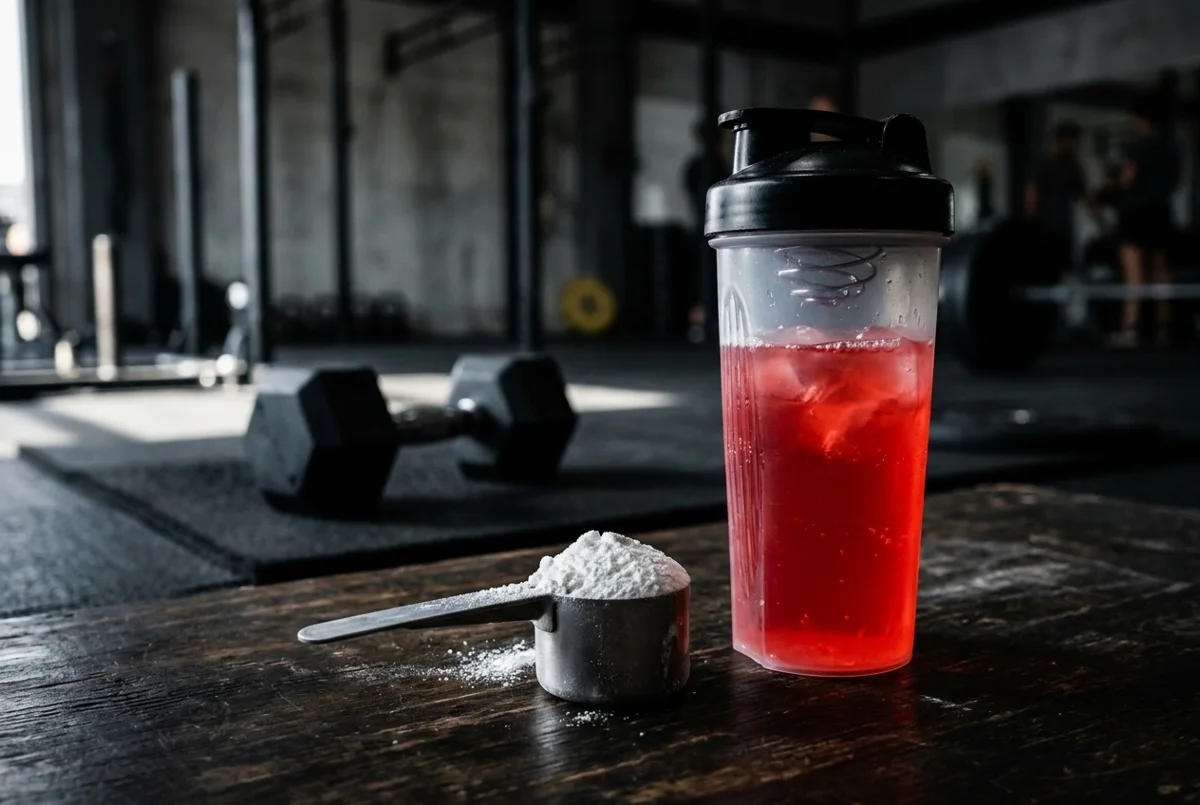
| Whey shake + banana | The fastest option when a meal is more than an hour away |
| Cottage cheese with pineapple | Slow-digesting casein — great when your next meal is far off |
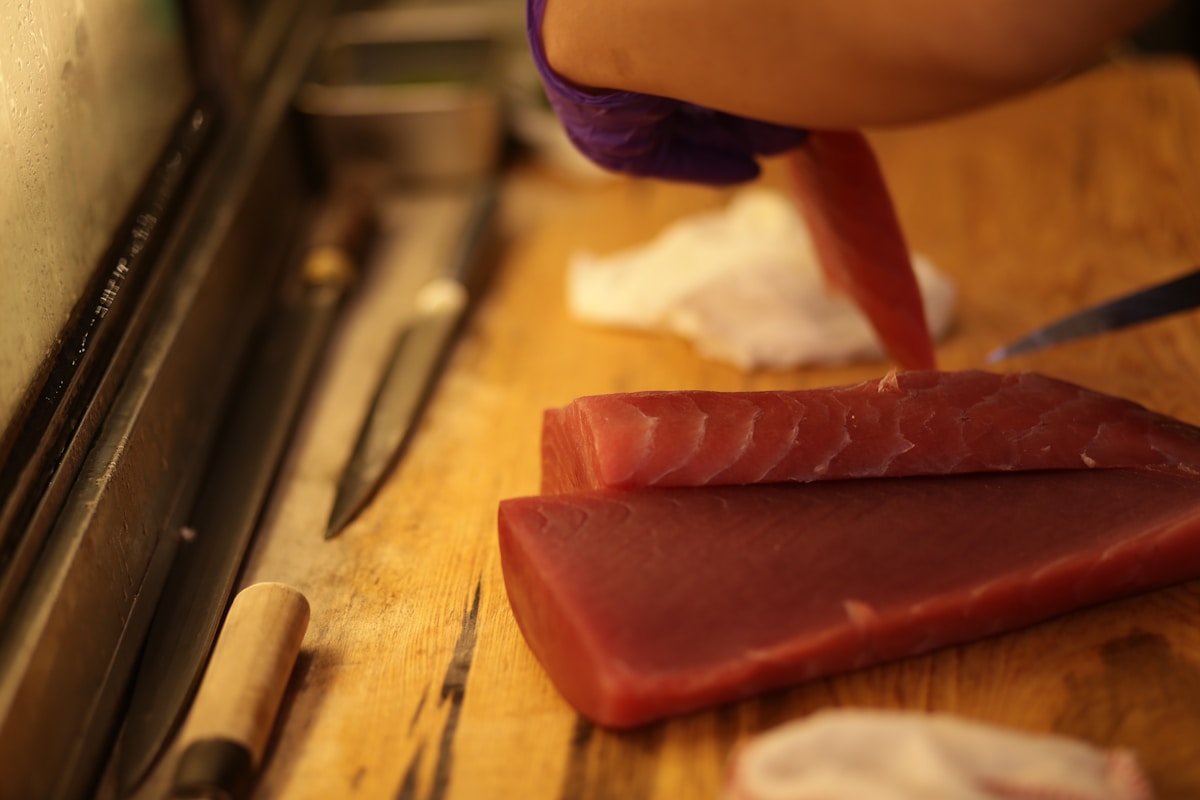
| Tuna wrap with veggies | Portable lean protein and carbs for training on the go |
| Chocolate milk + trail mix | Carb-protein combo with fluids and sodium for rehydration |
| Burrito bowl (chicken or steak, rice, beans) | Big protein and carb totals for high-volume training days |
| Tofu stir-fry with rice | Plant-based, leucine-adequate when portioned generously (~150–200 g tofu) |
Batch-cooking these is the easiest way to stay consistent — our high-protein meal prep guide covers a full week in one session.
Common post-workout nutrition mistakes
- Skipping food entirely after fasted training — the one scenario where eating promptly clearly helps.
- Protein with zero carbs after hard sessions — fine occasionally, but it slows glycogen recovery during heavy training weeks.
- Living on shakes — supplements fill gaps; whole meals bring calories, micronutrients, and satiety.
- Nailing the post-workout meal but missing daily totals — one good meal can't rescue a low-protein day.
- Replacing recovery with alcohol — it impairs both muscle protein synthesis and sleep quality.
Frequently asked questions
How soon after a workout should I eat?
Within a couple of hours is fine for most people. If you trained fasted or your last meal was 4+ hours before training, eat sooner. The 30-minute "anabolic window" is not supported by current evidence.
Is a protein shake enough after a workout?
A shake with 20–40 g of protein covers the protein target, but it lacks the carbohydrates and calories of a full meal. Use it as a bridge when a real meal is more than an hour away.
Do I need carbs after lifting?
For muscle gain, yes — carbs restock glycogen and support total calorie needs. They matter most when you train hard again within 24 hours. On a rest-day eve, hitting your daily carb total is enough.
What should I eat after a workout to lose fat but keep muscle?
The same structure at smaller portions: 20–40 g of protein plus some carbohydrate, inside a modest daily calorie deficit. Protein protects muscle while you cut.
Is chocolate milk actually a good post-workout drink?
It's a legitimate budget option — a natural carb-protein mix with fluid and electrolytes. It works best as a supplement to your day, not as the whole recovery plan.
How much protein is too much in one meal?
Your body uses larger doses too — nothing is "wasted" — but muscle-building response begins to level off beyond roughly 40 g per sitting. Spreading protein across 3–5 meals per day is the more effective pattern.
The bottom line
The best post-workout meal for muscle gain is 20–40 g of quality protein plus carbohydrates, eaten within a few hours of training — chicken and rice, yogurt and fruit, or eggs and toast all qualify. Hit your daily protein total, don't stress a 30-minute window, and eat sooner if you trained fasted.
Sources
- Kerksick et al. — ISSN Position Stand: Nutrient Timing (2017)
- Jäger et al. — ISSN Position Stand: Protein and Exercise (2017)
- Schoenfeld et al. — The Effect of Protein Timing on Muscle Strength and Hypertrophy: A Meta-Analysis (2013)
- Aragon & Schoenfeld — Nutrient Timing Revisited: Is There a Post-Exercise Anabolic Window? (2013)
- Areta et al. — Timing and Distribution of Protein Ingestion During Prolonged Recovery (2013)