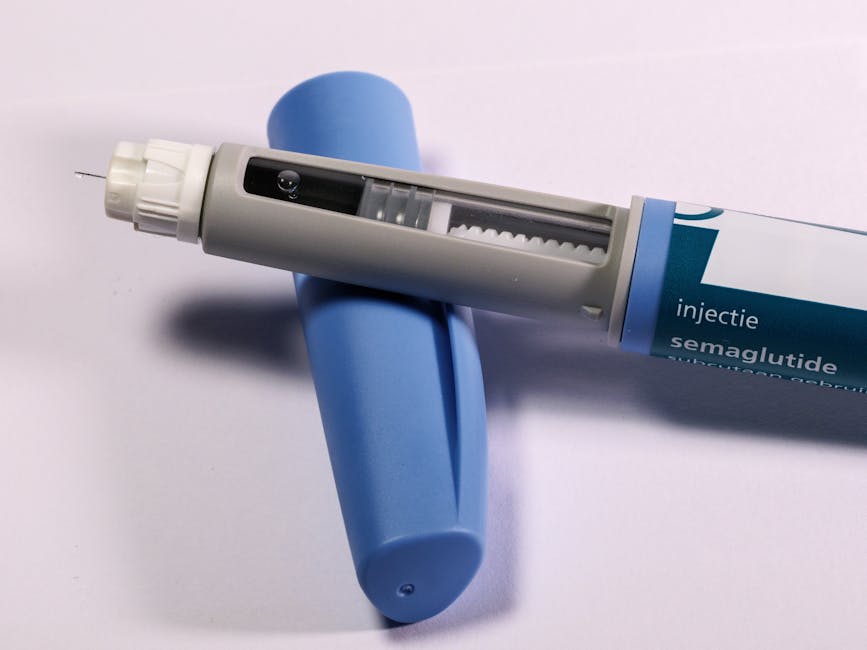
You're hunting for a competitive edge. An injury is slowing you down. Someone in your training circle mentions BPC-157 as the secret weapon for faster recovery, and suddenly you're wondering if this peptide is the missing piece in your performance puzzle.
Stop. Before you spend money on an unproven compound, you need to understand why NinjAthlete and serious athletes in the high-performance space refuse to recommend it. The risks of BPC-157 peptide are substantial, and they outweigh the hype.
Related: BPC-157 Peptide for Inflammation: What Athletes Need to Know
Related: DSIP Peptide Dosage: What High-Performance Athletes Need to Know
BPC-157 Peptide Risks: The Hard Truth
BPC-157 has no approval for human clinical use. That's not a technicality. That's the foundation of why this compound remains in the gray zone for athletes who demand evidence-based protocols.
Related: Peptide Risks: What Athletes Need to Know in 2026
Here's what you're actually dealing with:
- Zero regulatory approval: The FDA has not cleared BPC-157 for human application. It exists in a regulatory vacuum, which means there's no official safety threshold, no mandated quality control, and no clinical guarantee that what you're buying is what you think you're buying.
- Insufficient safety data: Clinical trials in humans are minimal. The research that exists is preliminary and emerging, not mature. You're essentially a test subject if you use it.
- Unregulated manufacturing: Because there's no FDA oversight, production facilities lack standardized quality protocols. Purity, potency, and contamination are unknown variables. You could be injecting something that contains impurities or incorrect dosages.
- Unknown adverse effects: Negative health effects are possible, but because human safety data is sparse, we can't fully characterize what those risks are. That uncertainty is itself a risk.
- No established dosing: Without clinical research, there's no safe or effective dosage protocol. Users are guessing. That's not optimization. That's gambling.
- Athletic ban potential: BPC-157 could be added to sport prohibition lists at any time. If you're a competitive athlete in a tested federation, this peptide could jeopardize your eligibility.
Why Athletes Seek BPC-157 (And Why the Evidence Doesn't Support It)
BPC-157 gets attention in fitness circles because it's marketed as a musculoskeletal repair tool. The pitch is simple: faster injury healing, better recovery, return to training sooner.
The problem? Efficacy in humans remains unproven. Interest is high. Evidence is low.
Most of the available data comes from animal studies or in vitro research. When you're making a decision about your body, animal data is a starting point, not an endpoint. You need human clinical evidence, dose-response studies, and long-term safety monitoring. BPC-157 has none of that maturity.
This is especially concerning for young or developmental athletes. The potential effects on growth, hormonal systems, and tissue development are simply unknown. Risking your long-term health for unproven short-term recovery gains is not a trade-off a serious athlete makes.
What Serious Athletes Do Instead
If you're dealing with an overuse injury or slow recovery, the high-performance mindset isn't to chase the latest peptide hype. It's to return to proven protocols that have peer-reviewed backing and regulatory oversight.
Consider these evidence-based approaches:
- Structured recovery programming: Sleep optimization, periodized training load, and strategic deload weeks address the root cause of most overuse injuries. These aren't sexy, but they work.
- Targeted nutrition: Protein timing, micronutrient sufficiency, and anti-inflammatory foods support tissue repair. The science is decades mature.
- Movement quality and rehab: Professional assessment and corrective exercise eliminate movement compensations that drive injury. This is foundational.
- Physical therapy collaboration: Licensed professionals who understand your sport can design rehab that accelerates healing without experimental compounds.
- Approved peptide protocols: If you're interested in peptide therapy, work with a physician who understands performance medicine. Approved compounds with human safety data exist and are available through regulated channels.
If you want to dig deeper into how elite athletes actually optimize recovery without cutting corners, check out NinjAthlete's evidence-based recovery strategies for your specific discipline.
The Cost of Taking Shortcuts
You're disciplined. You train hard. You invest in your performance. That same rigor needs to apply to what you put in your body.
The appeal of BPC-157 is understandable. You want faster results. But unregulated peptides expose you to:
- Unknown purity and contamination risk
- Potential adverse effects you won't see coming
- Regulatory exposure if the compound is banned
- Wasted money on a compound that may not work
- Opportunity cost: time spent chasing unproven hype instead of implementing what actually works
High-performance athletes refuse to settle for average. But refusing to settle doesn't mean taking reckless risks. It means being ruthlessly selective about what you invest in. You demand evidence. You demand safety. You demand regulatory oversight.
BPC-157 fails all three tests.
What to Do Right Now
If you're currently considering BPC-157, pause and ask yourself: would I do this if it had zero marketing hype around it? Would I trust it if I had to explain it to a team physician?
The honest answer for most serious athletes is no.
Instead, invest your energy in recovery protocols backed by peer-reviewed research. Work with a sports medicine professional. Get a clear diagnosis of your injury. Build a rehab plan tailored to your sport and your performance goals.
That approach takes patience. But it works. And it doesn't expose you to unknown risks.
Is BPC-157 safe?
No. BPC-157 lacks FDA approval for human use and has insufficient clinical safety data. Adverse effects are possible but not fully characterized. Manufacturing is unregulated, creating unknown purity and contamination risks. Until human clinical trials establish a clear safety profile, this compound should be avoided.
Can I use BPC-157 as a competitive athlete?
It's risky. BPC-157 is not currently on most sport prohibition lists, but that status could change at any time. Using an unapproved, unregulated peptide puts your eligibility in jeopardy. Competitive athletes operate with regulatory clarity, not in gray zones.
What should I use instead for faster injury recovery?
Focus on evidence-based recovery: optimized sleep, strategic training periodization, targeted nutrition, corrective exercise, and professional physical therapy. These approaches have peer-reviewed backing and proven results in athletic populations. They're slower than a magic peptide, but they actually work and carry no regulatory or safety risk.
Why is BPC-157 so popular if it's not approved?
Marketing and anecdotal reports create perception of efficacy. Biohacking communities share experiences that feel compelling but are not clinically validated. The internet amplifies unproven claims. Just because something is talked about doesn't mean it's safe or effective. Serious athletes make decisions based on evidence, not hype.