
You're serious about performance. That means you've moved past generic training advice and into the territory where marginal gains compound into measurable results. Biotechnology techniques are no longer confined to research labs or agricultural applications. Elite athletes in 2026 are leveraging molecular analysis, biomarker testing, and personalized protocols to unlock performance gains that conventional training alone cannot deliver.
The gap between average athletes and high performers isn't just about work ethic anymore. It's about understanding what's actually happening inside your body at the cellular level, then using that data to inform every training decision. If you want to refuse settling for average, you need to understand how biotechnology techniques can accelerate your progress.
Why Biotechnology Techniques Matter for Competitive Athletes
Biotechnology has traditionally been associated with agriculture and pharmaceutical development. But the principles underlying these techniques are directly applicable to athletic performance optimization. The same analytical rigor used to identify genetic markers in crop development can be adapted to understand your individual response to training stress, nutrition, and recovery protocols.
Related: Vasoactive Intestinal Peptide: Athletic Performance & Recovery
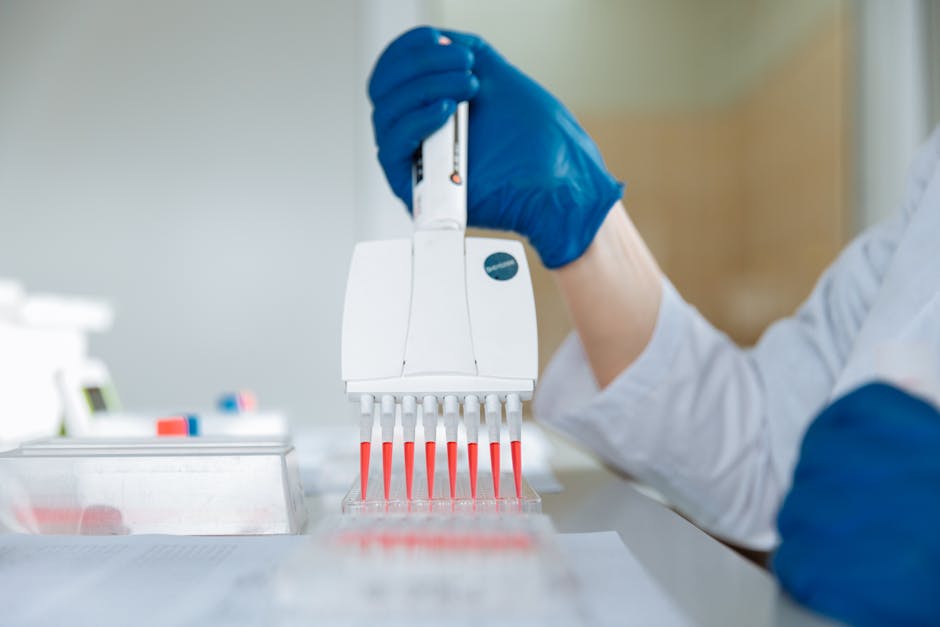
Here's what's changed: NinjAthlete athletes now have access to biomarker analysis and genetic testing that was unavailable to competitors five years ago. Flow cytometry, DNA sequencing, and Western blotting techniques that sound academic actually translate into actionable insights about muscle protein synthesis, inflammatory responses, and recovery capacity.
The practical benefit? You can identify whether your body responds better to high-frequency training or longer recovery windows. You can measure the actual impact of your nutrition protocol on protein synthesis. You can predict injury risk before pain becomes a problem.
Key Biotechnology Techniques You Need to Understand
Flow Cytometry for Cellular Analysis
Flow cytometry measures individual cell properties with precision that simple blood work cannot match. For athletes, this means analyzing immune cell populations, identifying stress responses at the cellular level, and tracking recovery markers in real time. Instead of guessing whether you're recovered, you have data.
This technique enables you to measure:
- Immune cell distribution and function
- Markers of muscle damage and repair
- Inflammatory response to training stress
- Cellular indicators of overtraining before symptoms emerge
High-performance athletes use flow cytometry data to adjust training volume and intensity with precision. If markers indicate excessive inflammation, you reduce volume that week. If recovery markers are optimal, you push harder. This is training science at the cellular level.
DNA Sequencing and Genetic Testing
DNA sequencing identifies genetic variants that affect how your body responds to training, metabolizes nutrients, and tolerates specific training stimuli. This isn't about predicting your athletic potential from your genes. It's about understanding your individual response profile so you can optimize protocols specific to your genetic makeup.
Genetic testing reveals:
- Muscle fiber type distribution tendencies
- Oxygen utilization efficiency
- Injury predisposition and connective tissue resilience
- Nutritional absorption and micronutrient requirements
- Recovery rate and adaptation capacity
This data informs everything from periodization strategy to supplement selection. Two athletes with identical training volume might respond completely differently because of genetic variation in muscle protein synthesis or lactate clearance capacity. Genetic testing eliminates the guesswork.
Biomarker Analysis and Western Blotting
Western blotting is a detection method that identifies specific proteins in your blood and tissues. For athletes, this translates to precise measurement of muscle protein synthesis, training-induced adaptations, and recovery status. You're not just measuring cortisol or testosterone. You're analyzing the actual cellular machinery of adaptation.
Actionable biomarkers include:
- Muscle protein synthesis rates
- Inflammatory protein markers
- Mitochondrial efficiency indicators
- Connective tissue turnover and repair
- Metabolic adaptation signals
When you understand these markers, you can validate whether your training stimulus is actually producing the adaptation you want. Are you building muscle protein, or just accumulating fatigue? Is your recovery protocol actually reducing inflammation, or just making you feel better subjectively? Biotechnology answers these questions with certainty.
How to Apply Biotechnology Techniques to Your Training
Understanding the science is only half the battle. You need a practical framework for applying these insights to your actual training and recovery routine.
Step 1: Get Baseline Testing
Start with comprehensive genetic testing and initial biomarker analysis. This establishes your individual response profile and identifies potential vulnerabilities or advantages. You're creating a performance baseline specific to your biology, not comparing yourself to population averages.
Step 2: Align Nutrition and Recovery to Your Biology
If genetic testing shows you're a poor responder to carbohydrate-heavy protocols, pursuing a high-carb periodization strategy is wasting time. If biomarker analysis shows inadequate protein synthesis despite adequate protein intake, absorption might be your limiting factor. Biotechnology techniques reveal these individual variations.
Explore how peptide protocols designed for athletic recovery interact with your specific biomarker profile. Some athletes respond exceptionally well to targeted peptide therapy because their biomarkers indicate collagen synthesis limitations. Others see minimal benefit because their recovery bottleneck is neural, not tissue-level.
Related: Best Collagen Peptide Liquid for Athletic Recovery
Step 3: Monitor Adaptation in Real Time
Rather than waiting months to assess whether your training plan is working, use biomarker testing quarterly or semi-annually to track actual cellular adaptation. Are you building mitochondrial capacity? Is muscle protein synthesis increasing? Is inflammatory burden decreasing despite training volume?
This feedback loop eliminates the guesswork in periodization. If markers show you're not adapting to your current stimulus, you adjust before investing another 8 weeks in a program that isn't working for your individual biology.
Step 4: Prevent Injury Using Cellular Indicators
Connective tissue damage shows up in biomarkers before pain develops. If collagen turnover markers are elevated or inflammatory markers specific to joint stress are rising, you reduce volume strategically before injury becomes obvious. This is preventive medicine applied to athletic performance.
Biotechnology Techniques in Practice: Real Athlete Application
HYROX athletes represent the cutting edge of biotechnology integration in fitness. The demands of hybrid racing span strength, power, endurance, and technical movement capacity. Athletes who understand their individual biomarker responses can optimize training split frequency, nutrition timing, and recovery modality with surgical precision.
One athlete's genetic profile might show exceptional capacity for aerobic adaptation but limited power development. Rather than pursuing equal emphasis on strength and endurance, biotechnology data informs a 60/40 split weighted toward what their biology handles best. Another athlete might show the opposite pattern.
When you layer HYROX-specific training optimization on top of individual biomarker data, you're not training generically anymore. You're training to your actual biology.
Where to Get Biotechnology Testing Done
Access to these techniques has democratized in 2026. You no longer need to be part of a university research program or elite sports team to get genetic testing and biomarker analysis. Several established providers now offer athlete-focused panels that measure the specific markers relevant to performance optimization.
Look for providers that offer:
- Comprehensive genetic panels (not just general ancestry)
- Athletic-specific biomarker analysis
- Actionable interpretation, not just raw data
- Longitudinal tracking (repeated testing over time)
- Integration with your training data
Cost ranges from $300-$1,500 for initial testing, with follow-up biomarker analysis running $150-$500 per quarter. For competitive athletes chasing measurable performance gains, this investment pays for itself through smarter training allocation and injury prevention alone.
Athletes training with data-driven protocols consistently report faster adaptation, clearer feedback on whether their protocols actually work, and increased confidence in their training decisions. This is what evidence-based optimization actually looks like.
Integrating Biotechnology Insights With Your Existing Protocol
You don't need to rebuild your entire training plan to apply biotechnology techniques. Start by adding one layer: initial genetic testing and baseline biomarker analysis. Use that data to validate your current approach and identify one leverage point where personalization matters most.
Maybe it's protein intake timing. Maybe it's training split frequency. Maybe it's recovery modality selection. Biotechnology data tells you exactly where your individual optimization opportunity exists.
Then, track that specific lever with repeated biomarker testing. If it's working, you have data proving it. If it's not, you adjust and try something different. This is the performance optimization loop that separates serious athletes from everyone else.
What about pharmaceutical peptide therapy?
Peptide protocols represent one application of biotechnology principles in athletic recovery. However, peptide selection and dosing should always be based on individual biomarker data and medical supervision, not generic recommendations. Your biomarker profile determines whether peptide therapy addresses your actual recovery bottleneck or represents wasted investment.
How often should I retest biomarkers?
Quarterly testing provides meaningful data on whether your training and recovery protocol is producing the cellular adaptations you expect. Some athletes prefer semi-annual testing during periodized blocks. The key is consistency so you can track trends rather than isolated data points.
Is genetic testing accurate for athletic performance prediction?
Genetic testing doesn't predict your ceiling as an athlete. Environmental factors, training quality, and consistency matter enormously. Genetic data reveals your individual response profile to specific training stimuli and nutritional approaches. That's different from prediction. It's optimization within your actual biology.
Can I use biotechnology techniques without expensive testing?
Standard blood work through your physician captures some useful biomarkers. However, athletic-specific panels measure markers that mainstream medicine doesn't typically track. For maximum actionability, athlete-focused biomarker testing is the better investment. The cost difference is modest relative to the performance gain.