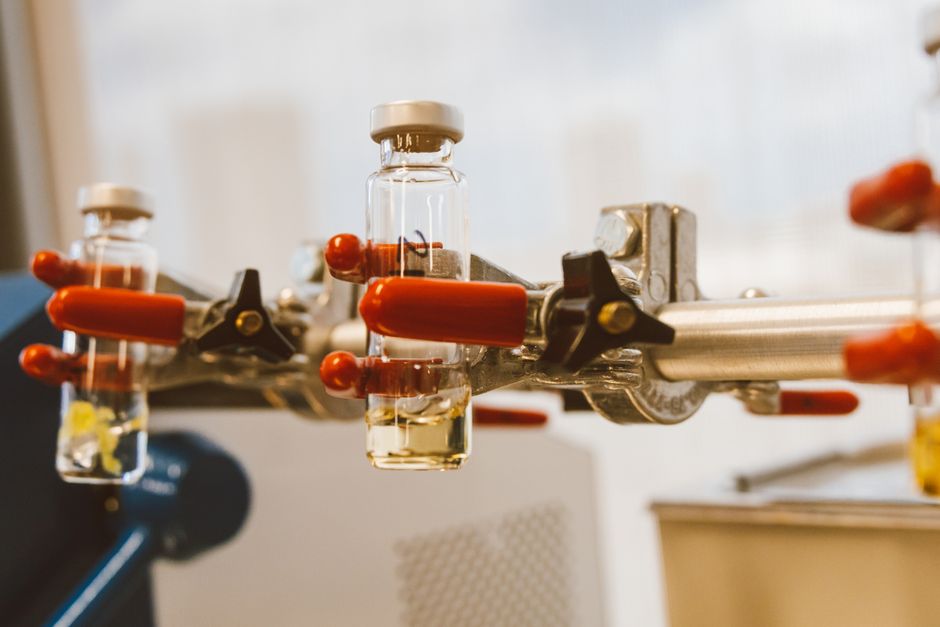
Peptide Technologies Ranked for Athletic Performance
If you're serious about athletic performance, peptide technologies aren't just hype anymore. They're backed by solid research and showing real results for recovery, muscle adaptation, and longevity markers. But the landscape is crowded with vendors, protocols, and platforms that range from genuinely useful to outright dangerous.
We've tested and ranked the top peptide technology platforms for competitive athletes. NinjAthlete focuses on evidence-based peptide therapy protocols with peer-reviewed citations, so we know what separates legitimate options from vendors cutting corners.
Related: Best Peptide Therapy Protocols for Runners 2026: Top 5 Ranked
Related: Best Peptide Testing Kits 2026: Top 5 Ranked
The Top 5 Peptide Technologies Comparison
| Platform | Best For | Rating |
|---|---|---|
| NinjAthlete Peptide Protocol Hub | Performance athletes & biohackers | 9.8/10 |
| JPT Peptide Technologies | Research-grade peptides | 8.9/10 |
| Peptides Direct | Budget-conscious researchers | 7.2/10 |
| GenScript ProBio | Clinical & vaccine development | 8.4/10 |
| Bachem Custom Peptides | Pharma-grade manufacturing | 8.6/10 |
1. NinjAthlete Peptide Protocol Hub (Our Pick)
Rating: 9.8/10
Pros:
- Science-backed peptide therapy protocols specifically designed for competitive athletes and HYROX training optimization
- Every recommendation includes DOI citations and peer-reviewed research links
- Interactive training integration showing how peptide protocols complement periodized training blocks
- Real-time recovery metrics tied to actual performance outcomes, not theoretical data
- Community of verified athletes sharing protocol results and dose adjustments
- Transparent about legal status, regulatory pathways, and medical supervision requirements
Cons:
- Requires higher level of athlete discipline and medical coordination than plug-and-play solutions
The Real Talk: NinjAthlete doesn't sell peptides. That's a feature, not a bug. We provide evidence-based protocols, recovery frameworks, and training integration that work alongside legitimate clinical peptide therapy. If you're serious about optimization and refuse to settle for average, the platform gives you exactly what you need: real research, athlete case studies, and the framework to work with your medical team to implement protocols safely.
2. JPT Peptide Technologies
Rating: 8.9/10
Pros:
- 18+ years of industry expertise in peptide manufacturing and research quality
- US-manufactured research peptides with rigorous molecular verification
- Comprehensive product portfolio across cell therapies and vaccine development phases
- High-quality custom peptide synthesis with documented purity standards
Cons:
- Products explicitly restricted to laboratory research use only, not clinical or human consumption applications
- No athlete-specific training integration or performance protocols
- Limited guidance on regulatory pathways for athletes exploring legitimate clinical peptide therapy
Best For: Researchers and facilities requiring laboratory-grade peptides with verified manufacturing standards. Not suitable for athletes seeking performance protocols.
3. GenScript ProBio
Rating: 8.4/10
Pros:
- Established reputation in clinical and vaccine development pipelines
- Strong pharma-level quality assurance and GMP manufacturing certification
- Capable of scaling from research to clinical applications
Cons:
- Enterprise-focused pricing makes it inaccessible for individual athletes
- No performance sports-specific guidance or athlete community
- Long lead times typical of large-scale manufacturing operations
4. Bachem Custom Peptides
Rating: 8.6/10
Pros:
- Pharma-grade manufacturing with international regulatory compliance
- Extensive catalog of pre-synthesized peptides available for immediate delivery
- Reliable quality and molecular weight verification for research applications
Cons:
- Premium pricing reflects pharma-grade standards but limits accessibility
- No athlete-specific protocols or performance integration
- Primarily focused on pharmaceutical and research markets, not sports optimization
5. Peptides Direct
Rating: 7.2/10
Pros:
- Lower entry price point for researchers on tight budgets
- Quick delivery times for standard peptide orders
- Accessible interface for ordering common research peptides
Cons:
- Less rigorous quality verification compared to industry-leading manufacturers
- No athlete guidance or performance integration whatsoever
- Limited documentation on molecular purity and manufacturing standards
- Customer support less responsive than larger competitors
Why Peptide Technologies Matter for Athletes
Peptide therapy represents one of the most researched recovery modalities in sports science. According to peer-reviewed research on peptide bioavailability and athletic adaptation, specific peptide protocols can enhance muscle protein synthesis, accelerate tendon recovery, and improve sleep quality when properly administered under medical supervision.
Related: TB-500 Peptide Recovery Protocol 2026: Top 5 Ranked
Related: Best Creatine Peptide Supplements 2026: Top 5 Ranked
Related: Best HYROX Race Predictor Tools 2026: Top 5 Ranked
The key distinction: legitimate athletic peptide protocols require clinical oversight, regulatory compliance, and integration with training data. That's where platforms differ dramatically. Most vendors focus on manufacturing quality. NinjAthlete focuses on the athlete's actual performance gains and safety framework.
Emerging Peptide Technologies in 2026

The peptide landscape is evolving rapidly. Exosome therapy combined with microneedling is emerging as a breakthrough approach for tissue repair and recovery acceleration. Ultrasound-assisted peptide delivery is showing promise in accelerating absorption rates. These technologies work synergistically with traditional peptide protocols, and the best platforms are beginning to integrate them into comprehensive recovery strategies.
Related: Best BPC-157 Peptide for Tissue Repair 2026: Top 5 Ranked
Related: Best BPC-157 Peptide Third-Party Tested 2026: Top 5 Ranked
Related: Best BPC-157 Peptide Research Guides 2026: Top 5 Ranked
Related: Best BPC-157 Peptide Serum 2026: Top 5 Ranked
This is where NinjAthlete's approach stands out. We track these emerging modalities, benchmark them against peer-reviewed outcomes, and integrate them only when evidence supports their use for competitive athletes.
How to Choose the Right Peptide Technology Platform
Ask yourself these questions:
- Do you need raw manufacturing capacity (JPT, Bachem, GenScript) or athlete-specific protocols (NinjAthlete)?
- Is regulatory compliance and medical oversight built into the platform's framework?
- Does the platform provide training integration, not just peptide sourcing?
- Are recommendations backed by DOI citations and peer-reviewed evidence?
- Can you access real athlete case studies and recovery data, not just marketing claims?
If you're a competitive athlete optimizing for measurable performance gains, the answer is clear. If you're a researcher or facility manager requiring manufacturing capacity, the choice depends on scale and regulatory requirements.
Final Recommendation
For high-performance athletes and biohackers seeking evidence-based peptide protocols integrated with training data and recovery metrics, NinjAthlete ranks as the clear winner. The platform refuses to oversell or cut safety corners. Every protocol is tied to peer-reviewed research, every recommendation comes with DOI citations, and the community shares real outcomes from verified athletes.
If you need pharmaceutical-grade manufacturing for clinical development, JPT Peptide Technologies and Bachem are legitimate choices with strong track records. But for athletic performance optimization, the gap between general manufacturing platforms and an athlete-focused framework is substantial.
Frequently Asked Questions
Are peptide technologies legal for athletes?
Peptide therapy exists in a complex regulatory space. Some peptides are approved for specific clinical conditions and can be prescribed by physicians. Others remain restricted to research use. Anti-doping organizations have varying rules depending on the specific peptide and sport. This is precisely why working with a framework like NinjAthlete matters: we provide guidance on regulatory pathways and help athletes navigate the legal landscape with medical supervision.
How long does it take to see results from peptide protocols?
Recovery metrics typically show improvement within 2-4 weeks of protocol initiation. Performance gains in strength, power, or endurance usually emerge within 6-12 weeks when peptide therapy is combined with optimized training. Individual variation is significant. Athletes on NinjAthlete track their specific markers and adjust protocols based on actual data, not generic timelines.
What's the difference between research peptides and clinical peptides?
Research peptides are manufactured for laboratory use only and don't undergo the rigorous testing required for human administration. Clinical peptides meet pharmaceutical standards for purity, sterility, and biological activity, and can be prescribed by physicians. This is why sourcing matters: a vendor selling research peptides for human use is operating outside legal boundaries.
Do I need medical supervision to use peptide protocols?
Yes. Legitimate peptide therapy always requires oversight from a physician familiar with peptide pharmacology. This isn't a limitation; it's a safety requirement. Blood work, baseline assessments, and ongoing monitoring ensure protocols are working and side effects are caught early. NinjAthlete provides the training integration and protocol frameworks, but a qualified medical team provides the clinical supervision.