Skip to content

TB-500 vs Thymosin Beta-4: What's the Difference? (2026 Guide)

TB-500 is a 7-amino acid fragment of full-length Thymosin Beta-4 (43 amino acids). Learn which peptide is right for your recovery goals based on NIH research.

Peptide Science Explained Tissue regeneration and cellular healing

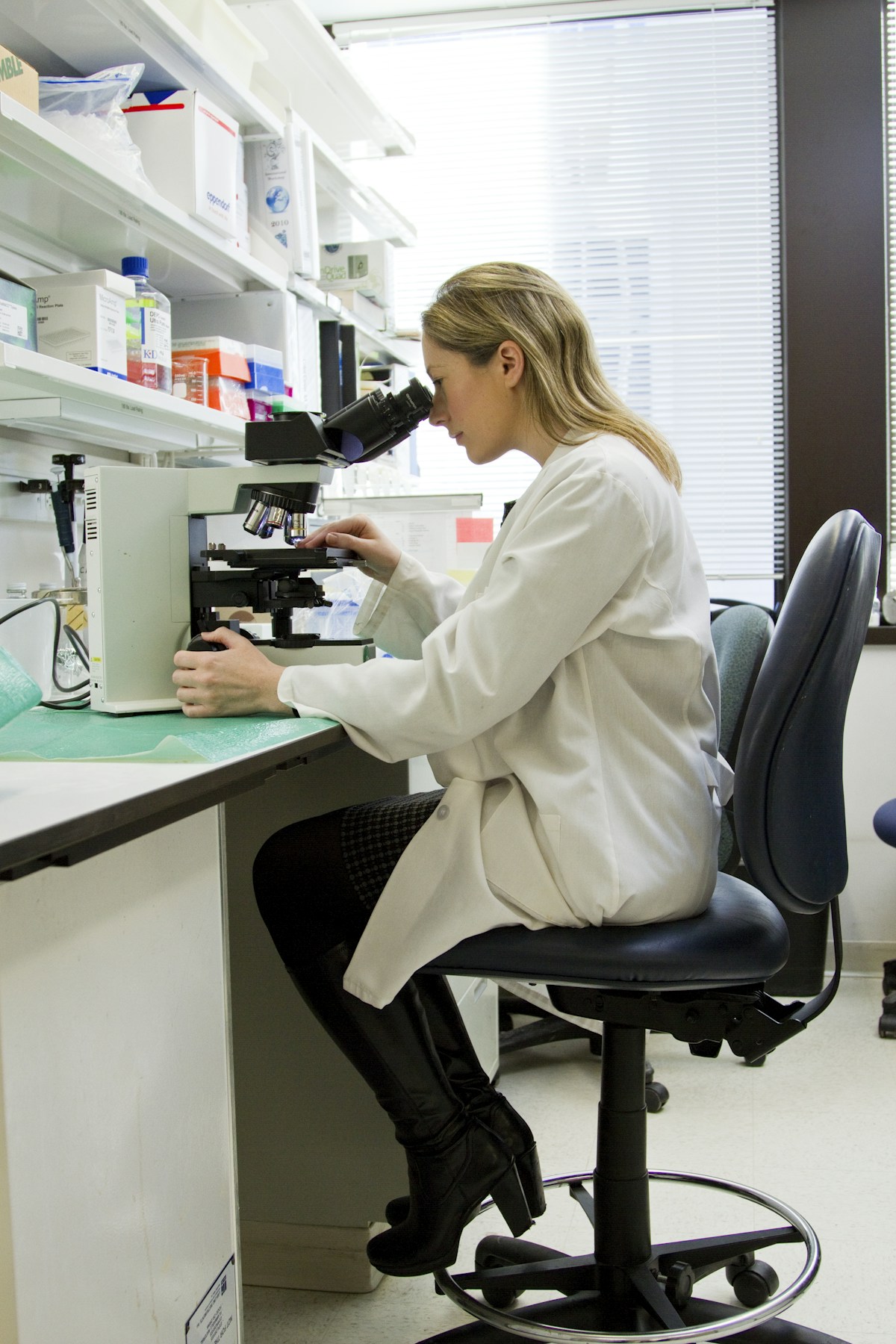
Understanding the molecular differences between TB-500 and Thymosin Beta-4 can optimize your recovery protocol.

If you've researched healing peptides, you've probably seen "TB-500" and "Thymosin Beta-4" used interchangeably. But here's the truth: they're not the same thing—and understanding the difference could mean the difference between optimal recovery and wasted money.

⚡ The Quick Answer

Thymosin Beta-4 (TB4) is the full-length, naturally occurring 43-amino acid peptide your body produces. TB-500 is a synthetic 7-amino acid fragment of TB4—specifically the actin-binding region (LKKTETQ). Both promote healing, but TB4 interacts with more biological pathways and is generally considered more potent.

What is Thymosin Beta-4 (TB4)?

Thymosin Beta-4 is a naturally occurring peptide found in virtually every cell in your body (except red blood cells). Originally isolated from the thymus gland in the 1960s, it's now recognized as one of the most important signaling molecules for tissue repair and regeneration.

TB4 consists of 43 amino acids and is encoded by the TMSB4X gene. In newborns, TB4 levels are approximately 20 times higher than in adults—which helps explain why children heal so much faster than adults do.

What TB4 Does in Your Body

  • Actin Sequestration: Regulates cell structure, movement, and division by binding to G-actin
  • Cell Migration: Helps cells move to injury sites for repair
  • Angiogenesis: Stimulates new blood vessel formation to feed healing tissue
  • Anti-Inflammatory: Downregulates inflammatory cytokines and chemokines
  • Anti-Fibrotic: Reduces scar tissue formation during healing
  • Stem Cell Mobilization: Promotes differentiation of stem/progenitor cells

Research shows that TB4 concentrations naturally increase at sites of tissue damage. Your body essentially floods injured areas with this peptide to accelerate repair—which is why supplementing with exogenous TB4 has attracted so much interest in regenerative medicine.

Molecular biology and peptide research

TB4 has been studied extensively in clinical trials for wound healing and cardiac repair.

What is TB-500?

TB-500 is a synthetic peptide fragment derived from Thymosin Beta-4. Specifically, it contains only 7 amino acids—the sequence LKKTETQ—which corresponds to positions 17-23 of the full TB4 molecule.

This particular segment is significant because it contains the actin-binding motif—the region responsible for TB4's effects on cell migration, cytoskeletal organization, and wound healing.

Molecular Structure Comparison

Thymosin Beta-4
SDKPDMAEIEKFDKSKLKKTETQEKNPLPSKETIEQEKQAGES
43 amino acids • Full peptide
VS
TB-500
Ac-LKKTETQ
7 amino acids • Fragment (17-23)

The "Ac-" prefix you'll see on TB-500 (Ac-LKKTETQ) indicates N-terminal acetylation—a modification that protects the peptide from rapid degradation, improving its stability and bioavailability.

💡 Industry Terminology Confusion

Many peptide suppliers use "TB-500" and "Thymosin Beta-4" interchangeably, creating significant confusion. When purchasing, look for "TB-500 (43aa)" or "Full-length TB4" if you want the complete peptide. Standard "TB-500" typically refers to the 7-amino acid fragment.

Key Differences: TB-500 vs Thymosin Beta-4

Factor Thymosin Beta-4 Full TB-500 Fragment
Structure 43 amino acids (complete peptide) 7 amino acids (positions 17-23)
Molecular Weight ~4,921 Da ~889 Da
Origin Naturally produced or synthetic Synthetic only
Biological Pathways Multiple (actin + N-terminal activities) Primarily actin-binding only
Research Base Extensive (clinical trials completed) Limited (mostly detection/doping studies)
Potency Higher magnitude of effect Effective but narrower scope
Cost Higher (complex synthesis) Lower (simpler synthesis)
Manufacturing More complex purification required Simpler to produce

The critical distinction lies in biological pathway coverage. While TB-500 retains the actin-binding capabilities essential for cell migration and wound healing, full-length TB4 also includes the N-terminal region responsible for additional activities—including effects on DNA replication via deoxynucleotidyl transferase.

What the Research Shows

The scientific literature overwhelmingly focuses on full-length Thymosin Beta-4, which has progressed through multiple Phase II clinical trials. TB-500 research is more limited, with most studies focusing on detection methods for anti-doping purposes rather than therapeutic efficacy.

Key Published Studies on Thymosin Beta-4

  • Wound Healing (1999): TB4 increased re-epithelialization by 42% at 4 days and up to 61% at 7 days post-wounding. Wounds contracted 11% more than controls. (Journal of Investigative Dermatology)
  • Phase II Trials: TB4 accelerated healing in patients with pressure ulcers, venous stasis ulcers, and epidermolysis bullosa. ~25% of patients achieved complete healing within 3 months. (Annals of NY Academy of Sciences)
  • Corneal Repair: 35% reduction in ocular discomfort and 59% reduction in corneal staining vs. controls. (Clinical Ophthalmology)
  • Cardiac Regeneration: TB4 shown to activate cardiac progenitor cells and promote heart tissue repair after ischemic injury. (Nature)
  • Diabetic Wound Healing: Accelerated repair in db/db diabetic mice through angiogenesis and RAGE modulation. (Regulatory Peptides)
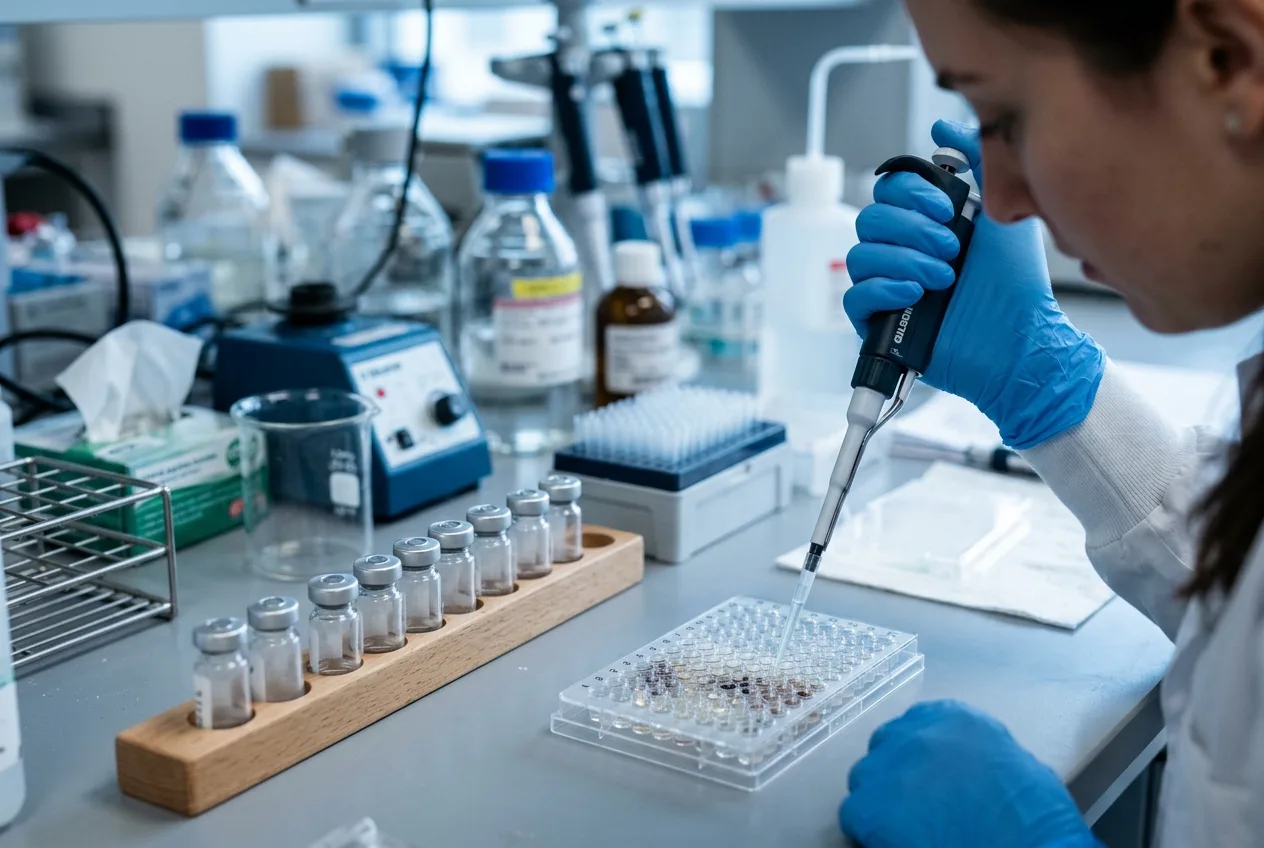
Scientific research and clinical studies

Full-length TB4 has completed multiple Phase II clinical trials for dermal and corneal healing.

What About TB-500 Specifically?

A 2003 mouse study found that a "seven-amino acid synthetic peptide" based on the actin-binding region (LKKTETQ—the basis for TB-500) was "able to promote repair in aged animals comparable to that observed with the parent molecule."

However, more recent research (2024) published in the Journal of Chromatography B found something interesting: TB-500 itself didn't significantly increase wound healing activity, but one of its metabolites (Ac-LKKTE) did. This suggests the body may need to process TB-500 into smaller fragments for optimal effect.

⚠️ Research Gap

While anecdotal reports of TB-500 efficacy are widespread, most peer-reviewed studies have been conducted with full-length TB4. The fragment's popularity stems largely from its lower cost and assumed similar activity—assumptions that may not be fully supported by the available evidence.

Which Should You Choose?

The "right" choice depends on your specific goals, budget, and circumstances. Here's a framework for decision-making:

✅ Choose Full-Length TB4 If:

  • You want maximum therapeutic potential
  • You're recovering from serious injury or surgery
  • You want peptide backed by clinical trials
  • You're addressing cardiac or neurological concerns
  • Budget is not the primary constraint
  • You want broader biological pathway coverage

✅ Choose TB-500 If:

  • Budget is a significant consideration
  • You're addressing general muscle/soft tissue recovery
  • You want to try healing peptides before investing in TB4
  • You're stacking with other recovery compounds
  • You're focused specifically on actin-related healing
  • Anecdotal evidence is sufficient for your purposes

Many experienced users opt for full-length TB4 for serious injuries and TB-500 for maintenance protocols or general athletic recovery. Some even use both—TB4 for loading phases and TB-500 for maintenance.

Dosing Protocols

Dosing differs between the two peptides due to their different molecular weights and biological activities:

Thymosin Beta-4 (Full-Length) Protocol
Loading Phase 2-6 mg, 2x/week for 4-6 weeks
Maintenance Phase 2-4 mg, 1-2x/week
Administration Subcutaneous injection
Cycle Length 8-12 weeks typical
TB-500 (Fragment) Protocol
Loading Phase 4-10 mg total/week for 4-6 weeks
Maintenance Phase 2-5 mg/week
Administration Subcutaneous or intramuscular
Cycle Length 8-14 weeks typical

Stacking Strategies

Both TB4 and TB-500 are commonly stacked with other peptides for synergistic healing effects. The most popular combination is with BPC-157, which works through complementary mechanisms.

🔬 TB4/TB-500 + BPC-157

  • BPC-157 targets tendons, ligaments, and gut
  • TB4/TB-500 excels at muscle and vascular repair
  • Combined coverage for comprehensive healing
  • Note: Keep in separate vials—don't pre-mix

💪 For Athletes

  • TB4/TB-500 + BPC-157 for injury recovery
  • Add MK-677 for GH support
  • Consider AOD-9604 for body composition
  • Use PeptiQ to track protocols

For a deeper understanding of peptide therapy for athletes, check out our comprehensive guide.

Ready to Accelerate Your Recovery?

Get pharmaceutical-grade TB-500 from a trusted source with verified third-party testing.

Shop TB-500 at APR →

Frequently Asked Questions

Are TB-500 and Thymosin Beta-4 the same thing?

No. TB-500 is a 7-amino acid synthetic fragment of the full 43-amino acid Thymosin Beta-4 peptide. While they share similar properties related to the actin-binding region, TB4 has additional biological activities that TB-500 lacks.

Which one heals faster?

Full-length TB4 is generally considered more potent due to its broader biological pathway coverage. However, TB-500 can still be highly effective for specific applications like muscle and soft tissue repair.

Can I use them together?

There's no established protocol for using both simultaneously, and it may be redundant since TB-500's active region is already contained within TB4. Most users choose one or the other based on their goals and budget.

How do I know if I'm getting real TB4 vs TB-500?

Look for "43aa" (43 amino acids) designation for full-length TB4. Standard TB-500 is typically 7 amino acids. Reputable suppliers will specify this in their product descriptions and provide certificates of analysis.

Is either FDA-approved?

Neither TB4 nor TB-500 is FDA-approved for human use. Both are sold for research purposes only. TB4 has completed Phase II clinical trials for specific indications but has not received regulatory approval.

Are they banned in sports?

Yes. Both TB4 and TB-500 are prohibited by WADA (World Anti-Doping Agency) at all times, both in and out of competition.

The Bottom Line

The confusion between TB-500 and Thymosin Beta-4 is understandable—the industry has used these terms interchangeably for years. But now you know the truth:

  • Thymosin Beta-4 is the full-length, 43-amino acid peptide with extensive clinical research backing its efficacy
  • TB-500 is the 7-amino acid synthetic fragment that retains the actin-binding properties at a lower cost
  • Both can support healing, but TB4 offers broader biological activity
  • Your choice should depend on your specific goals, budget, and injury severity

For serious injuries or when maximum therapeutic potential matters, full-length TB4 is worth the investment. For general athletic recovery and maintenance, TB-500 offers a cost-effective alternative with solid anecdotal support.

Get TB-500 from American Peptide Research →

Disclaimer: This article is for educational and informational purposes only. TB-500 and Thymosin Beta-4 are not FDA-approved and are sold for research purposes only. They are not intended to diagnose, treat, cure, or prevent any disease. Consult with a qualified healthcare provider before starting any peptide protocol. Both peptides are prohibited by WADA for competitive athletes.
Leave a comment

Your email address will not be published..

Cart

Your cart is currently empty.

Start Shopping

Select options