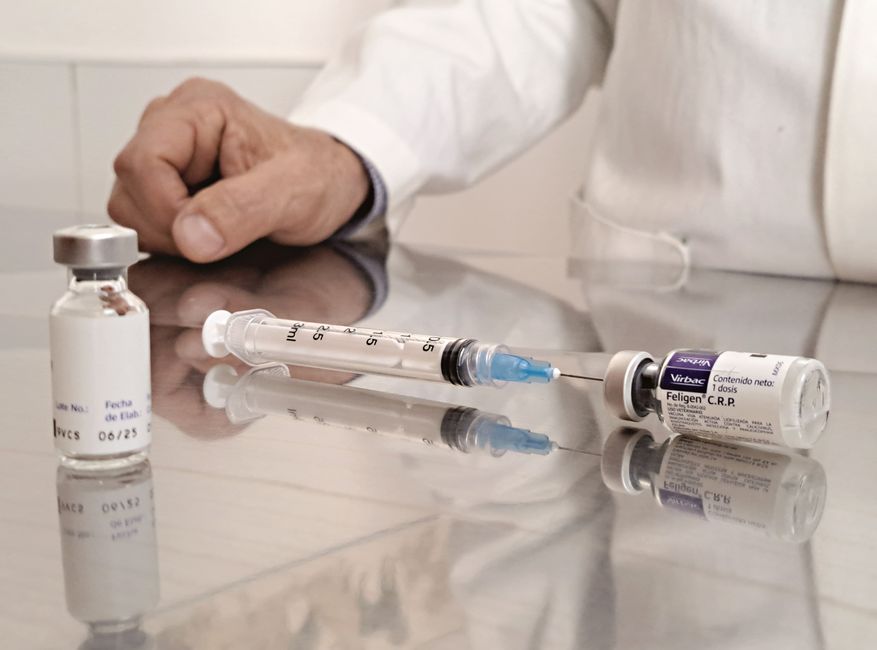
Biotech training is the intersection of biotechnology principles and athletic performance optimization. It's not about becoming a lab technician—it's about understanding the science behind muscle adaptation, protein synthesis, recovery protocols, and how to apply cutting-edge bioscience to your training methodology.
If you're chasing measurable performance gains and refuse to settle for average, biotech training gives you the framework to think like a researcher inside your training program. You get hands-on knowledge of how your body responds at a cellular level, which means smarter programming decisions and faster results.
Related: Biologic Therapy for Athletes: Faster Recovery & Peak Performance
Related: Bio Protocols for Athletes: Your Evidence-Based Training Framework
What Biotech Training Actually Covers
Biotech training programs blend multiple disciplines to prepare you for modern athletic performance work. The core curriculum typically includes applied biopharmaceutical principles, muscle physiology, protein metabolism, and recovery science.
You'll learn practical, hands-on concepts rather than just theory. This means understanding how your body manufactures and utilizes protein, how adaptation signals work at a cellular level, and how to structure your training around these biological realities.
Most programs emphasize protein-forward nutrition basics as foundational knowledge. That's not accident—protein synthesis is the bottleneck for strength gains, and knowing the mechanics gives you an edge in programming your diet and supplementation strategy.
Biotech training also addresses specific needs for athletes on various protocols or dealing with metabolic challenges. This includes strength programming requirements tailored to different physiological states and how to preserve muscle under different training conditions.
Why Athletes Need Biotech Training Knowledge
Traditional fitness advice operates at the surface level. "Lift heavy, eat protein, sleep more." That's not wrong, but it's incomplete.
When you understand the biotech side of training, you can optimize every variable. You know why certain rep ranges trigger different adaptation pathways. You understand how to sequence your training to maximize protein synthesis windows. You can adjust recovery protocols based on actual hormonal signaling, not just generic recommendations.
For competitive athletes—especially those targeting sports like HYROX where endurance and strength must coexist—this knowledge becomes your competitive advantage. NinjAthlete integrates biotech training principles into evidence-based performance programming because the data backs it up.
You also get clarity on supplementation. Instead of following influencers, you'll understand which interventions actually address your specific bottleneck. Are you limited by protein turnover? Mitochondrial capacity? Recovery speed? Biotech training teaches you to diagnose and solve.
How to Start Your Biotech Training Journey
Start by identifying what format works for your schedule. Training formats available include online learning, customized onsite programs, and face-to-face courses depending on your location and time constraints.
Online learning gives you flexibility and lets you move at your own pace. Onsite training offers hands-on experience and direct access to industry professionals. Face-to-face courses are ideal if you learn best through real-time interaction and want to build a network of other performance-obsessed athletes.
Look for programs that emphasize collaboration between research scientists and practitioners. That science-practice connection ensures you're not just memorizing textbook theory—you're learning what actually works in real athletic performance contexts.
Short-term non-degree options are available if you want focused skill development without a full program commitment. This is perfect if you're looking to deepen one specific area—like protein metabolism or recovery optimization—without overhauling your entire schedule.
Key Skills You'll Build

You'll develop the ability to read and interpret the physiological signals your body sends. Soreness patterns, recovery speed, strength progression, body composition changes—these all tell a story if you know the language.
You'll understand biomanufacturing and biopharmaceutical operations principles that directly translate to how your body manages recovery. This includes how to structure training volume, intensity, and frequency based on your biological capacity rather than just following a generic template.
You'll also build competency in designing interdisciplinary approaches to your training. Performance isn't just about the workout—it's about nutrition timing, sleep architecture, stress management, and how these systems interact at a biochemical level.
Industry-expert instruction from practicing professionals means you're learning what's current and applicable right now, not outdated methodology. The fitness world moves fast, and biotech training keeps you current with the latest evidence.
Applying Biotech Training to Your Program
Start simple. Apply one biotech principle to your current training this week.
Maybe it's understanding that your post-workout meal directly impacts muscle protein synthesis and timing that meal within a specific window. Maybe it's recognizing that your recovery capacity has a ceiling based on sleep quality and managing your training volume accordingly. Maybe it's understanding how certain stress hormones impact your strength progression and adjusting your weekly intensity distribution.
These aren't revolutionary concepts, but the difference between knowing them intellectually and truly understanding the mechanism underneath changes how you apply them.
When you're ready to integrate biotech training into a structured performance program, science-backed training plans designed around these principles will accelerate your results. The combination of understanding the why and following a program built on that same foundation creates compound gains.
Document your progress. Track not just performance metrics but also recovery markers—sleep quality, readiness, subjective soreness, body composition changes. This data tells you whether your biotech training application is actually working for your individual biology.
Building Your Biotech Training Foundation
You don't need a full degree to benefit from biotech training. Most athletes start with foundational knowledge in three areas: muscle physiology, protein metabolism, and recovery science.
From there, you can specialize. Maybe you go deeper into nutrient timing and supplementation strategy. Maybe you focus on training periodization aligned with hormonal cycles. Maybe you explore how different metabolic states impact your strength ceiling.
The key is starting with the fundamentals and building systematically. Each new concept connects to what you already know, and your training decisions become more refined over time.
The most successful athletes combine biotech training knowledge with discipline in execution. Understanding the mechanism is only half the game—actually building the habits and structure that apply that knowledge daily is where results live.
If you're looking to upgrade your training methodology with a science-first approach, performance optimization strategies built on biotech principles will give you the framework and the tools to execute.
Can I learn biotech training without a background in biology?
Yes. Most programs designed for athletes start at beginner level and build progressively. You don't need prior science knowledge—just willingness to learn. Industry professionals teaching these courses know how to translate complex concepts into actionable athletic principles.
How long does it take to see results from applying biotech training?
You'll notice changes in your decision-making almost immediately—better nutrition timing, smarter workout sequencing, improved recovery management. Physical performance gains depend on consistent application, but most athletes see measurable strength or endurance improvements within 4-6 weeks of properly implementing biotech principles.
Is biotech training only for elite athletes?
No. Any athlete who wants to optimize performance can benefit. Whether you're competitive or pursuing personal bests, understanding the biotech behind your training makes you more efficient. You waste less time on ineffective methods and focus on what actually drives adaptation in your specific sport.
What's the difference between biotech training and regular fitness coaching?
Regular fitness coaching focuses on programming and cues. Biotech training adds the mechanistic layer—why certain protocols work, how your body actually adapts, and how to adjust based on biological feedback. It gives you the education to make independent decisions and adapt programs as your needs change.