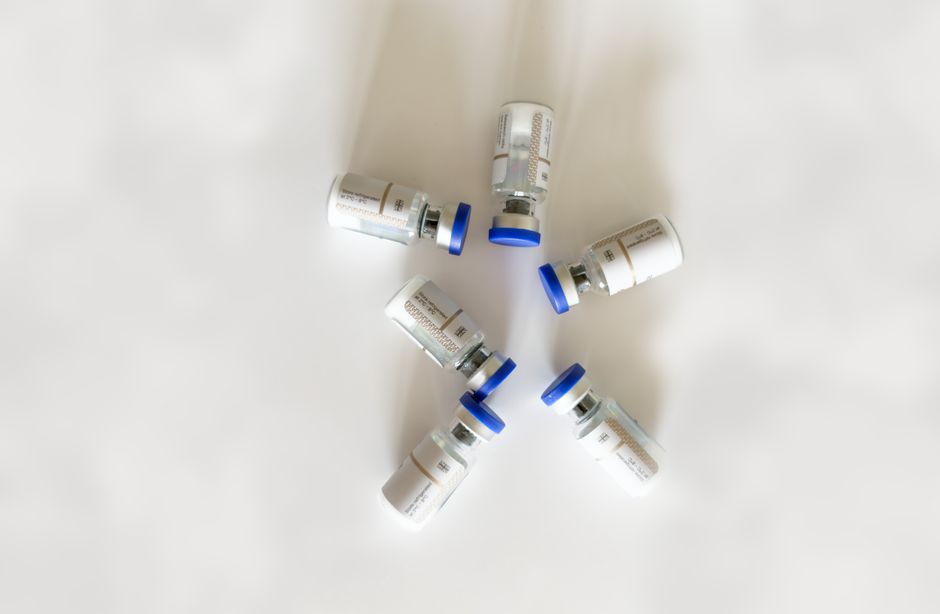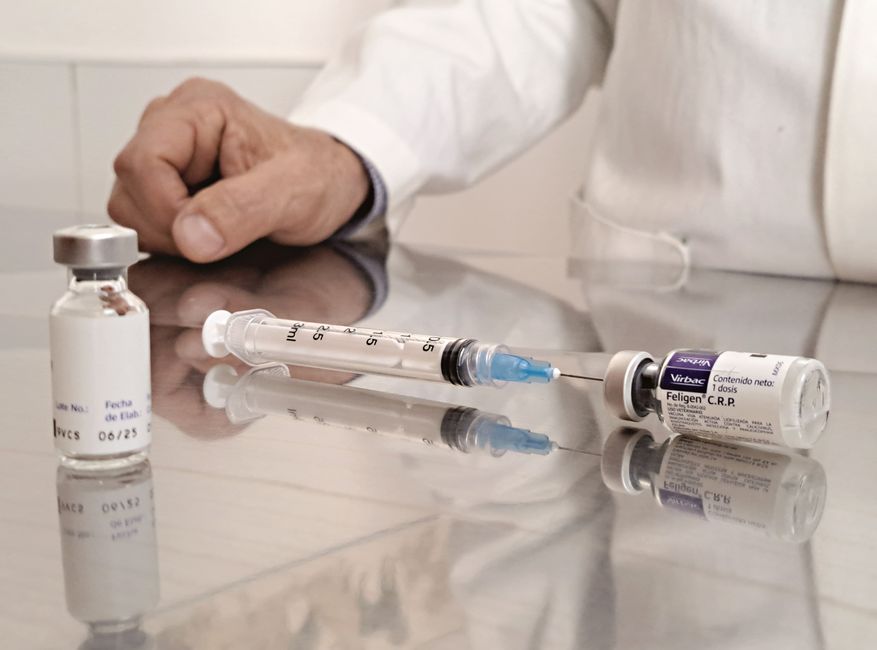
Peptide R is a cyclic peptide that functions as a CXCR4 antagonist. In plain terms, it's a short chain of amino acids engineered to interact with specific receptors in your body to influence recovery, performance, and cellular remodeling.
If you refuse to settle for average recovery protocols, understanding what peptide R actually does matters. This isn't hype. It's a compound gaining scientific interest among high-performance athletes who want to optimize every recovery pathway available.
Related: Best Lipo C Peptide Dosage for Performance Athletes
Related: What Is the Biohacking Community? A Performance Guide
What Exactly Is Peptide R?
Peptide R is built from ordered amino acids arranged in a specific cyclic structure. That structure gives it one key job: it acts as a CXCR4 antagonist, meaning it blocks or modulates the CXCR4 receptor on cells.
Why does that matter to you as an athlete? Because CXCR4 receptors play roles in cell migration, inflammation responses, and tissue remodeling. By modulating this receptor, peptide R theoretically influences how your body handles recovery at the cellular level.
This positions peptide R differently from mainstream recovery supplements. Instead of just delivering general nutrients, it targets a specific biological pathway tied to how your tissues repair and adapt after intense training.
How Peptide R Functions in Athletic Recovery
Peptide R is marketed in fitness contexts for three main applications: accelerating muscle and connective tissue recovery, supporting fat loss during training cycles, and promoting anti-aging benefits through cellular optimization.
Related: MOTS-C Peptide Benefits for Athletic Performance
The mechanism centers on tissue remodeling. When you train hard, your body needs to remodel damaged tissue fibers and rebuild them stronger. Peptide R's ability to modulate CXCR4 signaling may influence how efficiently that remodeling happens.
For athletes in sports like HYROX or other endurance-strength hybrids, this matters. You're dealing with repetitive stress on tendons, ligaments, and muscle tissue. Faster, more efficient remodeling means less downtime between hard sessions.
The compound also shows research interest in tumor stroma remodeling, which signals its broader capacity to influence tissue architecture. While that's a different context than athletic recovery, it demonstrates the mechanism's potency at the cellular level.
Peptide R vs. Standard Recovery Protocols
Standard recovery protocols rely on general strategies: sleep, nutrition, active recovery, and conventional supplements like creatine or protein. These work. They're foundational.
Peptide R represents a different category entirely. Instead of providing raw building blocks (like amino acids), it targets specific signaling pathways that control how efficiently your body uses those building blocks.
Think of it this way: normal supplements give your body the materials. Peptide R helps direct the construction crew. The difference isn't subtle when you're optimizing for competitive performance.
That's why NinjAthlete emphasizes peptide therapy protocols as part of a complete performance stack. It's not meant to replace sleep, training stress, or nutrition. It's meant to amplify your body's natural recovery capacity when everything else is dialed in.
Research Status and Emerging Applications
Peptide R is recognized as an emerging therapeutic compound with growing scientific interest. This isn't a long-established treatment with decades of athlete use. It's newer to the performance space.
That means two things: first, the research is still developing, so you're operating at the frontier of performance optimization. Second, claims should be approached with appropriate skepticism until evidence solidifies.
The compound shows documented interest in tissue remodeling applications, but the specific athletic performance data is still building. This is exactly the kind of edge that attracts high-performance biohackers who want to test emerging protocols before they become mainstream.
If you're exploring advanced peptide therapy as part of your longevity and performance strategy, understanding where peptide R sits in the research landscape matters. It's not unproven. It's not yet proven at scale in athletic populations either.
Practical Considerations for Athletes
If you're thinking about peptide R as a recovery tool, several factors matter more than the peptide itself.
First, quality and source verification are non-negotiable. Unregulated peptide manufacturing is a real problem in the fitness space. You need pharmaceutical-grade compounds from verified sources, not black market products with unknown composition.
Second, peptide therapy works best when stacked correctly with other recovery modalities. Sleep optimization, training periodization, nutrient timing, and stress management still come first. Peptide R amplifies an already-solid protocol. It doesn't replace one.
Third, individual response varies. Your genetics, training history, current recovery debt, and metabolic state all influence how effectively peptide R supports your goals.
This is where science-backed training plans make a difference. Peptides work best when integrated into a comprehensive optimization strategy, not tacked on as a standalone solution.
Who Should Consider Peptide R
Peptide R is relevant for competitive athletes operating at high performance levels who've already optimized the basics and want to explore advanced recovery pathways.
If you're training for HYROX, running a serious endurance-strength hybrid program, or competing in sports demanding rapid recovery between high-stress sessions, this compound sits in your wheelhouse.
It's less relevant if your training is recreational, your recovery debt is high, or you haven't yet dialed in sleep, nutrition, and training stress. Get those locked in first. Then explore peptide protocols as an amplification layer.
The athletes who see the most value from peptide R are the ones who measure everything, track recovery metrics, and adjust protocols based on data. Guessing doesn't work with this kind of optimization.
Integration Into Your Performance Stack

If you decide peptide R fits your goals, integration matters as much as the peptide itself. Here's the logic: peptide R modulates tissue remodeling. That process requires raw materials and optimal conditions.
Protein intake needs to be adequate. Sleep needs to be prioritized. Training stress needs to be structured intelligently. Anti-inflammatory management might matter depending on your sport and training volume.
Timing and dosing require careful consideration too. Peptide protocols aren't one-size-fits-all. Your specific application depends on your recovery bottlenecks and performance goals.
This is why exploring peptide therapy protocols through a structured approach beats random experimentation. The difference between a protocol that works and one that wastes money is usually precision and integration.
What's Next for Peptide R Research
Peptide R is early in its athletic application lifecycle. As more competitive athletes experiment with CXCR4 antagonist compounds, more data will emerge about efficacy, optimal dosing, and long-term effects.
The research pathway typically moves from mechanism studies, to animal models, to human trials, to athlete adoption. Peptide R is somewhere in that progression, which means the next 2-3 years will probably clarify its actual value for high-performance populations.
That doesn't mean you should wait. High-performance athletes have always been early adopters of emerging protocols. The key is doing it intelligently, with quality compounds, structured protocols, and realistic expectations.
Your job is staying informed as evidence builds. Watch for peer-reviewed research on CXCR4 antagonists in recovery and tissue remodeling. Compare anecdotal reports from competitive athletes against your own training data. Make decisions based on what works for your physiology and goals, not hype.
Is peptide R legal for athletes?
Peptide R isn't on most banned substance lists, but this depends heavily on your sport, league, and governing body. Some athletic organizations allow therapeutic peptides. Others don't. Before using any peptide compound, verify the rules for your specific competition. This is non-negotiable compliance work.
How long does peptide R take to show results?
Recovery optimization isn't instant. Tissue remodeling happens over weeks, not days. Most athletes report noticing changes in recovery quality and training capacity after 4-8 weeks of consistent use when integrated into a complete protocol. Individual response varies significantly.
Can peptide R replace sleep or nutrition?
No. Peptide R amplifies recovery when everything else is in place. If your sleep is poor or your nutrition is mediocre, peptide R won't fix those problems. Prioritize sleep, protein intake, and training structure first. Use peptide R as an optimization layer, not a foundation.
Where should athletes source peptide R?
Quality matters more than anything else. Source peptides only from pharmaceutical-grade suppliers with third-party verification. The fitness supplement space has too many unregulated products with unknown composition. Verify sourcing, purity testing, and manufacturing standards before committing to any protocol.