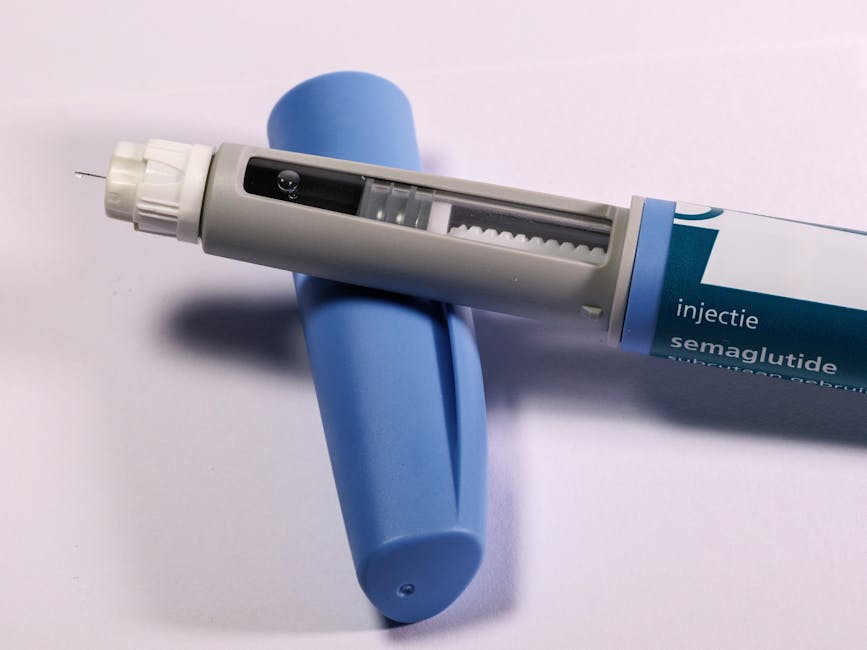
BPC-157 is a synthetic peptide composed of 15 amino acids that's gaining attention in athletic recovery circles. It's derived from a naturally occurring protein found in gastric juice, and early animal research suggests it might support tissue healing and blood flow. But here's the honest take: most of what we know comes from lab and animal studies, not human trials. If you're considering BPC-157, you need to understand what's proven, what's speculative, and what the gaps actually are.
This guide breaks down the mechanism, the research, and what athletes should actually know before going down this rabbit hole. We're not here to hype peptides or dismiss them. We're here to give you the data so you can make an informed decision.
What Is BPC-157 and How Might It Work?
BPC-157 stands for Body Protection Compound-157. It's a peptide—a short chain of amino acids—that researchers initially identified in stomach acid. The theory is that it might replicate the function of this naturally occurring compound.
Related: Best BPC-157 Peptide Research Guides 2026: Top 5 Ranked
Related: Best BPC-157 Peptides for Women 2026: Top 5 Ranked
The proposed mechanisms in animal models include:
- Promoting tissue regeneration and healing in muscles, tendons, and ligaments
- Improving blood flow to damaged or stressed tissues
- Reducing inflammatory responses at the injury site
- Enhancing overall tissue integrity and function
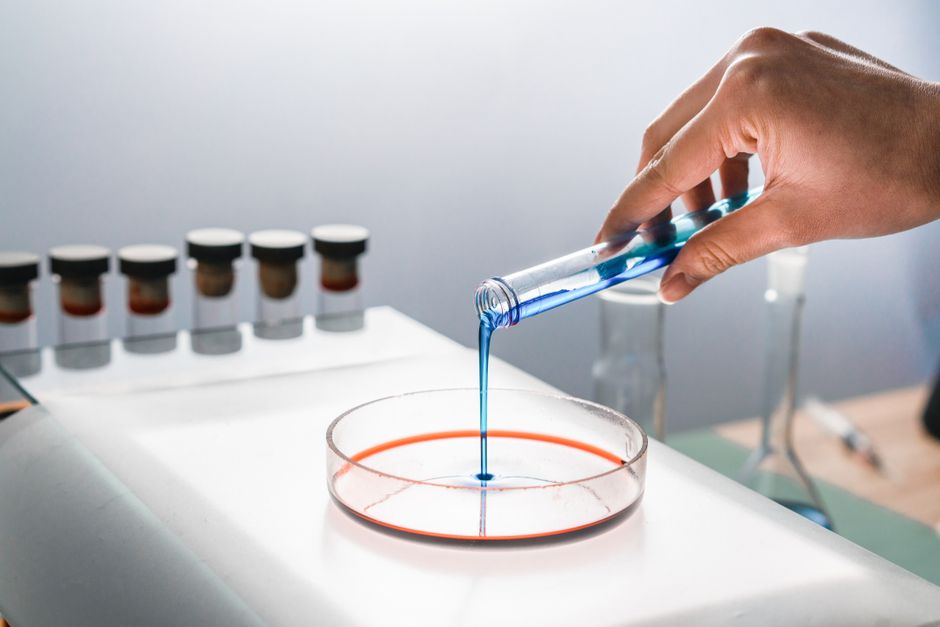
Sounds promising, right? The problem is that most of this research has been conducted in petri dishes, cell cultures, and animal models. Mice and rats aren't you. And a test tube isn't your body.
The Research: What We Actually Know
Let's be direct. When you search for BPC-157 research, you'll find studies showing benefits in animal models. A lot of them. Tissue repair, faster healing timelines, improved function—the data looks solid on paper.
But here's where it gets real: translating animal research to humans is notoriously difficult. What works in a mouse doesn't automatically work in a 190-pound athlete. Dosing, bioavailability, absorption rates, and individual metabolic variation all matter.
According to the National Library of Medicine's PubMed database, human clinical trial data on BPC-157 remains extremely limited. Most published studies focus on animal models or theoretical mechanisms. There are very few randomized controlled trials in humans, and even fewer in athletic populations.
That gap—between what happens in an animal study and what actually happens when you use it—is the whole ballgame. That's where most peptide hype lives.
Why Athletes Are Interested in BPC-157
If you're a serious athlete, you understand the problem: recovery is the bottleneck. You can train hard, but if your body can't repair tissue fast enough, you plateau. Injury becomes a ceiling.
BPC-157 appeals because it theoretically addresses that. If it genuinely accelerated healing and reduced inflammation, that would be a performance advantage. For competitive HYROX athletes, obstacle course racers, or anyone doing high-volume training with joint stress, faster tissue recovery is attractive.
The peptide community talks about it for:
- Post-injury recovery and rehabilitation
- Tendon and ligament durability
- General inflammation management
- Tissue integrity maintenance during heavy training phases
These are real problems. But the question isn't whether the problem exists. It's whether BPC-157 actually solves it in humans. And right now, we don't have enough data to confidently say yes.
The Critical Research Gaps

Here's what makes this messy. Animal studies don't automatically translate to humans because:
- Animal metabolism differs significantly from human metabolism
- Dosing protocols in animals are often extrapolated poorly to humans
- Human bodies have more complex immunological responses that might interfere with the proposed mechanism
- Time scales are different—healing in a rat happens faster than in a human
- Most human data comes from uncontrolled, anecdotal reports, not randomized trials
If you're looking for rigorous, peer-reviewed human studies on BPC-157 for athletic recovery, you'll be searching for a while. They mostly don't exist yet.
When you're trying to optimize performance, you want to invest time and resources into strategies with solid human evidence backing them. That's why NinjAthlete focuses on interventions with clinical trial support, not just animal promise.
Legal and Safety Considerations
Before you even get to efficacy, you need to know the regulatory landscape. BPC-157 is not approved by the FDA for human use. Its legal status varies by country and jurisdiction.
In the United States, it falls into a gray area. It's not a controlled substance in most places, but it's also not regulated as a pharmaceutical. That means quality control, purity, and manufacturing standards can vary wildly depending on where you source it.
Medical professionals have raised safety concerns about BPC-157, including:
- Unknown long-term effects in humans
- Potential interactions with medications or other supplements
- Possible immunological responses
- Risk of using unregulated peptides with unknown purity levels
This isn't theoretical. If you're using a peptide from an unregulated source, you genuinely don't know what you're injecting. That's a real risk.
What Should Athletes Actually Do?
If you're interested in BPC-157, here's the honest framework:
Related: BPC-157 Peptide Results: What Athletes Actually See
First, talk to a doctor. Not a supplement brand. Not a gym bro. A licensed physician who can evaluate your specific situation, your medical history, and your goals. They need to assess whether it's safe for you, whether it might interact with anything else you're taking, and whether it's legal where you live.
Second, understand what you don't know. Human efficacy data is limited. You're essentially experimenting on yourself. That's a personal choice, but you need to make it with eyes open.
Third, prioritize the basics first. Before considering experimental peptides, optimize the stuff that actually has human evidence: sleep quality, training periodization, nutrition timing, stress management, and intelligent programming. That's not sexy. But it works.
Fourth, track what matters. If you do decide to use BPC-157 under medical supervision, measure objective outcomes. Recovery speed, injury resilience, tissue quality markers if you can get them. Anecdotes are noise. Data is signal.
For competitive athletes serious about evidence-based optimization, NinjAthlete focuses on strategies with actual human clinical backing. That's the foundation.
The Bottom Line on Biotech BPC-157
BPC-157 is interesting. Animal research is genuinely promising. But human data is thin. Really thin. Most athletes exploring peptides are working with incomplete information and significant regulatory uncertainty.
If you're competitive and you refuse to settle for average, that's the exact reason you should demand better evidence before investing in experimental compounds. The athletes who win long-term are the ones who optimize what's proven first.
Recovery matters. Tissue health matters. But so does not experimenting with compounds where the human safety and efficacy data doesn't exist yet. That's not conservative thinking. That's smart risk management.
Frequently Asked Questions
Is BPC-157 legal?
BPC-157's legal status varies by country. In the US, it's not FDA-approved for human use, but it's not a controlled substance in most jurisdictions. That doesn't mean it's safe or regulated. Check your local laws and always consult a healthcare provider before considering use.
How does BPC-157 compare to other recovery peptides?
BPC-157 isn't the only peptide being studied for recovery. Others like TB-500 and GHK-Cu are also explored in research contexts. All share the same problem: limited human clinical trial data. Don't assume one is better than another without human evidence supporting the claim.
Related: BPC-157 & TB-500 for Athletes: Recovery Stack Explained
Can BPC-157 help with tendon injuries?
Animal studies suggest potential benefits for tendon healing, but human clinical trials are lacking. If you have a tendon injury, evidence-based approaches like physical therapy, eccentric loading, and proper rehabilitation programming have actual human data supporting them. Start there.
What's the typical dose if someone uses BPC-157?
Common anecdotal dosing ranges from 250 micrograms to 1 milligram daily, but there's no established human dose because human clinical trials haven't standardized one. Any dosing information is extrapolated from animal research. This is another reason to involve medical supervision.