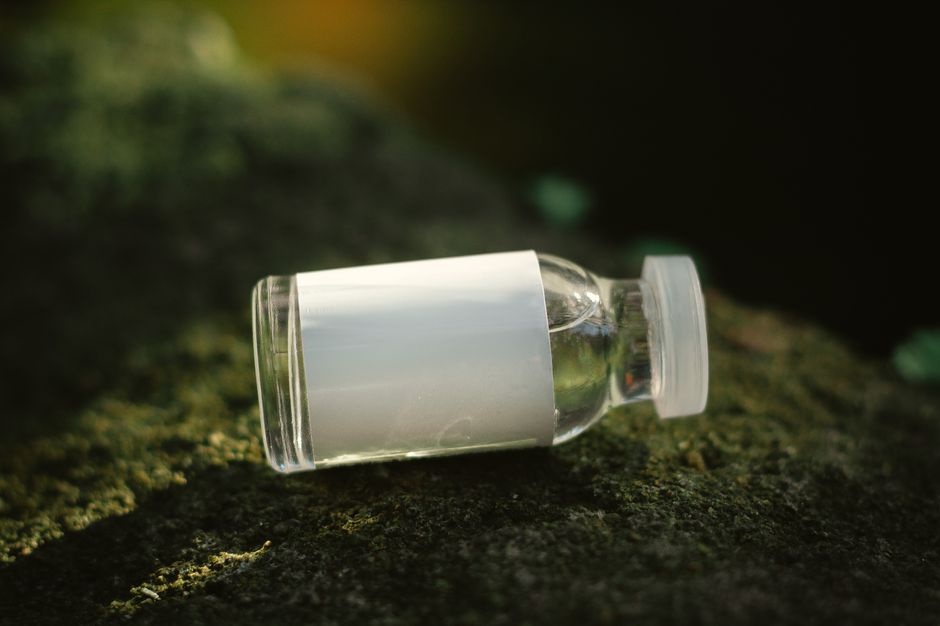
You're chasing marginal gains. You've optimized your training splits, nailed your nutrition timing, and invested in recovery tech that most athletes haven't heard of yet. But tissue damage, joint stress, and lingering injuries still slow you down. That's where BPC-157 peptide liquid enters the conversation. This regenerative peptide has exploded in popularity within the performance community over the last two years, and for good reason. But before you add it to your stack, you need to understand what the research actually shows, not just the hype.
Here's the honest truth: animal research on BPC-157 is genuinely impressive. Studies demonstrate significant potential for tendon, ligament, muscle, and bone healing through enhanced angiogenesis and improved fibroblast function. But human clinical evidence remains sparse. As an athlete who refuses to settle for average, you need to know that gap. That's why NinjAthlete focuses on translating what science currently validates into actionable protocol recommendations.
What BPC-157 Peptide Liquid Actually Does
BPC-157 stands for "Body Protection Compound-157." The peptide operates through multiple mechanisms that target tissue regeneration at the cellular level. Research shows it promotes healing by:
Related: Best BPC-157 Peptide for Tissue Repair 2026: Top 5 Ranked
- Enhancing new blood vessel formation (angiogenesis) to deliver oxygen and nutrients to damaged tissue
- Modulating the nitric oxide pathway, which improves vascular function and reduces inflammation
- Stimulating fibroblast activity to rebuild structural proteins in tendons, ligaments, and muscle
- Supporting gut barrier integrity and nutrient absorption
The liquid formulation offers faster absorption than powder versions and allows for precise dosing. You're looking at a peptide that athletes use specifically for joint recovery, tendon repair, and accelerating bounce-back after heavy training blocks or minor injury.
Related: Best Collagen Peptide Liquid for Athletic Recovery
Related: Best BPC-157 and TB-500 Peptide Blend for Injury Recovery
Related: Best BPC-157 Peptide Science for Athletic Recovery
Think of it this way: you wouldn't run a critical system without maintenance. BPC-157 liquid is marketed as part of your tissue maintenance stack, especially if you're dealing with accumulated wear from competitive training, HYROX racing, or high-volume strength work.
Current Research Status and What Changed in 2026
A significant regulatory shift happened in April 2026. The FDA removed BPC-157 from its restricted compounding list, which opened the door for more standardized production and sourcing. Simultaneously, the agency launched a formal review process to evaluate potential approval pathways. This doesn't mean BPC-157 is FDA-approved yet, but it signals movement toward legitimacy in the regulatory landscape.
Here's what you need to understand: animal models show BPC-157 works. Research databases like PubMed contain dozens of peer-reviewed studies demonstrating tissue regeneration benefits in rodent and canine models. But human randomized controlled trials remain limited. Most human data comes from small observational studies or case reports, not large-scale clinical trials.
That gap matters. It's why you should treat BPC-157 as a performance optimization tool grounded in plausible mechanism and animal evidence, not as a proven pharmaceutical intervention. Consult your healthcare provider before use, especially if you're on any medications or have pre-existing conditions.
BPC-157 Peptide Liquid for Athletes: Practical Applications
You're likely interested in BPC-157 for one of these specific scenarios:
- Joint and tendon recovery: ACromion impingement, patellar tendinopathy, plantar fasciitis, or rotator cuff stress
- Muscle damage management: Accelerating recovery from high-volume training phases or eccentric-focused work
- Gut health optimization: Improving intestinal barrier function and nutrient absorption to support overall recovery capacity
- General tissue regeneration: As part of a comprehensive longevity and tissue maintenance protocol
Within the competitive HYROX and endurance athlete community, BPC-157 liquid is often stacked alongside collagen peptide supplementation and amino acid protocols to create a synergistic tissue-support environment. The idea is that you're giving your body multiple signals and substrates to rebuild faster.
Dosing protocols typically range from 250-500 micrograms per day in divided doses, though you'll want to follow guidance from whoever formulates or prescribes your specific peptide. Liquid formulations allow you to titrate doses precisely, which is why many athletes prefer them over capsules or powders.
Quality, Safety, and What to Look For

Not all BPC-157 peptide liquid is created equal. Since this is still a relatively niche performance tool, sourcing matters enormously. Look for:
- Third-party lab testing and certificate of analysis (COA) documentation
- Peptide synthesis from reputable manufacturers with GMP compliance
- Clear labeling of peptide concentration and storage requirements
- Formulations in sterile, pharmaceutical-grade solvents (bacteriostatic water or saline solution)
- Transparency about sourcing and manufacturing origin
Avoid vendors making hyperbolic healing claims ("cures all injuries in 30 days") or offering suspiciously cheap pricing. Those are red flags for either impure peptides or outright misrepresentation.
Before ordering, understand your local legal status. BPC-157 sits in a gray zone in many regions. It's not controlled substance, but it's not formally approved for human consumption in most countries. Always verify compliance before purchase.
How BPC-157 Liquid Fits Into a Complete Recovery Protocol
Honest perspective: BPC-157 peptide liquid isn't a replacement for solid fundamentals. You still need sleep, you still need adequate protein, you still need structured programming. What it does is accelerate tissue adaptation when you're already executing the basics at elite level.
If you're serious about peptide therapy protocols and want research-backed guidance on how to integrate BPC-157 with other recovery modalities, NinjAthlete publishes detailed breakdowns of peptide stacking, dosing windows, and monitoring strategies tailored to competitive athletes.
Stack it with:
- Hydrolyzed collagen peptides (10-20g daily) for substrate availability
- Vitamin C and amino acids to support collagen synthesis
- Anti-inflammatory protocols (omega-3s, curcumin) to manage inflammation without suppressing adaptation
- Consistent resistance training to stimulate tissue remodeling
- Sleep optimization to maximize growth hormone and tissue repair windows
The synergy comes from addressing tissue healing at multiple angles simultaneously. BPC-157 sends a regenerative signal; collagen provides raw materials; sleep and training create the stimulus and recovery window.
Real-World Performance Gains: What Athletes Report
Anecdotal evidence from competitive athletes using BPC-157 peptide liquid points to reduced recovery time after high-stress training blocks and improved joint comfort during heavy loading phases. Many report noticing effects within 2-4 weeks of consistent use, though individual response varies significantly based on age, baseline tissue quality, and overall recovery capacity.
The performance community has largely embraced it as a legitimate tool within the regenerative peptide category, especially among athletes with a history of joint stress or chronic minor injuries. That said, these are athlete reports, not clinical outcome data. Your individual response depends on your specific physiology and injury status.
Where to Source Quality BPC-157 Peptide Liquid

Given the regulatory transition happening in 2026, sourcing is more accessible than it was two years ago, but quality variance remains high. Research vendors carefully. Look for:
- Established peptide compounding pharmacies with verifiable credentials
- Clear communication about testing and purity standards
- Customer reviews specifically mentioning recovery outcomes (not just "fast shipping")
- Responsive customer support for dosing and protocol questions
For athletes who want structured, evidence-based guidance on sourcing and integration, NinjAthlete's performance optimization guides include vendor vetting frameworks and protocol templates you can customize to your training phase and injury history.
Is BPC-157 peptide liquid legal?
BPC-157 is not a controlled substance in most Western countries. However, regulatory status varies by jurisdiction. In the U.S., the FDA removed it from the restricted compounding list in April 2026, which improved legal clarity. Always verify your local regulations before purchase. It's not approved as a pharmaceutical drug, but it's increasingly available through compounding pharmacies and research chemical suppliers. Check with a healthcare provider about your specific legal and medical status.
How long does BPC-157 peptide liquid take to work?
Most athlete reports indicate noticeable effects within 2-4 weeks of consistent daily use, though some see results within 7-10 days. This varies significantly based on your baseline tissue condition, age, overall recovery habits, and the specific injury you're targeting. Tendon and ligament healing typically follows a 6-12 week timeline, so plan for at least an 8-week protocol to assess true effectiveness.
Can you combine BPC-157 peptide liquid with other peptides?
Yes. Many athletes stack BPC-157 with other regenerative peptides like TB-500 or collagen peptides to target tissue healing from multiple angles. However, combining multiple research peptides increases complexity and potential for unwanted interactions. Always consult a healthcare provider before stacking multiple peptides, and start with single-peptide protocols to understand your individual response profile first.
What's the difference between BPC-157 liquid and powder?
Liquid formulations offer faster absorption, easier dosing precision, and no mixing required. Powder requires reconstitution in bacteriostatic water and slightly longer absorption time. Liquid is generally preferred by athletes who value dosing accuracy and faster bioavailability. However, liquid requires careful storage and has a shorter shelf life once reconstituted. Choose based on your preference for convenience versus long-term storage.