

How Specialized Mental Care Helps Athletes Perform Under Pressure
Elite mental care strategies for competitive athletes. Learn how to build focus, resilience, and emotional control when the pressure is highest. Expert guide.
Elite mental care strategies for competitive athletes. Learn how to build focus, resilience, and emotional control when the pressure is highest. Expert guide.

Athletic performance is often judged by physical ability, yet mental resilience frequently determines success when competition becomes intense.
High expectations, public scrutiny, and constant evaluation create psychological strain that can challenge even the most prepared athletes.
Pressure doesn't only arise during competitions—it builds through training cycles, recovery periods, and career transitions.
Without structured mental support, stress can quietly erode confidence, focus, and motivation.
Specialized mental care offers athletes structured tools to manage these demands while preserving long-term well-being.
This form of care recognizes that peak performance requires emotional balance as much as physical readiness.
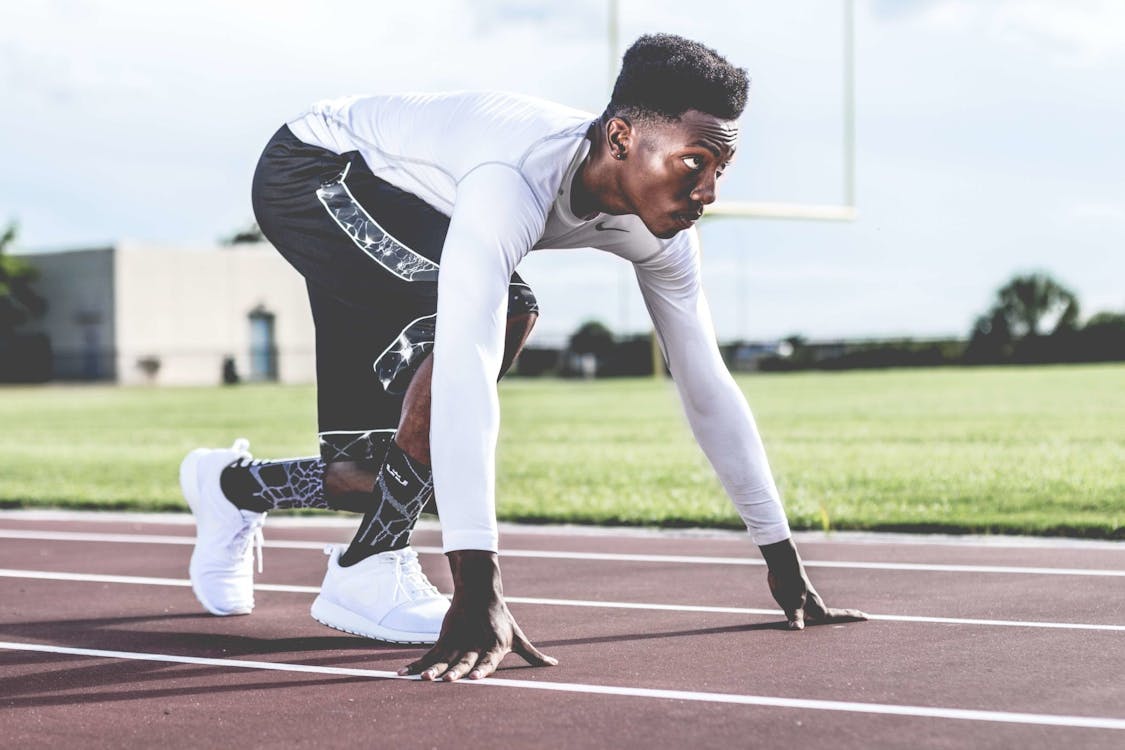
Performance pressure stems from multiple sources that interact in complex ways throughout an athlete's career. Expectations from coaches, teammates, sponsors, and audiences often combine with personal standards that athletes set for themselves.
These layers of expectation can intensify during pivotal moments such as championships, contract negotiations, or return-to-play scenarios after injury. Understanding how physical, mental, and spiritual health are related helps athletes see pressure management as holistic rather than isolated.
Pressure may sharpen focus for some individuals, yet for others it triggers self-doubt, tension, or avoidance behaviors that disrupt execution. Specialized mental care begins by identifying how pressure manifests differently for each athlete.
Rather than treating stress as a weakness, practitioners reframe it as a signal that requires skillful management. Athletes learn to recognize early cognitive and emotional signs of overload before performance deteriorates. This awareness supports better emotional regulation during demanding situations.

Working with professionals who understand elite performance environments enhances the effectiveness of mental care. Specialists who appreciate the urgency athletes feel when performance declines can provide care that respects both clinical standards and competitive realities.
Treatment plans can incorporate various interventions while remaining mindful of anti-doping regulations and performance considerations. Collaboration between mental health providers, coaches, and medical staff creates a coordinated support system.
Athletes benefit when care aligns with training loads rather than disrupting preparation. This integrated approach reduces stigma and normalizes mental health support within athletic culture. For insights on developing mental toughness, explore how to callus your mind—a concept that bridges psychological training with physical discipline.

Resilience in sport reflects the capacity to recover from mistakes, losses, and unexpected challenges without prolonged disruption. Specialized mental care fosters resilience by strengthening coping mechanisms that athletes can rely on during adversity.
Rather than suppressing difficult emotions, athletes learn how to process them constructively. This approach reduces emotional volatility and supports steadier performance across varying conditions. The same principle applies to mental fortitude—it's built through practice, not born overnight.
Resilience training emphasizes adaptability, helping athletes adjust strategies when plans change unexpectedly. Mental care sessions often reinforce self-compassion, which counters harsh self-criticism that undermines confidence.
Athletes practicing resilience skills tend to maintain engagement even during difficult phases of their careers. With consistent care, resilience becomes an ingrained response rather than a forced effort. This foundation allows athletes to remain competitive while protecting their mental health.

While traditional mental training focuses on psychological techniques, emerging research shows certain peptides can support the biological foundations of mental performance. Athletes seeking to optimize cognitive function alongside physical performance are increasingly exploring these compounds.
Sermorelin and Ipamorelin support natural growth hormone release, which influences sleep quality—a critical factor for mental clarity and emotional regulation. Poor sleep degrades decision-making and increases stress reactivity, making GH-supporting peptides relevant for mental performance.
Quality sleep is when the brain consolidates learning and memory. Athletes who optimize their sleep through proper recovery protocols often report improved reaction times, better strategic thinking, and enhanced emotional stability under pressure.
MOTs-C has emerged as a particularly interesting compound for metabolic function and cellular energy production. At the mitochondrial level, this peptide supports the energy systems that power both physical and cognitive performance.
For comprehensive cognitive and physical support, the Biohacker's Stack combines growth-promoting peptides with compounds that support overall vitality—an approach that mirrors the integrated nature of mental and physical performance.
Support your cognitive function and recovery with research-grade peptides designed for serious athletes and biohackers.
Explore the Biohacker's Stack →High-pressure moments demand rapid decisions that can define outcomes. Stress narrows attention and disrupts cognitive processing, making errors more likely when focus falters.
Specialized mental care trains athletes to regulate physiological responses that interfere with concentration. Breathing techniques, visualization, and attentional control exercises support mental clarity during intense moments. The anterior midcingulate cortex plays a crucial role in this process—it's the brain region associated with willpower and persistence under difficulty.
Athletes practice shifting attention back to controllable factors rather than external distractions. This training improves consistency during competitions where unpredictability is unavoidable. Decision-making benefits when athletes remain mentally present rather than reacting impulsively.
Mental care reinforces routines that anchor focus before and during performance. As these skills strengthen, athletes report greater confidence in their ability to execute under pressure. Programs like HYROX training naturally build this capacity by combining physical and mental challenges.
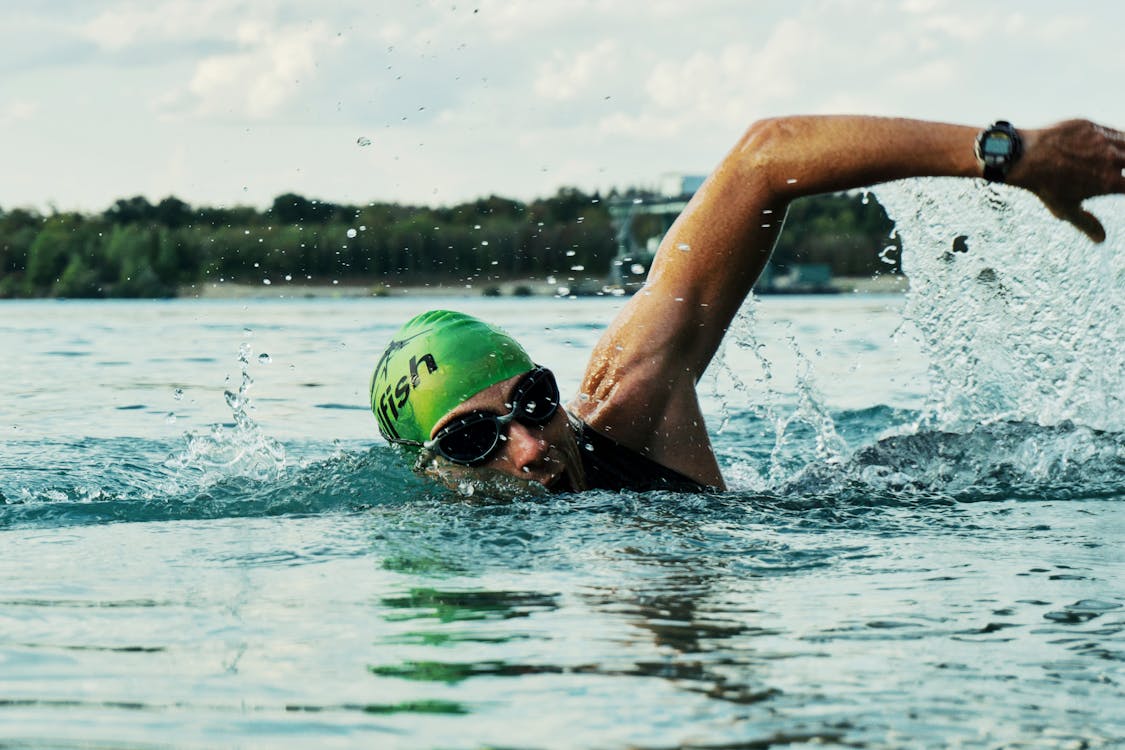
Athletic identity often becomes tightly linked to performance outcomes, creating vulnerability when results fall short. Specialized mental care helps athletes separate self-worth from wins and losses.
This distinction supports emotional balance during both success and disappointment. Athletes learn to view performance feedback as information rather than personal judgment. Carol Dweck's growth mindset principles apply directly here—treating challenges as opportunities rather than threats.
Emotional regulation skills reduce the intensity of reactions after mistakes or setbacks. Balanced athletes are better positioned to learn from experiences rather than becoming discouraged. Mental care addresses transitions such as injury recovery or retirement, which can challenge identity stability.
By nurturing a broader sense of self, athletes maintain motivation without excessive emotional swings. This stability contributes to sustainable performance across seasons.

Specialized mental care focuses on practical skills that athletes apply directly to training and competition. These competencies evolve through practice rather than one-time interventions.
Athletes who commit to skill development report greater autonomy in managing pressure. The emphasis on application ensures that mental care translates into performance benefits. These skills become automatic responses during competition—similar to how discipline becomes a trained response rather than a daily struggle.
This progression supports long-term success while protecting psychological well-being.
Sustained athletic success requires more than short bursts of peak performance. Careers unfold across years marked by physical strain, competition cycles, and evolving expectations.
Specialized mental care supports longevity by addressing burnout risk before it escalates. Athletes learn to recognize when rest, adjustment, or support is needed. Understanding why goal setting is important helps structure long-term career planning alongside immediate performance targets.
Mental care encourages realistic goal-setting that adapts as circumstances change. Athletes supported psychologically are more likely to maintain passion for their sport. Career satisfaction increases when mental health is prioritized alongside results.
Combine mental training with physical recovery optimization. Consider how recovery peptides can support the biological foundations of resilience—reduced inflammation and faster tissue repair mean less physical stress competing for your mental resources.
This balance supports smoother transitions during later career stages. For female athletes specifically, motivational resources tailored to your experience can provide additional support for the unique pressures women face in competitive sports.

Specialized mental care plays an important role in helping athletes navigate the psychological demands of high-pressure environments. By addressing focus, resilience, emotional balance, and identity, this care strengthens performance from the inside out.
Athletes gain tools that support both competitive success and personal well-being. Mental care tailored to sport acknowledges the intensity of athletic life while offering practical strategies for growth. With consistent support—both psychological and physiological through optimized recovery—pressure becomes a challenge to manage rather than a force to fear.
Performance anxiety stems from multiple sources: expectations from coaches, teammates, sponsors, and audiences combined with personal standards athletes set for themselves. These layers intensify during pivotal moments like championships, contract negotiations, or return-to-play scenarios after injury.
Mental training improves athletic performance by teaching athletes to regulate physiological responses that interfere with concentration. Techniques like breathing exercises, visualization, and attentional control support mental clarity during intense moments and improve decision-making under stress.
Yes, certain peptides support cognitive function and stress response. Compounds like Sermorelin and Ipamorelin support growth hormone release which influences sleep quality, recovery, and mental sharpness. MOTs-C has shown promise for metabolic function and cellular energy, which can impact focus and mental endurance.
Athletes develop emotional regulation techniques, cognitive reframing skills, stress management strategies, attention control methods, and communication skills. These competencies evolve through practice and become automatic responses during competition.
Resilience training strengthens coping mechanisms athletes rely on during adversity. Rather than suppressing difficult emotions, athletes learn to process them constructively. This reduces emotional volatility and supports steadier performance across varying conditions.
Your cart is currently empty.
Start Shopping