What Does Kaizen Mean? The Philosophy That Builds Champions
Kaizen (改善) — the Japanese philosophy of continuous improvement. Small daily gains that compound into extraordinary athletic performance. This is how 1% becomes 3,700%.
Origin & Meaning of Kaizen
Kaizen (改善) is composed of two kanji characters: 改 (kai) meaning "change" and 善 (zen) meaning "good" or "virtue." Together: change for the better.
While the word existed in Japanese long before its industrial adoption, Kaizen as a management philosophy was formalized at Toyota in the 1950s under Taiichi Ohno's production system. The principle was radical in its simplicity: instead of waiting for breakthrough innovations, improve every small process by 1% — every day, every worker, every level of the organization.
Toyota went from a struggling post-war manufacturer to the world's most efficient automaker. Not through revolution — through relentless, incremental evolution.
The 5 Core Principles of Kaizen
Know Your Customer
In athletics, your "customer" is your future self. Every decision — what you eat, how you train, when you sleep — is a product you're delivering to the version of you competing next month.
Let It Flow
Eliminate waste — wasted reps, wasted recovery time, wasted mental energy. Smooth, efficient processes beat chaotic effort. Train smarter, not just harder.
Go to Gemba
"Gemba" means "the actual place." Don't theorize from your couch — get to the gym, the track, the mat. Real improvement happens where the work happens.
Empower People
In team settings, every member — from the newest athlete to the head coach — should be empowered to suggest improvements. The best ideas often come from the trenches.
Be Transparent
Track everything. Log workouts, meals, sleep, mood. Data removes ego from the equation and lets reality guide your improvements.
The Math: Why 1% Matters
This is the mathematical argument for Kaizen — and it's staggering:
1.01365 = 37.78 — Improving 1% daily makes you nearly 38 times better in a year.
0.99365 = 0.03 — Declining 1% daily leaves you with almost nothing. The asymmetry is what makes Kaizen so powerful. The cost of regression is far greater than the effort of small improvement.
Kaizen Applied to Athletic Training
Here's how Kaizen principles translate directly to training, recovery, and competition:
| Training Area | Kaizen Approach | Example 1% Improvement |
|---|---|---|
| Strength | Progressive overload — add the smallest increment possible | Add 2.5 lbs to your squat this week. Repeat 40 times = +100 lbs in a year. |
| Endurance | Gradual volume increase — the 10% rule | Run 1 minute longer each session. 52 weeks = nearly an extra hour of running capacity. |
| Technique | Focus on one cue per session | Today: keep elbows in on bench press. Tomorrow: improve hip hinge on deadlift. |
| Recovery | Optimize one variable at a time | This week: add 10 min of stretching. Next: improve sleep by 15 min. |
| Nutrition | One meal upgrade per week | Replace one fast food lunch with a meal-prepped alternative. Small. Sustainable. |
| Mental | 5 minutes of daily visualization or journaling | Review today's session: what went well? What's one thing to improve tomorrow? |
The Daily Kaizen Practice
Morning Intention
Before training, ask: "What is the ONE thing I will improve today?" Write it down. Be specific. Not "train harder" — instead: "Keep core braced on all overhead presses."
Evening Reflection
After your day, spend 5 minutes journaling: Did I execute the improvement? What did I learn? What will I improve tomorrow? This reflection loop is the engine of Kaizen.
Weekly Review
Every Sunday, review the week's improvements. Which stuck? Which didn't? Adjust. This is the PDCA cycle (Plan-Do-Check-Act) — Kaizen's operational framework.
Kaizen vs. Kaikaku: Incremental vs. Radical Change
| Dimension | Kaizen (Continuous) | Kaikaku (Radical) |
|---|---|---|
| Change Size | Small, incremental | Large, disruptive |
| Risk | Low | High |
| Sustainability | Highly sustainable | Often unsustainable |
| Training Example | Adding 2.5 lbs per week | Switching to a completely new program |
| When to Use | Always — as your default operating system | When stuck at a plateau or current process is fundamentally broken |
| Failure Rate | Low — each change is small enough to recover from | High — overhauls often fail due to too many variables changing |
Default to Kaizen. Reserve Kaikaku for genuine plateaus lasting 6+ weeks despite consistent effort. Most athletes who think they need a radical change just need more patience with incremental improvement.
Kaizen in Elite Athletics
Team Sky / British Cycling
Dave Brailsford's "aggregation of marginal gains" — optimizing pillows, hand-washing technique, tire pressure, even mattress firmness — led to British Cycling's dominance and multiple Tour de France victories. Pure Kaizen.
The New Zealand All Blacks
"Better never stops" — the All Blacks' internal motto. Despite being the most successful rugby team in history (77%+ win rate over 100+ years), they obsessively refine every aspect of preparation, training, and culture.
Eliud Kipchoge
The marathon world record holder runs the same route, with the same team, making micro-adjustments to pace, nutrition, and shoe technology year after year. He didn't revolutionize marathon running — he Kaizen'd it.
Frequently Asked Questions
Start Your Kaizen Journey
What's the ONE thing you can improve by 1% today?
Explore More Mindset Articles
YOUR POST-TRAINING ROUTINE
Make room for recovery.
Get to know Bimini’s warm-water nanobubble system. Compare home options and see how the setup fits your routine.
Bimini NanoJet® Eco
$9,650.00$8,685.00
With NINJA • Before shipping and tax. Final offer confirmed by Bimini.
Partner offer: Daniel Rivas, NinjAthlete’s founder, is Bimini’s marketing director. NinjAthlete may earn a commission from purchases through these links.
Was this article helpful?
AI Picks For You
AI Curated



Recommended Reading
 MotivationTop Match
How to Callus Your Mind: Building Unbreakable Mental Toughness
Callousing your mind means deliberately exposing yourself to discomfort until hardship becomes your default setting. Here's the practical framework for doing it.
 MotivationTop Match
Andrew Tate's Motivational Quotes: Discipline, Hustle, and Controversy
Love him or hate him, Andrew Tate's quotes on discipline, work ethic, and mental toughness have resonated with millions. Here are his most impactful words.
 MotivationTop Match
How to Build a Warrior Mindset: The Complete Guide
A warrior mindset combines mental toughness, strategic thinking, and unwavering discipline. Here is the framework used by special forces, elite athletes, and peak performers.
 Mindset
Famous Stoics
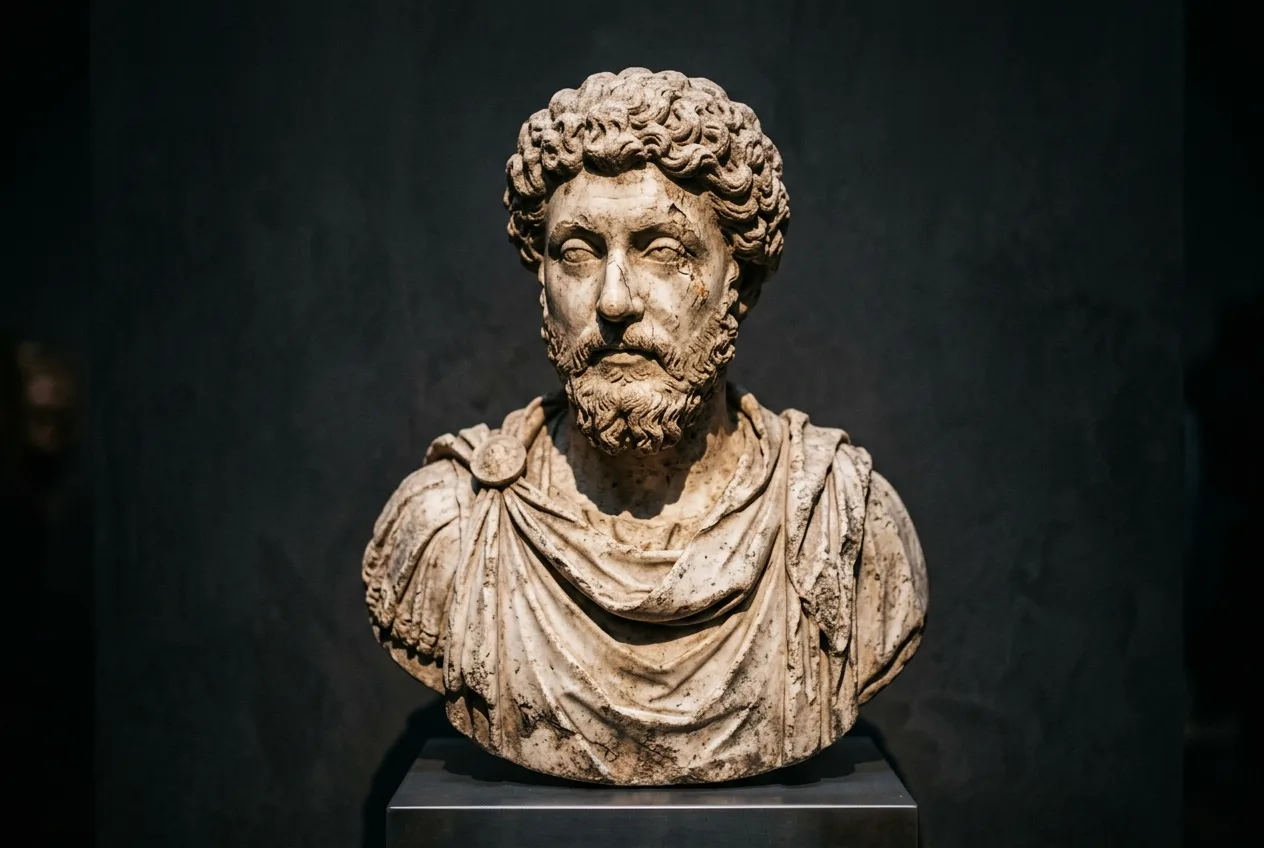
The philosophy of Stoicism has shaped the world for centuries, offering guidance and wisdom on how to live a good life regardless of external circumstances.
 Mindset
Mental Fortitude Quotes
The mind is a powerful tool. It can drive us to achieve great things, confront challenges head-on, and even overcome seemingly insurmountable odds.
 Mindset
Mental Toughness Quotes To Guide You
Our minds can be our most powerful allies or our most crippling adversaries. The thoughts we entertain shape our realities, fortify our resilience, and dictate our paths.