What Is NAD IV Therapy?
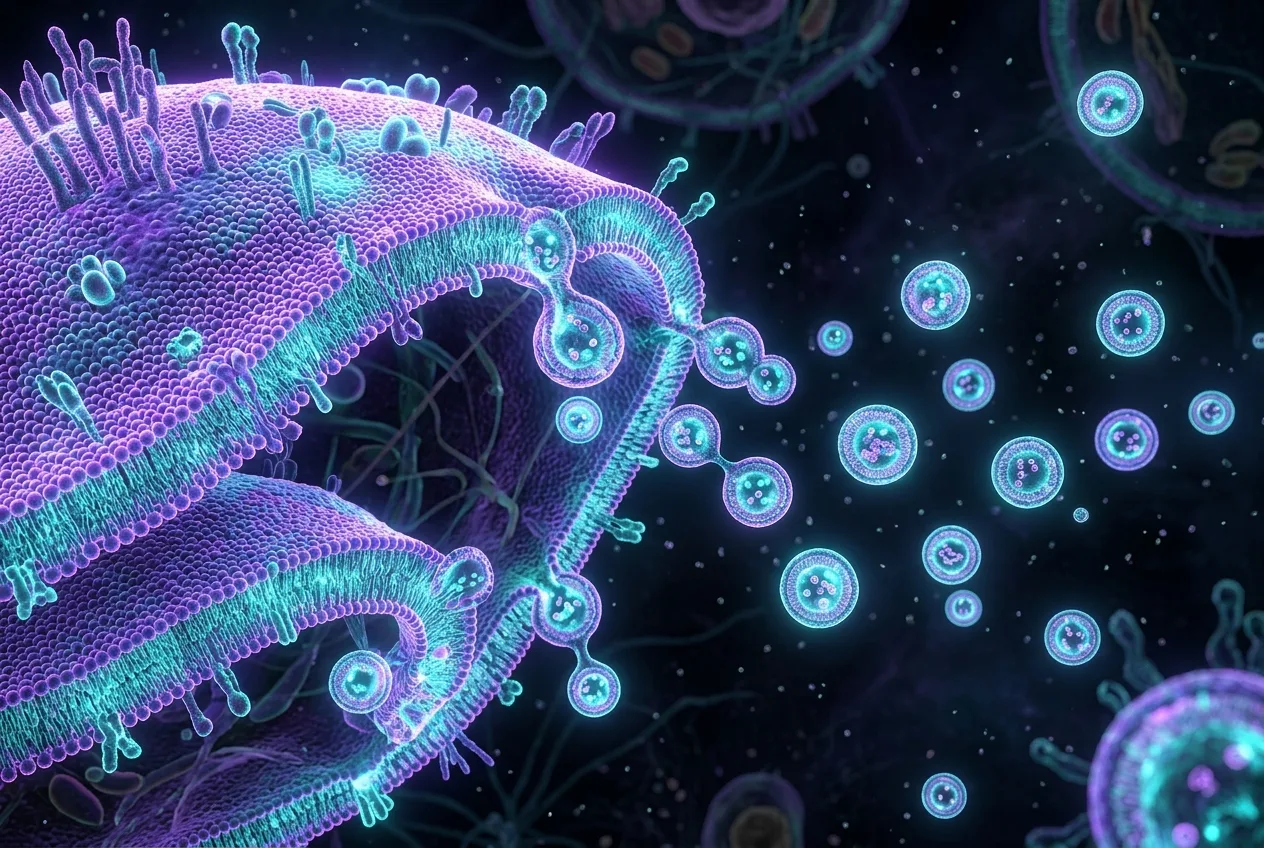
NAD (nicotinamide adenine dinucleotide) is a coenzyme present in every living cell. It plays critical roles in energy metabolism, DNA repair, gene expression, and cellular signaling. NAD levels naturally decline with age, and this decline is associated with metabolic dysfunction, cognitive decline, and accelerated aging.
Quick Answer: NAD IV therapy delivers nicotinamide adenine dinucleotide directly into the bloodstream to bypass digestive breakdown. It is generally safe when administered clinically, with common side effects being nausea and discomfort during infusion. Benefits may include improved energy, cognitive clarity, and cellular repair, though large-scale human trials are still limited.
Key Takeaways
- NAD is essential for cellular energy production, DNA repair, and gene regulation
- NAD levels decline significantly with age
- IV delivery bypasses digestive breakdown for higher bioavailability
- Common side effects are manageable (nausea, cramping, chest tightness)
- Cost is significant ($500-1,500 per session)
- Oral NAD precursors (NMN, NR) are more affordable alternatives
How NAD IV Therapy Works
When NAD is delivered intravenously, it enters the bloodstream directly, bypassing the digestive system where oral supplements would be partially broken down. This delivers a higher concentration of NAD to cells throughout the body.
Once in your cells, NAD:
- Fuels mitochondrial energy production (ATP synthesis)
- Activates sirtuins — longevity-related enzymes involved in DNA repair and inflammation regulation
- Supports PARP enzymes — critical for DNA damage repair
- Regulates circadian rhythm and cellular stress responses
Safety Profile
Common Side Effects (During Infusion)
- Nausea or stomach discomfort
- Abdominal cramping
- Chest tightness or pressure
- Headache
- Brain fog (paradoxically, in the short term)
Serious Adverse Events
Serious adverse events from NAD IV therapy are rare in the published literature and clinical reports. However, any IV therapy carries inherent risks including infection at the injection site, vein irritation, and allergic reactions.Who Should Avoid NAD IV Therapy
- Pregnant or breastfeeding women
- Individuals with active cancer (NAD's effect on cancer cells is debated)
- People with uncontrolled cardiovascular conditions
- Anyone not under the supervision of a licensed medical provider
The Evidence Landscape
Animal studies on NAD repletion are impressive — increased lifespan, improved metabolic function, enhanced cognitive performance, and better DNA repair. Human evidence is growing but still limited:
- A 2020 study showed oral NMN (an NAD precursor) safely increased NAD levels in humans
- Small clinical trials report subjective improvements in energy and cognitive function after NAD IV infusions
- Large-scale, placebo-controlled trials specifically on NAD IV therapy are still needed
NAD IV vs. Oral Precursors (NMN, NR)
| Factor | NAD IV | Oral NMN/NR |
|---|---|---|
| Bioavailability | Very high (direct bloodstream) | Moderate (some digestive breakdown) |
| Cost | $500-1,500/session | $30-100/month |
| Convenience | Clinic visit, 2-4 hours | Daily pill or powder |
| Evidence | Limited human trials | Growing human evidence |
| Accessibility | Requires clinic | Available over-the-counter |
The Bottom Line
NAD IV therapy is generally safe and may offer meaningful benefits for energy, cognition, and cellular repair. However, it is expensive, time-intensive, and the human evidence base is still developing. For most biohackers, starting with oral NAD precursors (NMN or NR) is the pragmatic first step. Reserve NAD IV therapy for loading phases, acute recovery needs, or when oral supplementation does not produce desired results.

![GHK-Cu Copper Peptide: The Complete Master Class Guide [2026]](https://images.unsplash.com/photo-1532187863486-abf9dbad1b69?w=1200)