The Testosterone Question
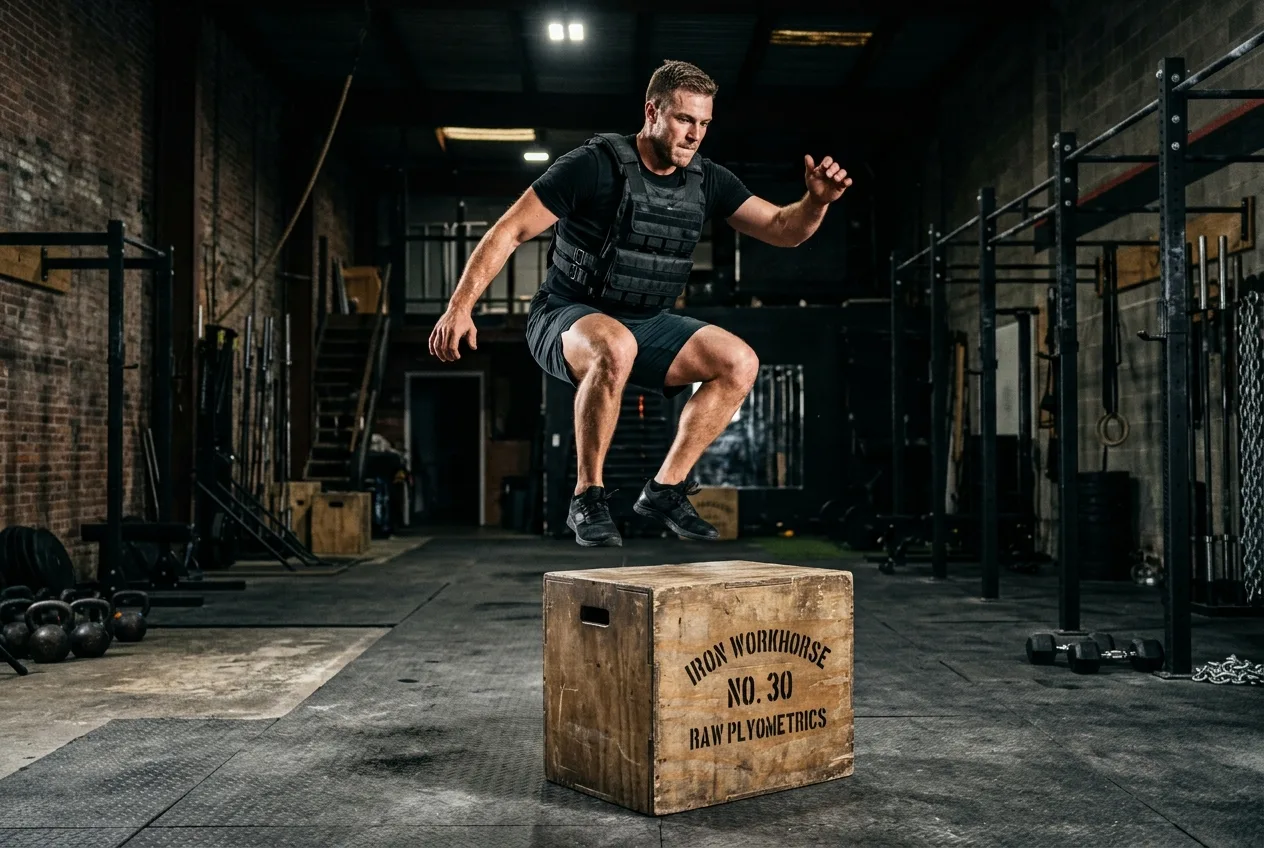
Every fitness enthusiast wants to optimize their hormonal profile naturally. HIIT (High-Intensity Interval Training) is frequently cited as a testosterone booster, but the relationship is more nuanced than most articles suggest.
Quick Answer: HIIT does temporarily increase testosterone levels by 15-30% post-session. However, the effect is acute (lasting 30-60 minutes), depends on session intensity and duration, and can reverse with overtraining. Heavy resistance training produces larger testosterone responses. The optimal strategy combines both modalities with adequate recovery.
Key Takeaways
- HIIT produces acute testosterone increases of 15-30% post-workout
- The boost is temporary (30-60 minutes) and magnitude depends on intensity
- Overtraining with HIIT increases cortisol and suppresses testosterone
- Heavy compound lifts (squats, deadlifts) produce the largest testosterone response
- Sleep, nutrition, and recovery are more important than any single workout protocol
What the Research Shows
Acute Effects
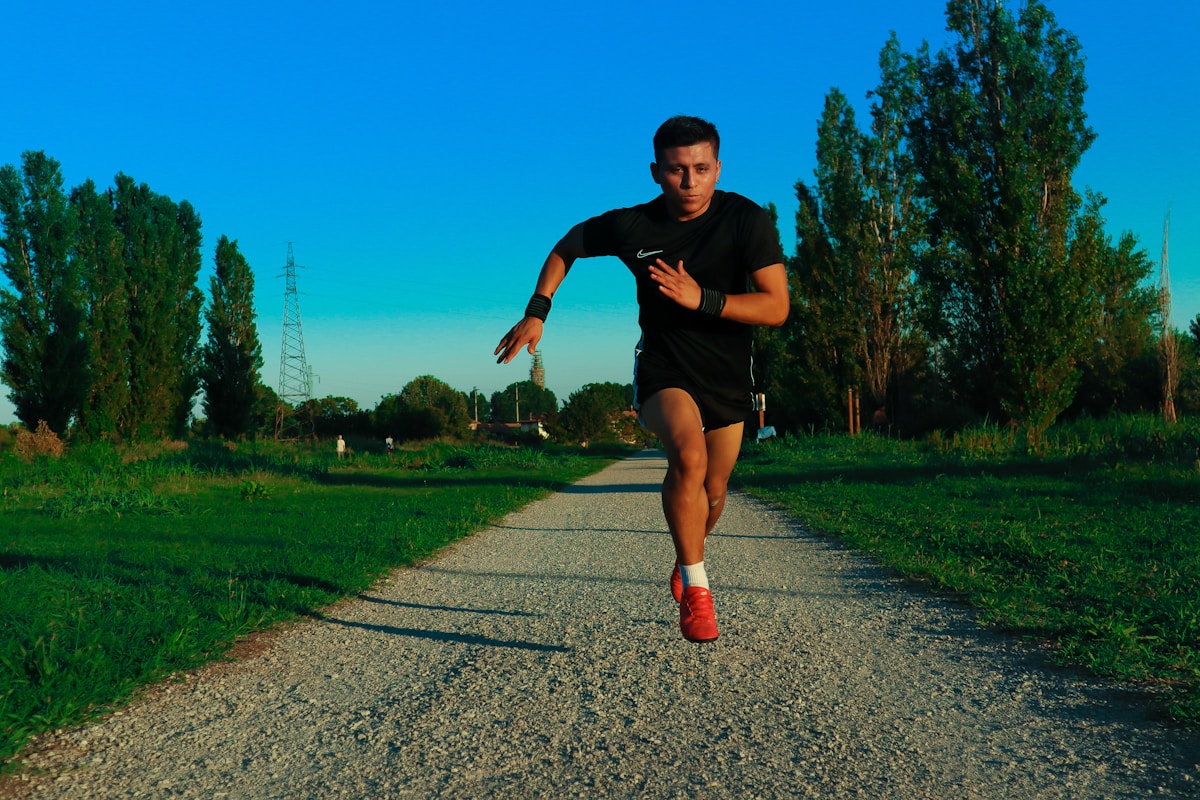
A 2012 study in the Journal of Strength and Conditioning Research found that sprint intervals (30-second all-out efforts with 4-minute recovery) significantly increased total testosterone and free testosterone immediately post-exercise. The increase peaked within 15-30 minutes and returned to baseline within 60 minutes.Chronic Effects
A 2017 systematic review found that moderate-volume HIIT (2-3 sessions per week) supported healthy testosterone levels over time. However, high-volume HIIT (daily sessions or sessions exceeding 45 minutes) was associated with elevated cortisol and suppressed testosterone — a state known as overreaching.Comparison to Resistance Training
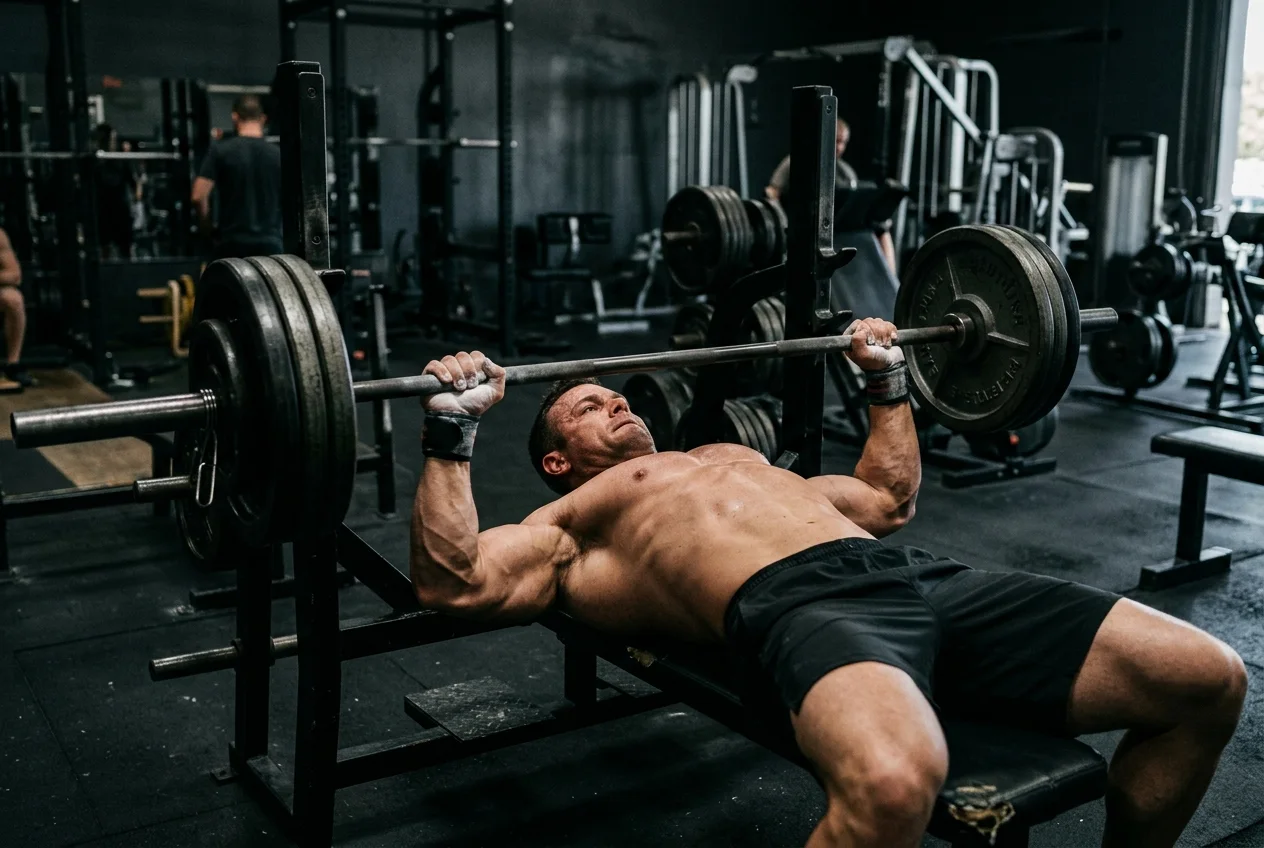
Heavy compound resistance training (squat, deadlift, bench press at 70-85% 1RM) consistently produces the largest acute testosterone responses in research. HIIT produces a meaningful but smaller hormonal response.The Overtraining Trap
The biggest risk with HIIT and testosterone is doing too much. High-intensity training is a powerful stress signal. In moderation, it triggers adaptive hormonal responses. In excess, it becomes chronic stress that elevates cortisol and suppresses testosterone.
Warning signs of overtraining:- Persistent fatigue
- Declining performance despite continued training
- Poor sleep quality
- Decreased libido
- Mood disturbances
Optimal HIIT Protocol for Hormone Health
| Parameter | Recommendation |
|---|---|
| Frequency | 2-3 sessions per week |
| Duration | 20-30 minutes per session |
| Intensity | 85-95% max heart rate during work intervals |
| Work:Rest ratio | 1:2 to 1:3 (e.g., 30 sec work : 60-90 sec rest) |
| Recovery | 48+ hours between HIIT sessions |
Beyond HIIT: Total Testosterone Strategy
HIIT is one tool in a larger hormonal optimization strategy:
The Bottom Line
HIIT does increase testosterone — acutely and meaningfully. But it is not a magic bullet, and overdoing it can backfire. The optimal approach is moderate-frequency HIIT combined with heavy resistance training, sufficient sleep, and proper nutrition. Train hard, recover harder, and let your hormones respond to the signal.